
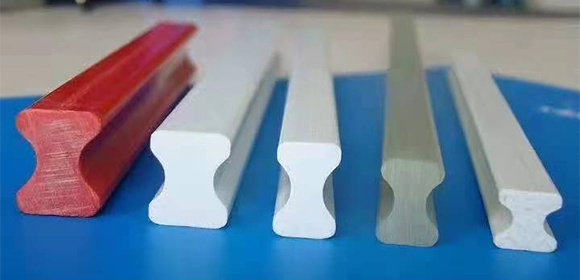
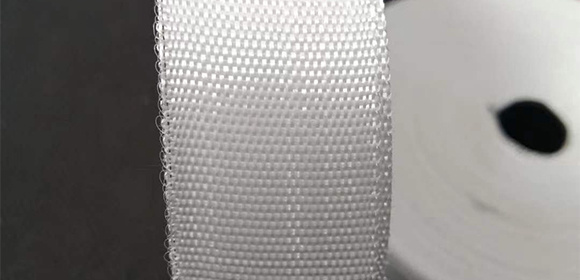
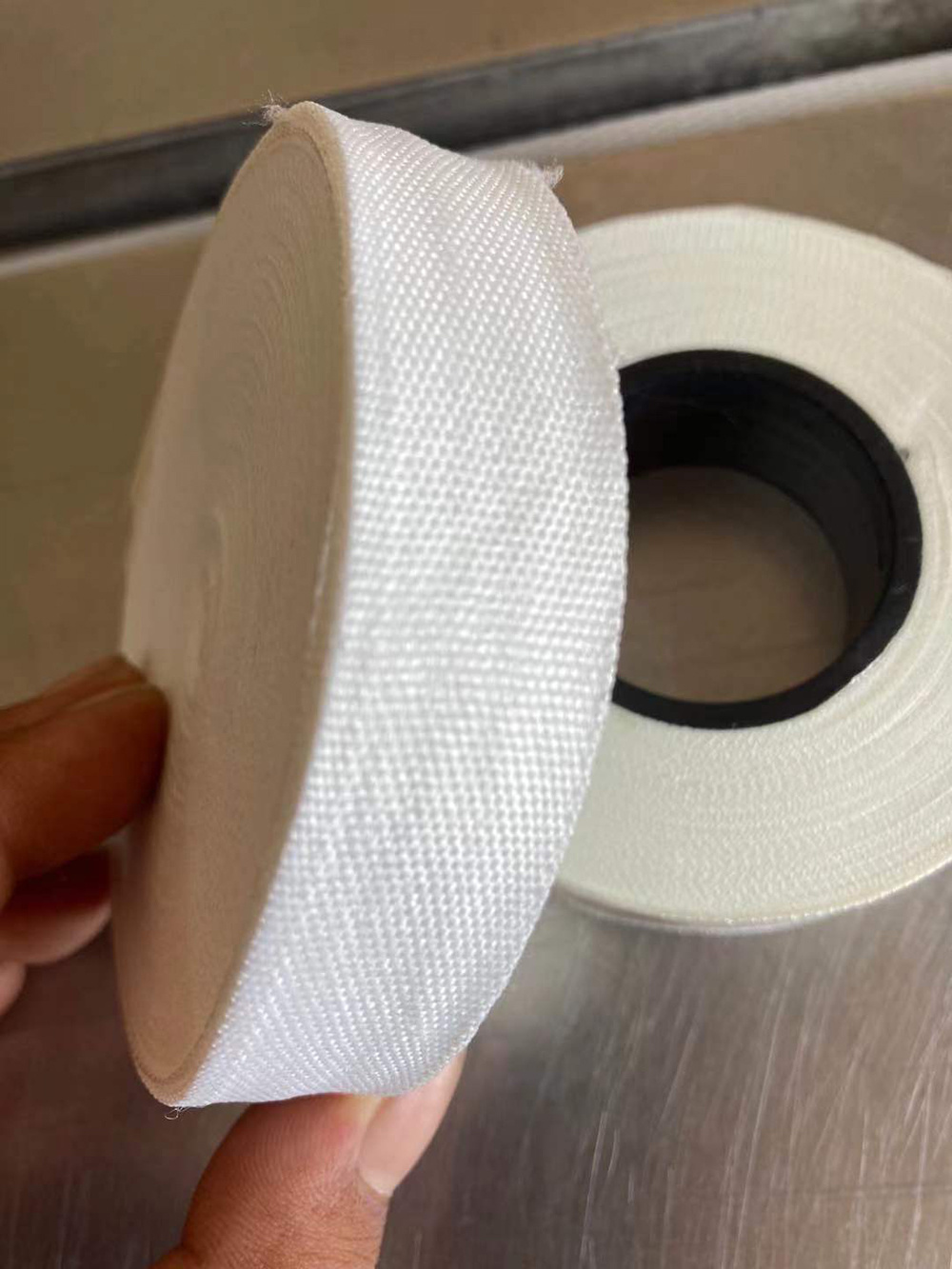
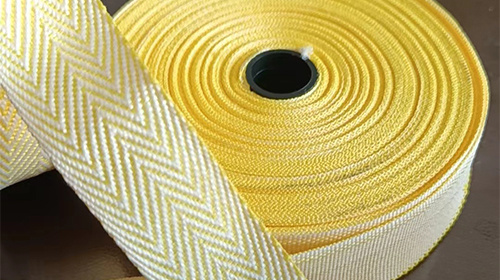
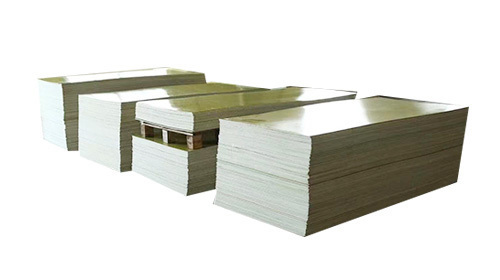
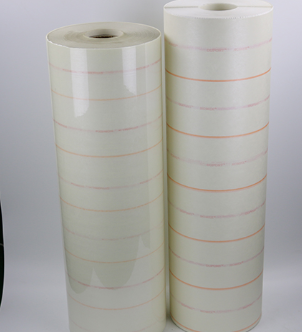
6520 Fish paper composite material

In terms of heat resistance, the 6520 fish paper composite material also shows great potential. It can tolerate relatively high temperatures without significant deformation or degradation. This makes it a viable option for applications in environments where heat is a factor, such as in some industrial machinery or in the automotive industry. In automotive engines, for instance, components need to be able to function under high - temperature conditions, and this composite material could potentially be used to insulate or protect certain parts.
The 6520 fish paper composite material also has good chemical resistance. It can resist the corrosive effects of various chemicals, which is important in industries where exposure to different substances is common. For example, in the chemical processing industry, pipes and containers may need to be lined with materials that can withstand the chemicals being processed. This composite material could be a candidate for such applications, protecting the underlying structures from chemical damage.
Another advantage of the 6520 fish paper composite material is its flexibility in manufacturing processes. It can be molded, cut, and shaped into different forms according to the specific requirements of the end - use. This allows for greater design freedom and customization in product development. Manufacturers can create complex geometries and structures using this composite material, enabling innovative solutions in various fields.
From an environmental perspective, the use of fish paper as a base material in the composite has certain benefits. Fish paper is often made from renewable cellulose sources, which is more sustainable compared to some synthetic materials. As the demand for environmentally friendly materials grows, the 6520 fish paper composite material could find increased use as a greener alternative in different industries.
However, there are also some challenges associated with the 6520 fish paper composite material. One challenge is cost. The production process of the composite material, including the treatment of fish paper and the combination with other components, may be relatively expensive compared to some traditional materials. This could limit its widespread adoption, especially in cost - sensitive applications. Another challenge is the need for further research and development to optimize its properties. While it has shown promise in many areas, there may be room for improvement in terms of its performance in extreme conditions or its compatibility with other materials in more complex systems.
In conclusion, the 6520 fish paper composite material is a material with great potential. Its combination of mechanical strength, heat resistance, chemical resistance, and manufacturing flexibility makes it an interesting option for a variety of industries. Although there are challenges to overcome, continued research and innovation are likely to lead to increased utilization of this composite material in the future.


Phone/WhatsApp:
Email:
About Us
We firmly believe that by working together with global partners, we can jointly create a bright future for the electrical insulation materials industry.


Leave Message
If you have any queries about us or our product(s), feel free to drop us a message.