
Why Fiberglass Tape is Essential for Electrical Insulation: A Comprehensive Guide
Why Fiberglass Tape is Essential for Electrical Insulation
Fiberglass tape is an often-overlooked yet indispensable material in the sphere of electrical insulation. When it comes to safeguarding electrical components and ensuring the efficient functioning of various devices, using the right insulation is crucial. In this extensive guide, we will delve into the fundamental role of fiberglass tape,
Why Fiberglass Tape is Essential for Electrical Insulation
Fiberglass tape is an often-overlooked yet indispensable material in the sphere of electrical insulation. When it comes to safeguarding electrical components and ensuring the efficient functioning of various devices, using the right insulation is crucial. In this extensive guide, we will delve into the fundamental role of fiberglass tape, exploring its unique properties, applications, and benefits that make it a preferred choice for professionals and DIY enthusiasts alike.
Understanding Fiberglass Tape
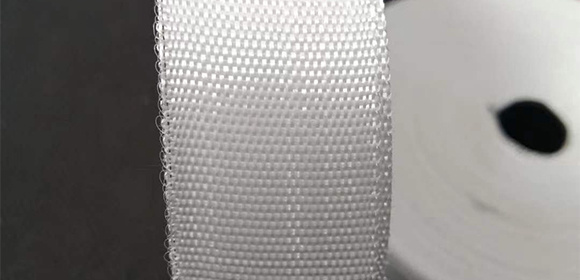
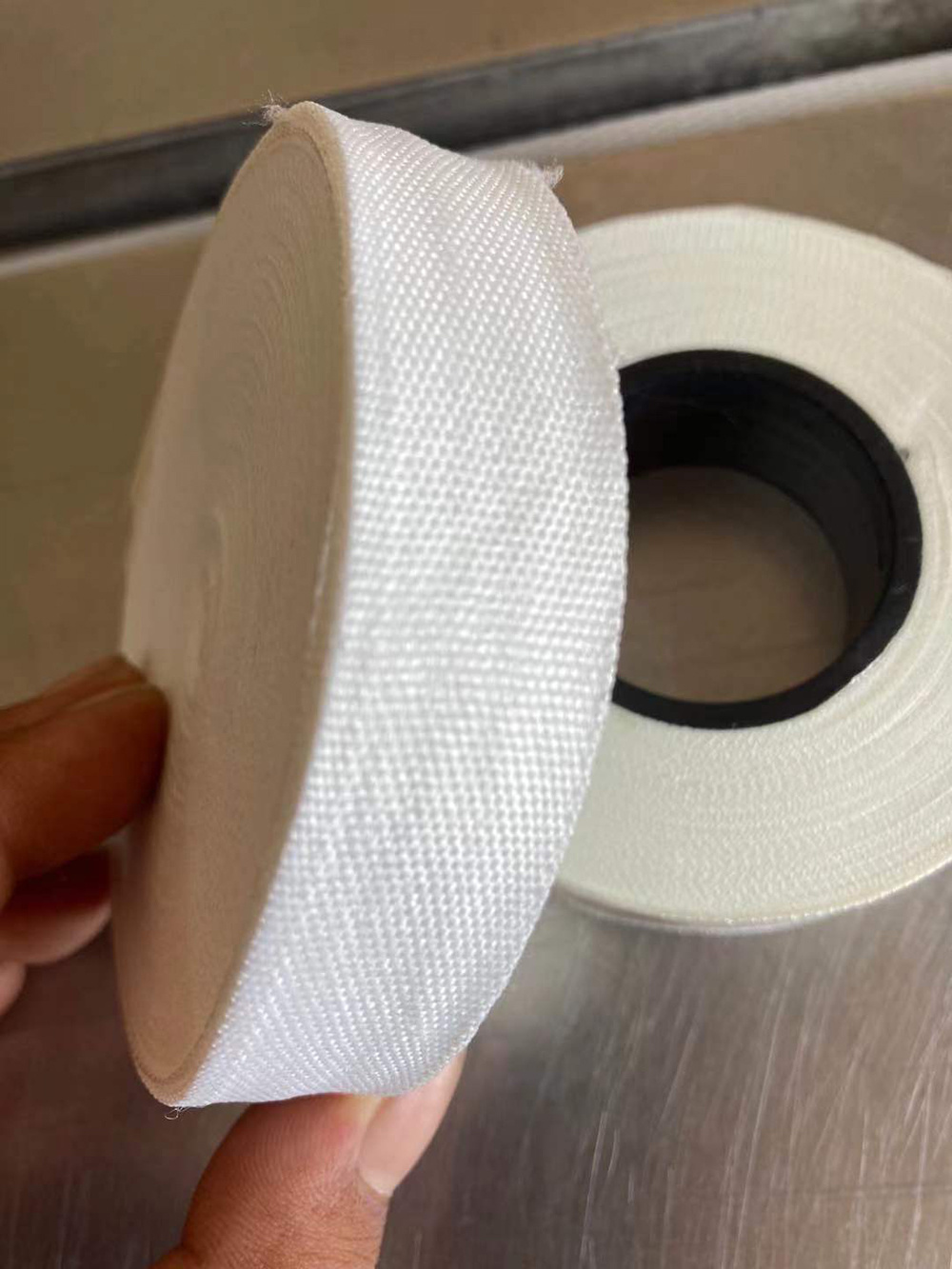
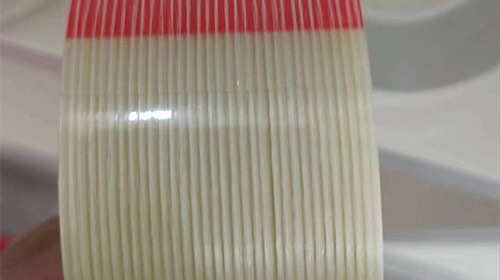
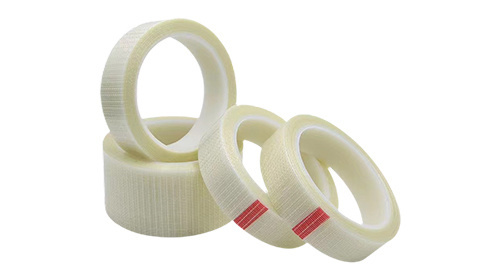
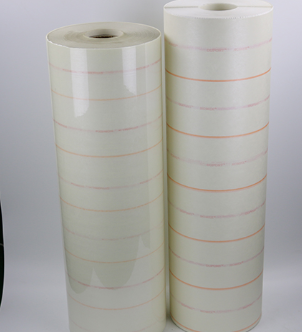
Fiberglass tape is a versatile insulating material made from woven fiberglass filaments. Known for its high tensile strength and ability to withstand extreme temperatures, this tape serves as a reliable option for insulating electrical connections and components.
The Composition of Fiberglass Tape
Fiberglass tape typically consists of:
- **Glass fibers**: These form the core of the tape, providing strength and durability.
- **Silicone or epoxy resin**: This coating enhances the tape's electrical insulating properties and resistance to moisture and chemicals.
- **Adhesive backing**: This feature allows for easy application and ensures the tape sticks securely to surfaces.
Key Properties of Fiberglass Tape
When evaluating materials for electrical insulation, several properties make fiberglass tape stand out:
- **High dielectric strength**: This property ensures that the tape can effectively prevent electrical currents from leaking.
- **Heat resistance**: Fiberglass tape can withstand temperatures ranging from -40°C to 260°C (-40°F to 500°F), making it suitable for high-temperature applications.
- **Chemical resistance**: It is resistant to various chemicals, making it ideal for use in industrial environments.
- **Mechanical strength**: The woven structure provides excellent tensile strength, enabling it to endure stress without breaking.
The Importance of Electrical Insulation
Proper electrical insulation is critical for several reasons:
Safety First
Electrical insulation prevents accidental shocks and short circuits, protecting both individuals and equipment. Without adequate insulation, exposed wires can pose serious safety hazards.
Efficiency and Performance
Effective insulation minimizes energy loss, ensuring that electrical devices operate at peak efficiency. By preventing leaks and short circuits, fiberglass tape contributes to the overall performance of electrical systems.
Longevity of Electrical Components
Good insulation can prolong the lifespan of electrical components. By preventing moisture and contaminants from penetrating connections, fiberglass tape helps maintain the integrity of electrical systems.
Applications of Fiberglass Tape in Electrical Insulation
Fiberglass tape is used in a variety of applications, making it a versatile tool for electrical insulation:
1. Wire Insulation
Fiberglass tape is commonly used to wrap electrical wires. Its high dielectric strength ensures that the wires are insulated from each other and from external elements.
2. Transformer Insulation
In electric transformers, fiberglass tape is used to insulate winding connections. Its heat-resistant properties help maintain performance and prevent damage from overheating.
3. Motor Insulation
Electrical motors require effective insulation to prevent overheating. Fiberglass tape is often used to insulate coils and windings, improving efficiency and durability.
4. Repairing Electrical Components
Fiberglass tape is an excellent material for repairing damaged insulation on wires and components. Its strong adhesive backing allows for a secure bond, restoring the integrity of the insulation.
5. General Purpose Insulation
Beyond specialized applications, fiberglass tape is also used for general insulation purposes in electrical projects, providing a reliable solution for various insulation challenges.
How to Use Fiberglass Tape Effectively
Applying fiberglass tape requires careful attention to detail to ensure optimal results. Here’s a step-by-step guide to using fiberglass tape for electrical insulation:
1. Prepare the Surface
Before applying the tape, ensure that the surface is clean and dry. Remove any dust, grease, or old insulation materials to achieve a strong bond.
2. Measure and Cut
Cut the fiberglass tape to the desired length, allowing for some overlap to ensure full coverage. This step is crucial for achieving maximum insulation.
3. Apply the Tape
Start wrapping the tape around the component or wire, ensuring that it adheres securely. For better results, use a slight tension while applying the tape to avoid wrinkles or bubbles.
4. Overlap Layers
When applying multiple layers, overlap each layer by about 50% to ensure complete coverage and enhanced insulation properties.
5. Trim Excess Tape
Once the desired coverage is achieved, trim any excess tape using sharp scissors or a utility knife. Ensure that the edges are securely adhered to prevent peeling.
Benefits of Using Fiberglass Tape for Electrical Insulation
Choosing fiberglass tape for electrical insulation offers numerous advantages:
1. Cost-Effective Solution
Fiberglass tape is reasonably priced compared to other insulation materials. Its durability ensures that you won't need to replace it frequently, making it a cost-effective choice in the long run.
2. Easy to Use
The adhesive backing of fiberglass tape simplifies the application process, making it accessible for both professionals and DIY enthusiasts. Its flexibility allows it to conform to various shapes and surfaces.
3. Reliable Performance
The unique properties of fiberglass tape ensure reliability in various electrical applications. High dielectric strength and heat resistance contribute to its effectiveness in preventing electrical failures.
4. Lightweight and Compact
Fiberglass tape is lightweight and easy to store, making it a convenient choice for electricians and technicians who require a portable insulation solution.
Safety Considerations When Using Fiberglass Tape
While fiberglass tape is a reliable insulation material, it’s essential to follow safety guidelines during its use:
1. Use Protective Gear
When handling fiberglass tape, it’s advisable to wear gloves and safety goggles to prevent skin irritation and eye injuries.
2. Ensure Proper Ventilation
If using fiberglass tape in enclosed spaces, ensure adequate ventilation to avoid inhaling dust particles that may be released during application.
3. Follow Manufacturer Instructions
Always adhere to the manufacturer's guidelines for application and storage to ensure optimal performance and safety.
FAQs About Fiberglass Tape and Electrical Insulation
1. What is fiberglass tape made of?
Fiberglass tape is composed of woven glass fibers coated with resin and adhesive, providing strength and insulation properties.
2. How does fiberglass tape compare to other insulation materials?
Fiberglass tape has superior heat resistance and mechanical strength compared to many other insulation materials, making it an excellent choice for demanding applications.
3. Can fiberglass tape be used outdoors?
Yes, fiberglass tape is resistant to moisture and environmental conditions, making it suitable for outdoor applications as long as it is properly applied.
4. How long does fiberglass tape last?
With proper application and conditions, fiberglass tape can last several years, providing long-term insulation for electrical components.
5. Is fiberglass tape safe to handle?
While generally safe, it’s recommended to wear gloves and goggles during application to avoid irritation from the glass fibers.
Conclusion
In summary, fiberglass tape is an essential component for reliable electrical insulation. Its unique properties, including high dielectric strength, heat resistance, and mechanical durability, make it a versatile choice for various applications. Whether you’re insulating wires, repairing components, or ensuring the longevity of electrical systems, fiberglass tape stands out as a cost-effective and efficient solution. By following proper application techniques and safety guidelines, you can leverage the full potential of fiberglass tape in your electrical projects, ensuring safety, efficiency, and performance.
Previous


Phone/WhatsApp:
Email:
About Us
We firmly believe that by working together with global partners, we can jointly create a bright future for the electrical insulation materials industry.


Leave Message
If you have any queries about us or our product(s), feel free to drop us a message.