
Uncovering the Benefits of Using Fiberglass Tape in Electrical Applications
Uncovering the Benefits of Using Fiberglass Tape in Electrical Applications
Table of Contents
1. Introduction to Fiberglass Tape
2. Key Properties of Fiberglass Tape
2.1 High-Temperature Resistance
2.2 Electrical Insulation
2.3 Chemical Resistance
3. Applications of Fiberglass Tape in Electrical Work
3.1 Insulating Electrical Connections
3.2 Wrapping Wire Harnesses
3.3 Reinforcing Electrical Compo
Uncovering the Benefits of Using Fiberglass Tape in Electrical Applications
Table of Contents
1. Introduction to Fiberglass Tape
2. Key Properties of Fiberglass Tape
2.1 High-Temperature Resistance
2.2 Electrical Insulation
2.3 Chemical Resistance
3. Applications of Fiberglass Tape in Electrical Work
3.1 Insulating Electrical Connections
3.2 Wrapping Wire Harnesses
3.3 Reinforcing Electrical Components
4. Benefits of Using Fiberglass Tape
4.1 Enhanced Safety
4.2 Improved Durability
4.3 Cost-Effectiveness
5. How to Select the Right Fiberglass Tape
6. Installation Tips for Fiberglass Tape
7. Common Questions about Fiberglass Tape
8. Conclusion
1. Introduction to Fiberglass Tape
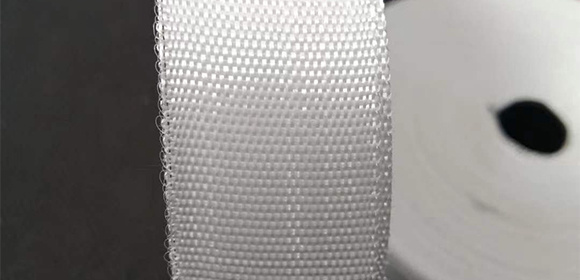
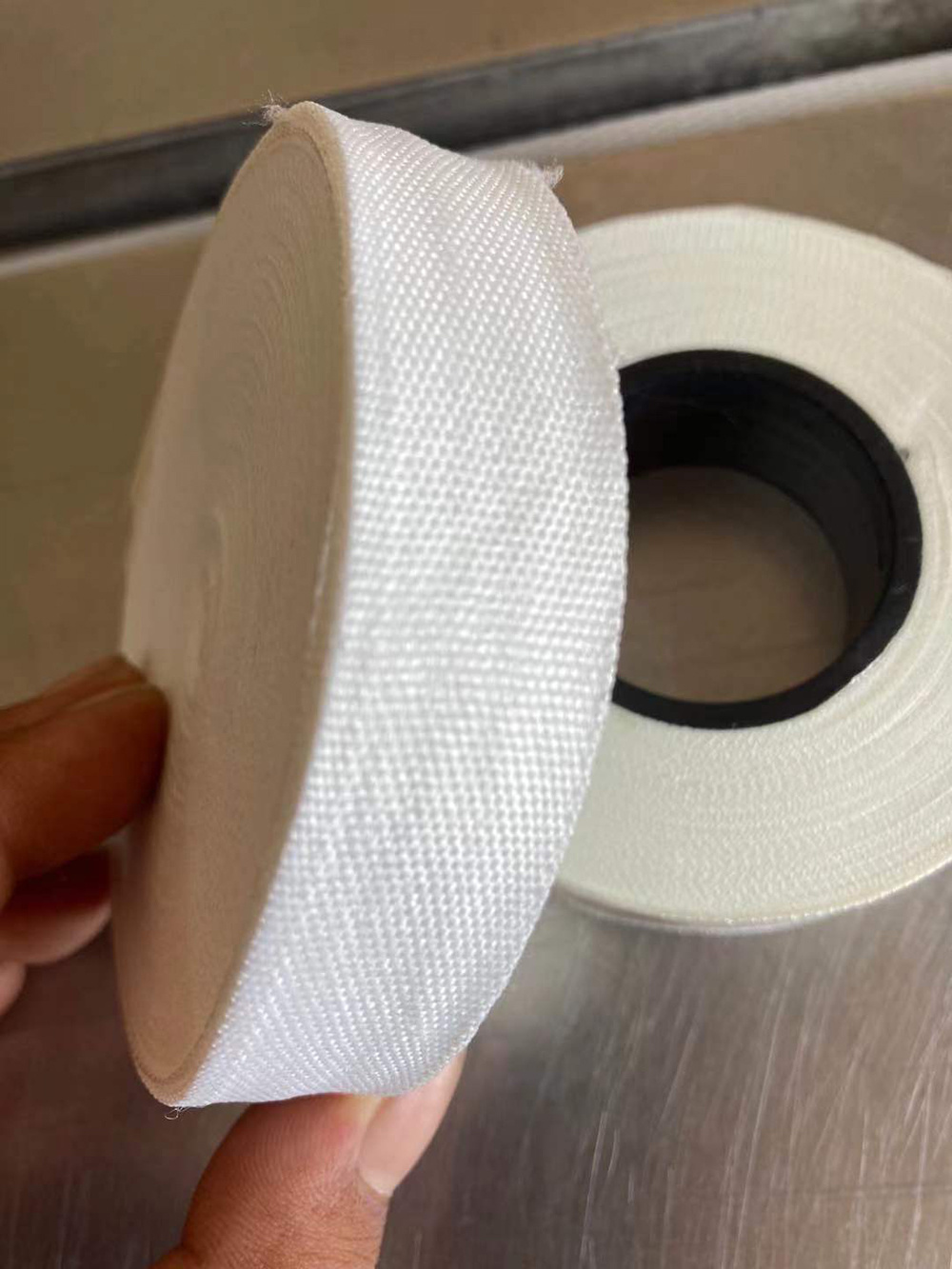
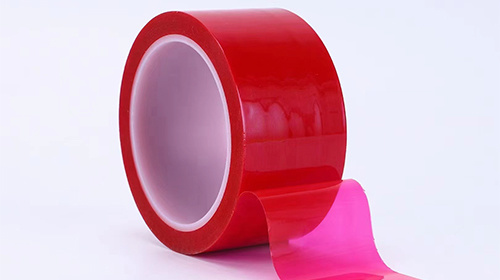
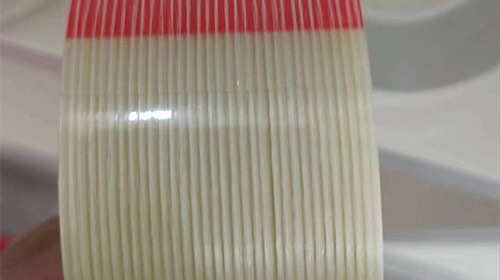
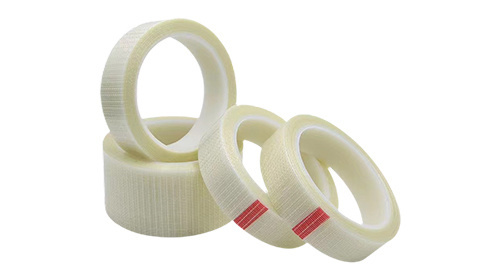
Fiberglass tape has emerged as an essential tool in the realm of electrical applications. Made from woven glass fibers, this type of tape combines durability with high performance, making it an ideal choice for a variety of electrical jobs. As industries increasingly prioritize safety and efficiency, understanding the benefits of fiberglass tape becomes paramount.
2. Key Properties of Fiberglass Tape
The effectiveness of fiberglass tape in electrical applications stems from its unique properties. Let's delve deeper into these characteristics.
2.1 High-Temperature Resistance
One of the standout features of fiberglass tape is its exceptional high-temperature resistance. This tape can withstand temperatures far exceeding those of traditional insulating materials, making it suitable for environments where heat is a concern. Whether you're wrapping wires in an engine compartment or insulating components near heat sources, fiberglass tape remains reliable.
2.2 Electrical Insulation
Fiberglass tape offers superior electrical insulation. This property ensures that electrical currents do not leak, thereby preventing short circuits and enhancing safety. The tape's dielectric strength makes it an ideal barrier against electrical voltages, safeguarding both equipment and users.
2.3 Chemical Resistance
In addition to thermal and electrical properties, fiberglass tape is resistant to many chemicals, including oils, solvents, and acids. This resilience ensures longevity in diverse environments, such as manufacturing plants and laboratories, where exposure to such substances is common.
3. Applications of Fiberglass Tape in Electrical Work
Fiberglass tape is versatile, finding applications across various electrical tasks. Here are some common uses:
3.1 Insulating Electrical Connections
In electrical installations, ensuring proper insulation of connections is critical. Fiberglass tape serves as a robust insulating layer, protecting wires and connectors from moisture and contaminants. By wrapping connections, it not only enhances safety but also prolongs the lifespan of electrical systems.
3.2 Wrapping Wire Harnesses
Wire harnesses are integral to electrical systems, and maintaining their integrity is crucial. Fiberglass tape is commonly used to wrap these harnesses, providing insulation and protection from abrasions and environmental factors. Its strength and flexibility allow for secure wraps without adding significant bulk.
3.3 Reinforcing Electrical Components
Fiberglass tape is also effective for reinforcing electrical components, such as relays, transformers, and switches. By applying fiberglass tape, technicians can provide additional support and thermal protection, ensuring these components operate optimally over time.
4. Benefits of Using Fiberglass Tape
Utilizing fiberglass tape in electrical applications comes with numerous advantages, which can significantly enhance project results.
4.1 Enhanced Safety
Safety is a paramount concern in electrical work, and fiberglass tape plays a crucial role in ensuring the safety of both equipment and personnel. Its insulating properties prevent electrical shock and reduce the risk of fire hazards, making it a trusted choice for electricians.
4.2 Improved Durability
Fiberglass tape boasts remarkable durability, resisting wear and tear better than many alternatives. This longevity means fewer replacements and repairs, reducing operational costs. Whether exposed to harsh conditions or routine use, fiberglass tape remains intact and effective.
4.3 Cost-Effectiveness
While the initial cost of fiberglass tape may be higher than some traditional insulating materials, its durability and reliability lead to long-term savings. Fewer replacements and reduced maintenance costs contribute to an overall more economical choice for electrical applications.
5. How to Select the Right Fiberglass Tape
Choosing the appropriate fiberglass tape for your specific needs is essential. Consider the following factors:
- **Temperature Rating**: Ensure the tape's temperature rating aligns with the conditions it will face.
- **Thickness**: Thicker tapes offer more insulation but may be less flexible. Select a thickness that balances protection and ease of use.
- **Adhesive Type**: Different adhesives affect how well the tape adheres to surfaces. Consider the materials being bonded and the conditions they'll encounter.
6. Installation Tips for Fiberglass Tape
Proper installation of fiberglass tape is crucial for maximizing its benefits. Here are some tips to ensure effective application:
- **Clean the Surface**: Ensure that the surface is clean and dry before applying the tape. Any dirt or moisture can affect adhesion.
- **Apply Even Tension**: When wrapping, maintain even tension to avoid gaps or loose areas that may compromise insulation.
- **Overlap Layers**: For added protection, overlap each layer of tape slightly. This technique enhances insulation and strength.
7. Common Questions about Fiberglass Tape
7.1 What is fiberglass tape used for?
Fiberglass tape is primarily used for electrical insulation, wrapping wire harnesses, and reinforcing electrical components.
7.2 Is fiberglass tape waterproof?
Yes, fiberglass tape offers a degree of moisture resistance, making it suitable for use in damp environments.
7.3 How does fiberglass tape compare to electrical tape?
Fiberglass tape typically has higher temperature resistance and durability than standard electrical tape, making it preferable for high-demand applications.
7.4 Can fiberglass tape be used outdoors?
Yes, many fiberglass tapes are designed to withstand outdoor conditions, although it’s crucial to verify the product specifications.
7.5 How can I remove fiberglass tape?
To remove fiberglass tape, gently peel it away from the surface. If any adhesive residue remains, solvents may be used for cleanup.
8. Conclusion
In conclusion, fiberglass tape is an invaluable asset in electrical applications, offering numerous benefits that enhance safety, durability, and cost-effectiveness. With its high-temperature resistance, excellent electrical insulation properties, and versatility in various applications, fiberglass tape stands out as a superior choice for professionals and DIY enthusiasts alike. By understanding the advantages and proper usage of fiberglass tape, you can ensure the success of your electrical projects while prioritizing safety and efficiency. Embrace the benefits of fiberglass tape and elevate the quality of your electrical work today.


Phone/WhatsApp:
Email:
About Us
We firmly believe that by working together with global partners, we can jointly create a bright future for the electrical insulation materials industry.


Leave Message
If you have any queries about us or our product(s), feel free to drop us a message.