
The Versatile Uses of Fiber Glass Tape in Electrical Insulation
The Versatile Uses of Fiber Glass Tape in Electrical Insulation
Fiber glass tape has become a cornerstone in the field of electrical insulation. This specialized material offers a plethora of benefits that make it ideal for a variety of applications. Its unique properties, including high-temperature resistance, electrical insulation, and mechanical strength, set it apart from other insulation mate
The Versatile Uses of Fiber Glass Tape in Electrical Insulation
Fiber glass tape has become a cornerstone in the field of electrical insulation. This specialized material offers a plethora of benefits that make it ideal for a variety of applications. Its unique properties, including high-temperature resistance, electrical insulation, and mechanical strength, set it apart from other insulation materials. In this article, we will explore the various uses of fiber glass tape in electrical insulation, diving into its advantages, applications, and best practices for implementation.
Table of Contents
- 1. Benefits of Fiber Glass Tape in Electrical Insulation
- 2. Key Applications of Fiber Glass Tape
- 3. Best Practices for Installing Fiber Glass Tape
- 4. Maintaining Fiber Glass Tape Insulations
- 5. Comparing Fiber Glass Tape with Other Insulation Materials
- 6. Safety Considerations When Using Fiber Glass Tape
- 7. Environmental Impact of Fiber Glass Tape
- 8. Frequently Asked Questions
- 9. Conclusion
1. Benefits of Fiber Glass Tape in Electrical Insulation
Fiber glass tape offers numerous benefits that make it a preferred choice for electrical insulation. Some of the key advantages include:
1.1 High-Temperature Resistance
Fiber glass tape can withstand high temperatures without degrading, making it ideal for applications where heat is a concern. It can typically handle temperatures up to 550°F (approximately 288°C), ensuring reliable performance in demanding environments.
1.2 Excellent Electrical Insulation
With its superior dielectric strength, fiber glass tape provides excellent electrical insulation, preventing unwanted current leakage. This characteristic is crucial for maintaining the integrity of electrical systems.
1.3 Mechanical Strength
The robust construction of fiber glass tape contributes to its durability and mechanical strength. It can withstand stresses that might damage other types of insulation materials, making it suitable for industrial applications.
1.4 Chemical Resistance
Fiber glass tape is resistant to a wide range of chemicals, including acids and solvents. This makes it suitable for environments where exposure to harsh substances is likely, thereby extending its lifespan.
1.5 Lightweight and Flexible
The lightweight nature of fiber glass tape allows for easy handling and application. Its flexibility enables it to conform to various shapes and surfaces, enhancing its usability in different situations.
2. Key Applications of Fiber Glass Tape
The versatility of fiber glass tape makes it suitable for a wide range of applications in electrical insulation. Here are some prominent uses:
2.1 Motor and Generator Insulation
Fiber glass tape is commonly used to insulate windings in electric motors and generators. Its high-temperature tolerance and electrical insulation properties help maintain the operational efficiency of these devices.
2.2 Transformer Insulation
Transformers operate under high voltage and temperature conditions. Fiber glass tape provides excellent insulation, ensuring safe and reliable operation over extended periods.
2.3 Cable Wrapping
Fiber glass tape is frequently used to wrap cables, providing protection against mechanical stresses and environmental factors. This application helps in prolonging the life of cables, especially in harsh conditions.
2.4 Insulation of Heating Elements
In heating applications, fiber glass tape serves as an insulator for heating elements. Its high-temperature resistance ensures that heat is efficiently contained within the element, enhancing performance.
2.5 Electrical Panel Insulation
Fiber glass tape can be used to insulate electrical panels, protecting sensitive components from potential short circuits and ensuring safety in electrical installations.
3. Best Practices for Installing Fiber Glass Tape
Proper installation of fiber glass tape is crucial to maximize its effectiveness in electrical insulation. Here are some best practices to follow:
3.1 Surface Preparation
Ensure that the surfaces where the tape will be applied are clean, dry, and free from contaminants. Any debris or moisture can compromise the adhesive properties and overall effectiveness of the tape.
3.2 Optimal Tensioning
When applying the tape, maintain even tension without stretching it too tightly. This helps in achieving a secure adhesion while preventing damage to the tape.
3.3 Overlapping Layers
For enhanced insulation, overlap the layers of tape by about 50%. This ensures complete coverage and minimizes the risk of gaps that could allow electrical leakage.
3.4 Cutting and Finishing
Use sharp scissors or a utility knife to cut the tape cleanly. Avoid tearing the tape, as this can lead to uneven edges and reduced insulation effectiveness.
4. Maintaining Fiber Glass Tape Insulations
Regular maintenance is essential to ensure the longevity and effectiveness of fiber glass tape in electrical insulation applications. Here are some maintenance tips:
4.1 Regular Inspections
Conduct periodic inspections of the insulated components to identify any signs of wear or damage to the tape. Early detection can prevent more significant issues from arising.
4.2 Cleaning
Keep the insulated areas clean and free from debris. Use a soft cloth or brush to remove dust and contaminants that could affect the performance of the insulation.
4.3 Temperature Monitoring
Monitor the operating temperatures of the insulated components regularly. If any component consistently exceeds the rated temperature, consider reevaluating the insulation materials used.
5. Comparing Fiber Glass Tape with Other Insulation Materials
To understand the value of fiber glass tape, it is helpful to compare it with other insulation materials commonly used in electrical applications.
5.1 Fiber Glass Tape vs. PVC Tape
While PVC tape is more cost-effective, fiber glass tape offers superior temperature resistance and durability. This makes fiber glass tape a better choice for high-performance applications.
5.2 Fiber Glass Tape vs. Rubber Insulation
Rubber insulation provides excellent flexibility and cushioning but may not withstand high temperatures as effectively as fiber glass tape. For applications involving high heat, fiber glass tape is preferred.
5.3 Fiber Glass Tape vs. Cloth Tape
Cloth tape is suitable for general insulation but lacks the high-temperature resistance and electrical properties of fiber glass tape. For specialized applications, fiber glass tape is the superior option.
6. Safety Considerations When Using Fiber Glass Tape
Safety is paramount when working with fiber glass tape. Here are some safety considerations to keep in mind:
6.1 Personal Protective Equipment (PPE)
Always wear appropriate PPE, such as gloves and eye protection, when handling fiber glass tape. This helps to prevent skin irritation and injury from sharp edges.
6.2 Proper Ventilation
If applying adhesive fiber glass tape, ensure that the workspace is well-ventilated to avoid inhaling fumes that could be harmful.
6.3 Safe Disposal
Dispose of any waste materials from fiber glass tape in accordance with local regulations. This ensures that you do not pose a risk to the environment or public health.
7. Environmental Impact of Fiber Glass Tape
Fiber glass tape is often considered more environmentally friendly than other insulation materials due to its durability and longevity. Here are some environmental aspects to consider:
7.1 Longevity
The long lifespan of fiber glass tape reduces the frequency of replacements, thereby minimizing waste generated from discarded insulation materials.
7.2 Recyclability
Some fiber glass tapes are manufactured from recyclable materials, making them a sustainable choice for environmentally conscious projects.
7.3 Manufacturing Standards
Manufacturers of fiber glass tape often adhere to stringent environmental standards, ensuring that the production process minimizes harm to the environment.
8. Frequently Asked Questions
8.1 What is fiber glass tape made of?
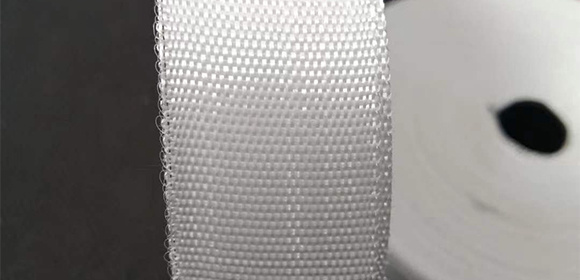
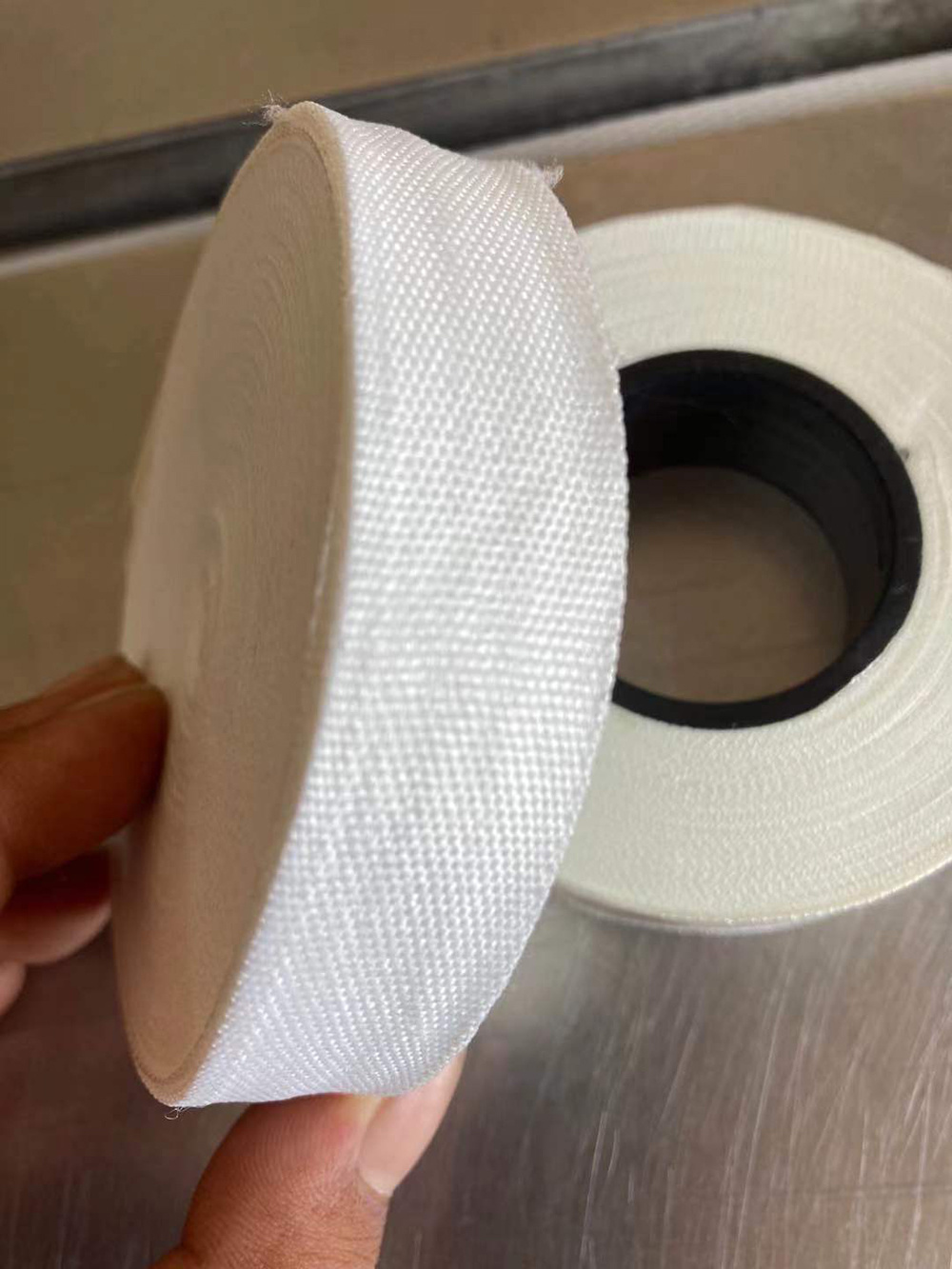
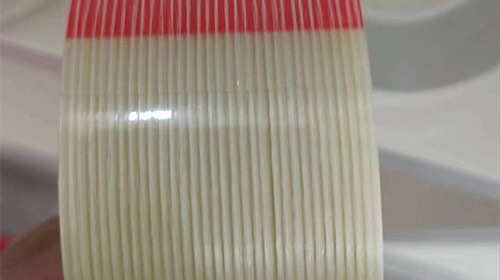
Fiber glass tape is made from woven fiberglass strands coated with a high-temperature adhesive. This composition gives it its unique insulating properties.
8.2 Can fiber glass tape be used in wet conditions?
While fiber glass tape is resistant to moisture, it is essential to ensure that it is applied in conditions that minimize exposure to water to maintain its insulation properties.
8.3 How does fiber glass tape compare in cost to other insulation materials?
Fiber glass tape may have a higher upfront cost compared to other materials, but its durability and performance can lead to long-term savings.
8.4 Is fiber glass tape safe for electrical use?
Yes, fiber glass tape is safe for electrical use, provided it is installed correctly and maintained according to industry standards.
8.5 How can I ensure the best performance from fiber glass tape?
To ensure optimal performance, follow proper installation techniques, conduct regular maintenance, and monitor operating conditions frequently.
9. Conclusion
Fiber glass tape stands out as a versatile and effective solution for electrical insulation, providing unparalleled advantages in terms of temperature resistance, electrical insulation, and mechanical strength. Its broad range of applications—from motor insulation to cable wrapping—demonstrates its importance in maintaining the safety and efficiency of electrical systems. By adhering to best practices in installation and maintenance, users can maximize the benefits of fiber glass tape, ensuring that it serves its purpose effectively for years to come. Embracing this innovative insulation material will not only enhance the performance of electrical applications but also contribute to safer and more reliable operations in various industries.


Phone/WhatsApp:
Email:
About Us
We firmly believe that by working together with global partners, we can jointly create a bright future for the electrical insulation materials industry.


Leave Message
If you have any queries about us or our product(s), feel free to drop us a message.