
Why Choose Flexible Composite Materials for Insulation Solutions?
Why Choose Flexible Composite Materials for Insulation Solutions?
Introduction to Flexible Composite Materials
In today's fast-paced industrial landscape, the quest for effective insulation solutions has never been more critical. **Flexible composite materials** have emerged as a superior alternative to traditional insulation options, offering a unique blend of versatility, durability, and perform
Why Choose Flexible Composite Materials for Insulation Solutions?
Introduction to Flexible Composite Materials
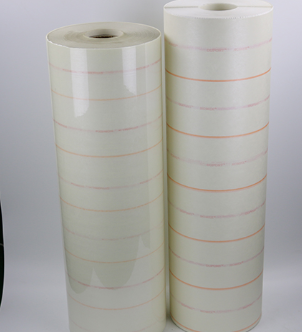
In today's fast-paced industrial landscape, the quest for effective insulation solutions has never been more critical. **Flexible composite materials** have emerged as a superior alternative to traditional insulation options, offering a unique blend of versatility, durability, and performance. These materials are designed to cater to diverse applications, from electrical insulation to thermal barriers, making them indispensable in various sectors.
Understanding the Basics of Composite Materials
Composite materials consist of two or more distinct components that, when combined, produce a material with enhanced properties. In the context of insulation, flexible composites often integrate polymers, fibers, and fillers to achieve desired characteristics. This synergistic effect results in materials that exhibit improved strength, flexibility, and thermal resistance.
The Components of Flexible Composite Insulation
1. **Polymers**: The base matrix in many flexible composites, polymers provide structural integrity and flexibility. Common types include polyurethane, silicone, and polyethylene.
2. **Fibers**: Reinforcing fibers, such as glass or aramid, enhance the tensile strength of the composite, making it resistant to mechanical stress.
3. **Fillers**: Fillers like silica or carbon black can modify properties such as thermal conductivity, enhancing insulation performance.
Key Benefits of Using Flexible Composite Materials
The choice to utilize flexible composite materials for insulation solutions is bolstered by a myriad of advantages. Let’s delve into the primary benefits:
1. Superior Thermal Insulation Properties
Flexible composite materials excel at minimizing heat transfer, making them ideal for applications that require effective thermal insulation. Their low thermal conductivity ensures that energy loss is significantly reduced, resulting in improved energy efficiency and lower operational costs.
2. Exceptional Electrical Insulation
For electrical applications, the dielectric properties of flexible composites make them excellent insulators. They provide reliable protection against electrical leakage and short circuits, ensuring the safety and efficiency of electrical systems.
3. Lightweight and Flexible
One of the standout features of flexible composites is their lightweight nature. This characteristic simplifies installation processes and reduces the overall structural load in various applications. Moreover, their flexibility allows for easy adaptation to irregular surfaces and complex geometries.
4. Resistance to Environmental Factors
Flexible composite materials are often engineered to withstand harsh environmental conditions, including moisture, UV radiation, and extreme temperatures. This durability prolongs the lifespan of insulation solutions, reducing maintenance and replacement costs.
5. Cost-Effectiveness
While the initial investment in flexible composite materials may be higher compared to traditional insulation, the long-term savings in energy costs, maintenance, and durability make them a wise choice for businesses seeking sustainable solutions.
Applications of Flexible Composite Materials in Insulation
Flexible composite materials are versatile and can be applied across various industries. Here are some notable applications:
1. Electrical Insulation in Power Generation
In power generation, flexible composite materials are used in transformers, generators, and switchgear. Their excellent electrical insulation properties ensure safe and efficient operation.
2. Thermal Insulation in Building Construction
In construction, these materials provide thermal insulation for walls, roofs, and HVAC systems, contributing to energy-efficient building design and improved occupant comfort.
3. Insulation in Automotive Applications
The automotive industry benefits from flexible composites for sound dampening and thermal insulation in vehicles, enhancing comfort while reducing energy consumption.
4. Aerospace Insulation Solutions
In aerospace, lightweight and durable insulation solutions are crucial. Flexible composites offer high-performance insulation that can withstand extreme conditions, making them suitable for aircraft components.
5. Marine and Offshore Applications
For marine and offshore structures, flexible composites provide insulation that resists corrosion and moisture, ensuring safety and performance in harsh marine environments.
Making the Switch: Transitioning to Flexible Composites
Switching to flexible composite materials can seem daunting, but the long-term benefits significantly outweigh the challenges. Here are steps to consider for a smooth transition:
1. Assessing Current Insulation Needs
Evaluate your current insulation materials and identify areas for improvement. Consider factors such as thermal performance, environmental resistance, and lifecycle costs.
2. Engaging with Manufacturers
Collaborate with manufacturers that specialize in flexible composite materials. They can provide insights into the best solutions tailored to your specific insulation needs.
3. Conducting Pilot Tests
Before a full-scale implementation, conduct pilot tests to gauge the performance of flexible composites in your application. This will help you understand their advantages and ensure compatibility with existing systems.
4. Training and Implementation
Ensure that your team is well-trained in the installation and maintenance of flexible composite materials. Understanding their properties and advantages will facilitate a smoother transition.
Frequently Asked Questions (FAQs)
1. What are flexible composite materials?
Flexible composite materials are engineered products that combine polymers, fibers, and fillers to create insulation solutions with enhanced thermal and electrical properties.
2. Why should I choose flexible composites over traditional insulation materials?
Flexible composites offer superior thermal and electrical insulation, lightweight properties, environmental resistance, and long-term cost savings.
3. In which industries are flexible composite materials used?
They are widely used in power generation, construction, automotive, aerospace, and marine applications.
4. How do flexible composites improve energy efficiency?
Their low thermal conductivity minimizes heat transfer, leading to reduced energy loss and lower operational costs.
5. Are flexible composite materials environmentally friendly?
Many flexible composite materials are designed with sustainability in mind, often featuring recyclable components and enhanced durability that contribute to reduced waste.
Conclusion: The Future of Insulation Solutions
Choosing flexible composite materials for insulation solutions is not merely a trend; it is a forward-thinking strategy that aligns with modern demands for efficiency, durability, and sustainability. As industries continue to evolve, these materials will play a pivotal role in shaping the future of insulation technologies. By capitalizing on their unique advantages, businesses can enhance their operational efficiency while contributing positively to the environment. Transitioning to flexible composites is a step towards smarter, more sustainable insulation solutions—one that promises substantial returns on investment and a competitive edge in today’s marketplace.


Phone/WhatsApp:
Email:
About Us
We firmly believe that by working together with global partners, we can jointly create a bright future for the electrical insulation materials industry.


Leave Message
If you have any queries about us or our product(s), feel free to drop us a message.