
Understanding the Benefits and Applications of Fiberglass Tape in Electrical Insulation
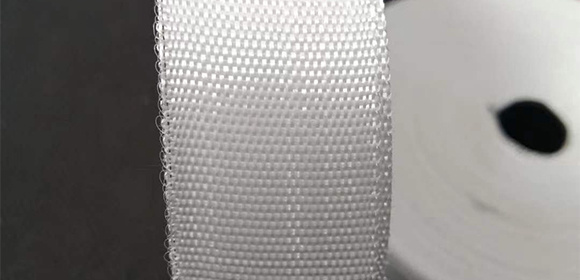
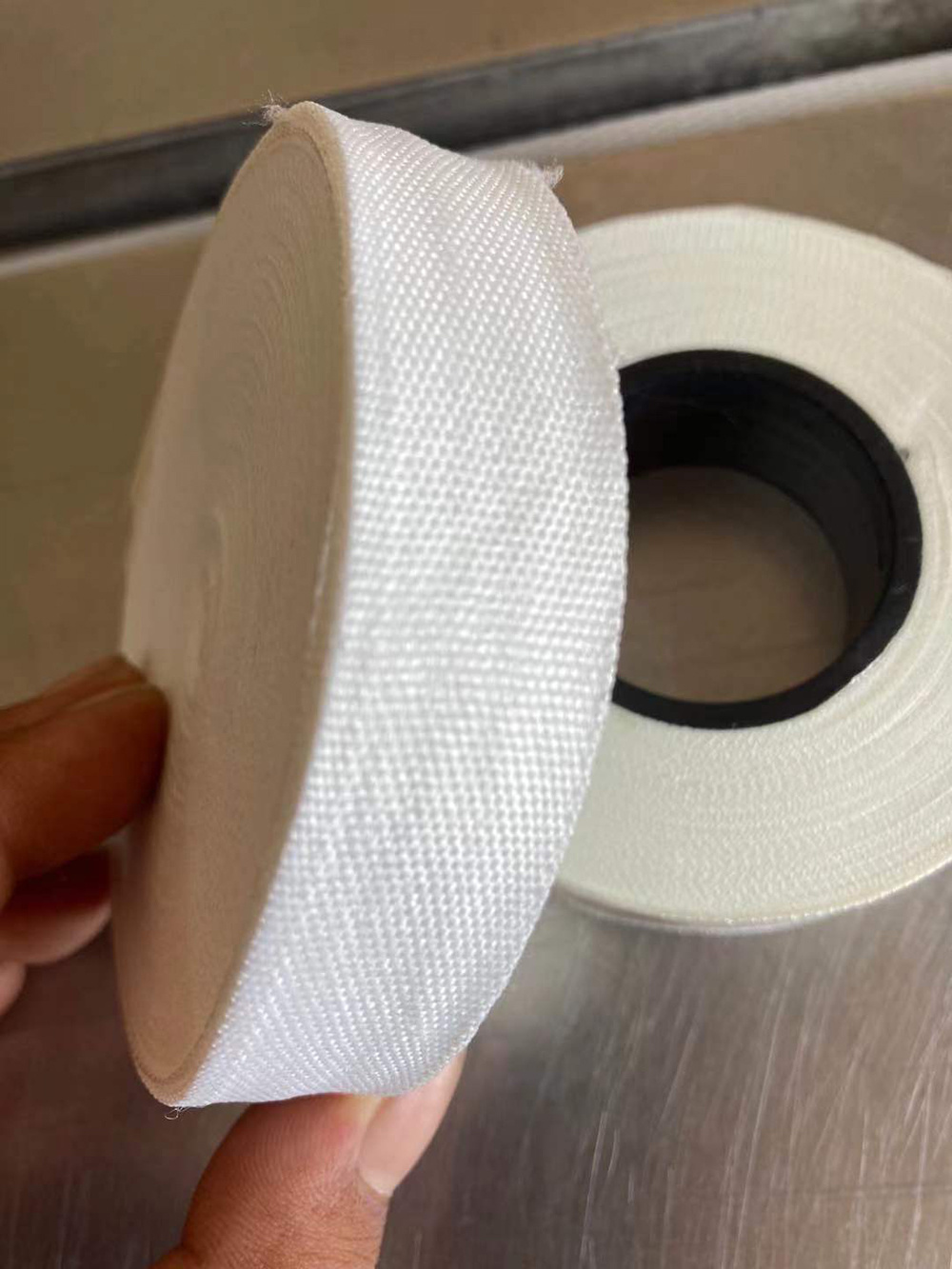
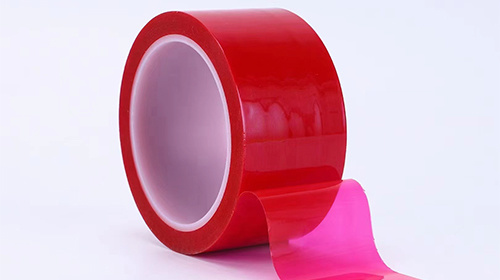
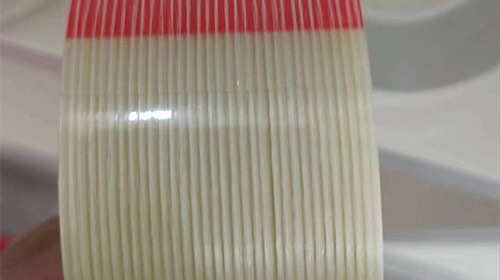
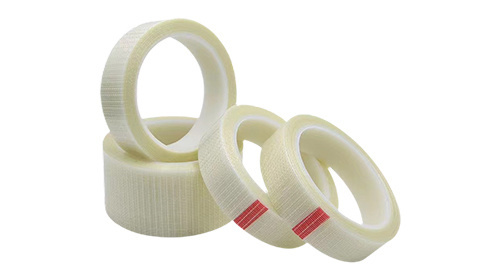
Fiberglass tape is a versatile and essential material in the electrical insulation industry, particularly when it comes to providing a reliable barrier against electrical conductivity and environmental factors. Made from woven fiberglass strands, this tape is known for its high tensile strength, durability, and resistance to heat, making it an ideal choice for a variety of applications.
One of the
Fiberglass tape is a versatile and essential material in the electrical insulation industry, particularly when it comes to providing a reliable barrier against electrical conductivity and environmental factors. Made from woven fiberglass strands, this tape is known for its high tensile strength, durability, and resistance to heat, making it an ideal choice for a variety of applications.
One of the primary benefits of fiberglass tape is its excellent thermal resistance. It can withstand high temperatures without degrading, which is crucial in electrical applications where heat generation is common. This characteristic makes it suitable for use in insulating cables, wires, and other electrical components that operate under high-heat conditions.
In addition to its heat resistance, fiberglass tape is also notable for its electrical insulation properties. It is non-conductive, which means it can effectively prevent electrical short circuits while providing a protective layer. This feature is particularly valuable for electricians and engineers who require dependable insulation solutions to ensure safety and performance in their projects.
Fiberglass tape is also resistant to many chemicals, moisture, and environmental factors. This makes it suitable for use in harsh conditions, such as industrial environments or outdoors where exposure to elements may occur. Its ability to maintain integrity over time, even when subjected to stress, enhances its reliability as an insulation material.
When applying fiberglass tape, proper technique is essential for achieving optimal results. It is crucial to ensure that the surface is clean and dry before application, as this will promote better adhesion and performance. Additionally, wrapping the tape with the right tension will help in achieving a secure and uniform layer, minimizing any potential for air pockets that could compromise insulation quality.
Fiberglass tape is used in various electrical applications, including motor winding, transformer insulation, and for bundling and protecting cables. Its versatility extends to the automotive and aerospace industries as well, where it serves a crucial role in insulating and protecting delicate components.
Overall, fiberglass tape stands out as a reliable choice for professionals in the electrical insulation sector. Its combination of strength, heat resistance, chemical durability, and electrical insulation properties makes it an indispensable material for ensuring safe and effective electrical systems. By understanding its benefits and mastering its application techniques, technicians and engineers can enhance the quality and longevity of their electrical installations significantly.
One of the primary benefits of fiberglass tape is its excellent thermal resistance. It can withstand high temperatures without degrading, which is crucial in electrical applications where heat generation is common. This characteristic makes it suitable for use in insulating cables, wires, and other electrical components that operate under high-heat conditions.
In addition to its heat resistance, fiberglass tape is also notable for its electrical insulation properties. It is non-conductive, which means it can effectively prevent electrical short circuits while providing a protective layer. This feature is particularly valuable for electricians and engineers who require dependable insulation solutions to ensure safety and performance in their projects.
Fiberglass tape is also resistant to many chemicals, moisture, and environmental factors. This makes it suitable for use in harsh conditions, such as industrial environments or outdoors where exposure to elements may occur. Its ability to maintain integrity over time, even when subjected to stress, enhances its reliability as an insulation material.
When applying fiberglass tape, proper technique is essential for achieving optimal results. It is crucial to ensure that the surface is clean and dry before application, as this will promote better adhesion and performance. Additionally, wrapping the tape with the right tension will help in achieving a secure and uniform layer, minimizing any potential for air pockets that could compromise insulation quality.
Fiberglass tape is used in various electrical applications, including motor winding, transformer insulation, and for bundling and protecting cables. Its versatility extends to the automotive and aerospace industries as well, where it serves a crucial role in insulating and protecting delicate components.
Overall, fiberglass tape stands out as a reliable choice for professionals in the electrical insulation sector. Its combination of strength, heat resistance, chemical durability, and electrical insulation properties makes it an indispensable material for ensuring safe and effective electrical systems. By understanding its benefits and mastering its application techniques, technicians and engineers can enhance the quality and longevity of their electrical installations significantly.


Phone/WhatsApp:
Email:
About Us
We firmly believe that by working together with global partners, we can jointly create a bright future for the electrical insulation materials industry.


Leave Message
If you have any queries about us or our product(s), feel free to drop us a message.