
Comparative Guide: Insulation High Temperature Tape vs. Traditional Tapes
Comparative Guide: Insulation High Temperature Tape vs. Traditional Tapes
Table of Contents
1. Introduction to Insulation Tapes
2. Understanding Insulation High Temperature Tape
2.1 Defining Insulation High Temperature Tape
2.2 Materials Used in Insulation High Temperature Tape
2.3 Applications of Insulation High Temperature Tape
3. Exploring Traditional Tapes
Comparative Guide: Insulation High Temperature Tape vs. Traditional Tapes
Table of Contents
- 1. Introduction to Insulation Tapes
- 2. Understanding Insulation High Temperature Tape
- 2.1 Defining Insulation High Temperature Tape
- 2.2 Materials Used in Insulation High Temperature Tape
- 2.3 Applications of Insulation High Temperature Tape
- 3. Exploring Traditional Tapes
- 3.1 Defining Traditional Tapes
- 3.2 Materials Used in Traditional Tapes
- 3.3 Applications of Traditional Tapes
- 4. Key Differences Between Insulation High Temperature Tape and Traditional Tapes
- 5. Advantages of Insulation High Temperature Tape
- 6. When to Use Traditional Tapes
- 7. Frequently Asked Questions (FAQs)
- 8. Conclusion
1. Introduction to Insulation Tapes
Insulation tapes serve as an essential component in various electrical and mechanical applications. When it comes to choosing the right type of tape, understanding the differences between **Insulation High Temperature Tape** and **traditional tapes** is critical. Not only do these tapes differ in composition, but they also vary in functionality, application, and durability. This guide aims to provide a thorough comparison to help professionals and enthusiasts alike make informed decisions based on their specific needs.
2. Understanding Insulation High Temperature Tape
2.1 Defining Insulation High Temperature Tape
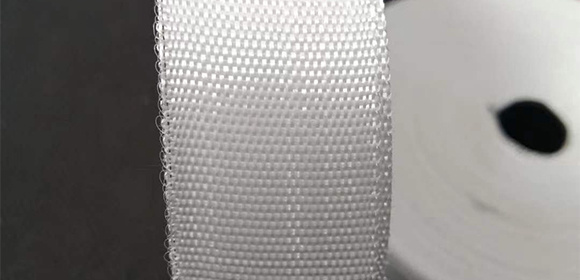
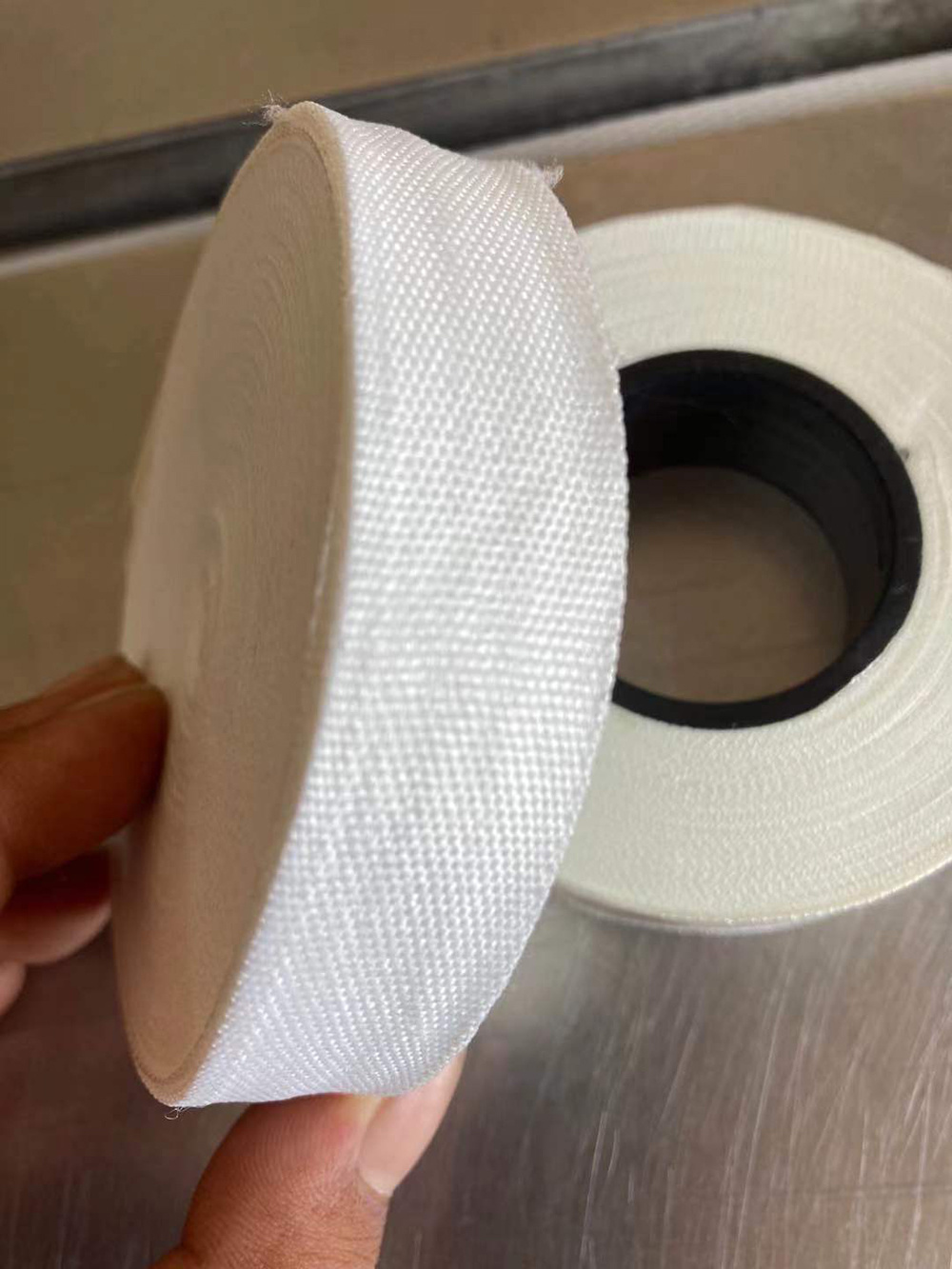
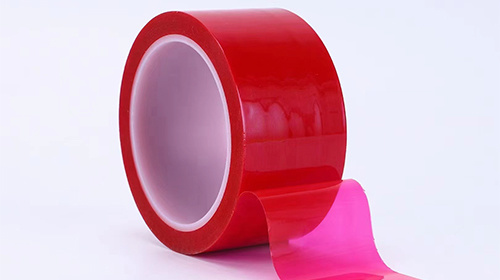
**Insulation High Temperature Tape** is specially designed to withstand extreme temperatures without losing its adhesive properties. This type of tape is often used in environments where temperatures exceed the limits typically handled by traditional tapes. Commonly made from materials such as silicone, polyimide, or fiberglass, these tapes provide excellent insulation and can endure thermal cycling.
2.2 Materials Used in Insulation High Temperature Tape
The materials used in Insulation High Temperature Tape define its performance attributes. These tapes often feature:
- **Silicone Adhesive**: Provides strong adhesion at high temperatures.
- **Polyimide Film**: Offers excellent thermal resistance.
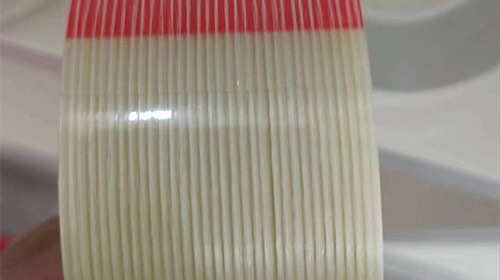
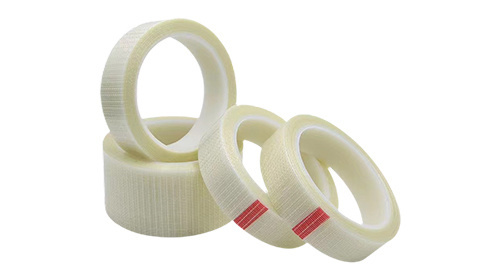
- **Fiberglass Reinforcement**: Enhances mechanical strength and durability.
These materials ensure that the tape can perform effectively in demanding applications such as motor insulation, wire harnessing, and electronic component protection.
2.3 Applications of Insulation High Temperature Tape
Insulation High Temperature Tape finds applications across various industries, including:
- **Electronics**: Used for insulating wires and components in devices exposed to high heat.
- **Automotive**: Employed in wiring harnesses and engine components to prevent heat damage.
- **Aerospace**: Essential for thermal insulation in aircraft electrical systems.
These applications highlight the tape's versatility and necessity in high-temperature environments.
3. Exploring Traditional Tapes
3.1 Defining Traditional Tapes
**Traditional tapes** refer to various adhesive tapes broadly used in electrical and mechanical settings. Common types include **electrical tape**, **duct tape**, and **masking tape**. While these tapes are suitable for many applications, they do not offer the same high-temperature resistance as insulation high temperature tape.
3.2 Materials Used in Traditional Tapes
Traditional tapes are typically made from:
- **Vinyl**: Common in electrical tape, providing a good insulative property.
- **Polyethylene**: Used in duct tape for durability and adhesion.
- **Paper**: Found in masking tape, offering easy handling and application.
While these materials are effective for many standard applications, they may not withstand extreme temperatures.
3.3 Applications of Traditional Tapes
Traditional tapes have diverse applications, including:
- **Electrical Repairs**: Used for insulating electrical connections.
- **General Repairs**: Employed for sealing, bundling, and holding items together.
- **Masking in Painting**: Utilized to protect surfaces during painting jobs.
These applications demonstrate the versatility of traditional tapes, albeit with limitations in high-temperature scenarios.
4. Key Differences Between Insulation High Temperature Tape and Traditional Tapes
Understanding the key differences between Insulation High Temperature Tape and traditional tapes is crucial for selecting the right product for your needs.
- **Temperature Resistance**: Insulation High Temperature Tape can withstand temperatures up to 500°F (260°C) or more, while traditional tapes generally have a maximum temperature limit of around 200°F (93°C).
- **Adhesive Properties**: The silicone or polyimide adhesives used in high-temperature tapes maintain their bonding strength even under extreme conditions, while traditional tapes may lose adhesion when exposed to heat.
- **Durability**: Insulation High Temperature Tape is designed for demanding environments, offering enhanced durability against wear and tear compared to traditional tapes, which can degrade more quickly.
- **Application Specificity**: High-temperature tapes are specifically tailored for high-heat applications, whereas traditional tapes serve a broader range of general purposes.
These differences underscore the importance of choosing the appropriate tape based on the specific requirements of the project or application at hand.
5. Advantages of Insulation High Temperature Tape
Insulation High Temperature Tape offers numerous advantages that make it indispensable in various industries:
- **Enhanced Safety**: By preventing electrical shorts and fires due to overheating, high-temperature tapes enhance safety in electrical applications.
- **Longevity**: These tapes are built to last, reducing the need for frequent replacements in high-heat environments.
- **Versatility**: High-temperature tapes can be used across a variety of applications, including those in harsh environments like automotive and aerospace sectors.
- **Superior Performance**: The ability to maintain adhesive strength and insulative properties at high temperatures ensures reliable performance in critical situations.
These advantages highlight why Insulation High Temperature Tape is often preferred over traditional tapes in specific applications.
6. When to Use Traditional Tapes
Despite the many benefits of Insulation High Temperature Tape, there are scenarios where traditional tapes are more appropriate:
- **Low-Temperature Applications**: For projects that do not involve high heat, traditional tapes can be a cost-effective solution.
- **General Repairs**: In situations requiring quick fixes or temporary solutions, traditional tapes like duct tape or electrical tape can be sufficient.
- **Non-Electrical Applications**: For tasks unrelated to electrical insulation, such as crafting or household repairs, traditional tapes may be more suitable.
By weighing the specific needs of the project, one can determine when to opt for traditional tapes instead.
7. Frequently Asked Questions (FAQs)
What is the maximum temperature Insulation High Temperature Tape can withstand?
Insulation High Temperature Tape can typically withstand temperatures ranging from 250°F to 500°F (120°C to 260°C), depending on the specific material.
Can I use Insulation High Temperature Tape for general repairs?
While Insulation High Temperature Tape can be used for general repairs, it is specifically designed for high-heat applications. For everyday repairs, traditional tapes may be more suitable.
Is Insulation High Temperature Tape waterproof?
Many brands of Insulation High Temperature Tape offer water-resistant properties; however, it is essential to check the specifications of the product being used.
How do I choose between Insulation High Temperature Tape and traditional tape?
Consider the specific application, temperature requirements, and the type of materials being used when choosing between the two types of tape.
Are there any safety concerns with using traditional tapes in high-temperature applications?
Yes, traditional tapes can pose safety hazards in high-temperature applications, as they may melt or lose adhesion, leading to electrical failures or fire risks.
8. Conclusion
In summary, the choice between **Insulation High Temperature Tape** and **traditional tapes** hinges on the application's specific requirements. Insulation High Temperature Tape stands out for its remarkable temperature resistance, durability, and safety features, making it ideal for high-heat environments. Conversely, traditional tapes excel in general use cases where high-temperature resistance is not a concern. By carefully considering the application and conditions, one can select the most effective tape for their needs, ensuring optimal performance and safety.


Phone/WhatsApp:
Email:
About Us
We firmly believe that by working together with global partners, we can jointly create a bright future for the electrical insulation materials industry.


Leave Message
If you have any queries about us or our product(s), feel free to drop us a message.