
Understanding Nomex Paper Flexible Composite Materials in Electrical Insulation
Nomex paper flexible composite materials are gaining recognition in the electrical insulation sector due to their exceptional properties and versatility. These materials are composed of aramid fibers, which are renowned for their high-temperature resistance, mechanical strength, and exceptional electrical insulating capabilities. The unique structure of Nomex paper allows it to withstand extreme e
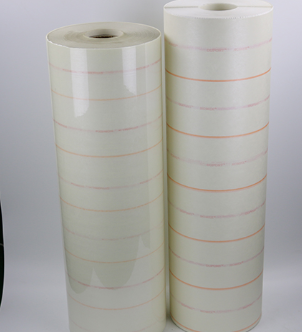
Nomex paper flexible composite materials are gaining recognition in the electrical insulation sector due to their exceptional properties and versatility. These materials are composed of aramid fibers, which are renowned for their high-temperature resistance, mechanical strength, and exceptional electrical insulating capabilities. The unique structure of Nomex paper allows it to withstand extreme environmental conditions, making it an ideal choice for various applications in the electrical and electronics fields.
One of the key advantages of Nomex paper flexible composite materials is their thermal stability. They can operate effectively in temperatures ranging from -200°C to +220°C without losing their insulating properties. This characteristic is critical in industries where heat is a byproduct of operation, such as transformers, motors, and generators. As a result, equipment that utilizes Nomex paper can maintain optimal performance even under demanding conditions.
In addition to thermal resilience, Nomex paper demonstrates excellent dielectric strength. This property is essential for electrical insulation, as it prevents electrical breakdown and ensures safe operation. The high dielectric strength of Nomex paper flexible composites allows them to be used in high-voltage applications, where reliable insulation is paramount.
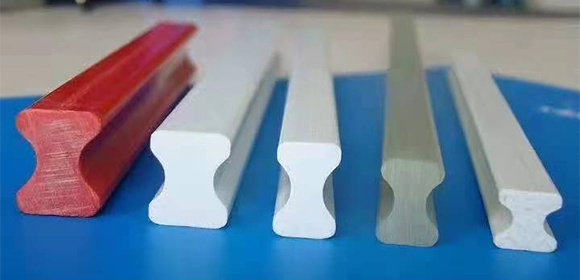
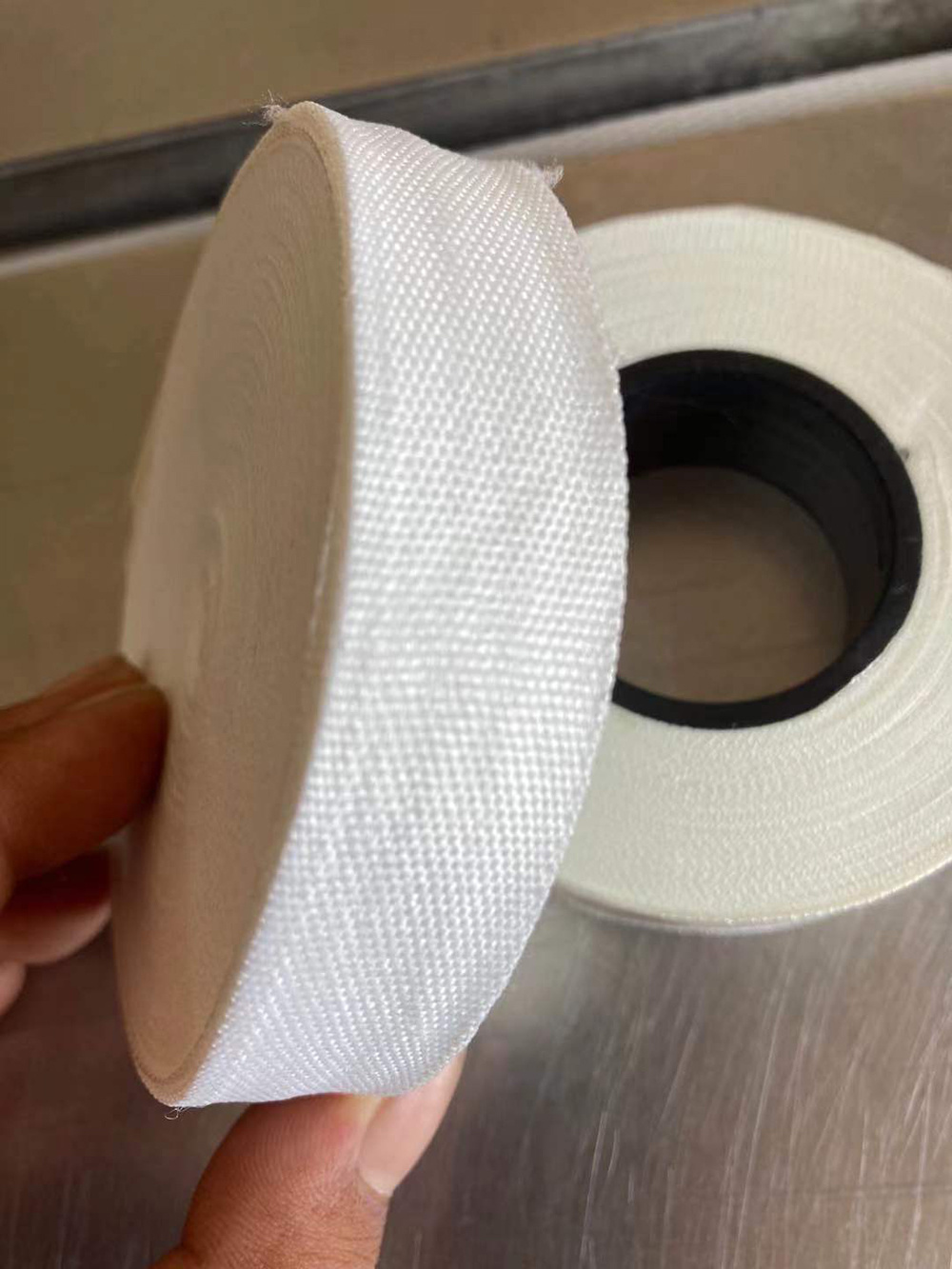
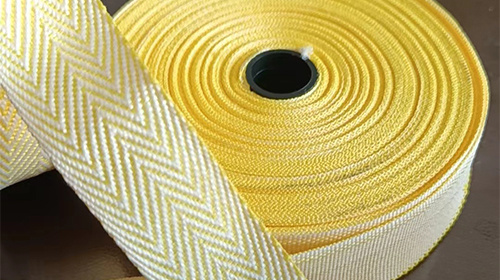
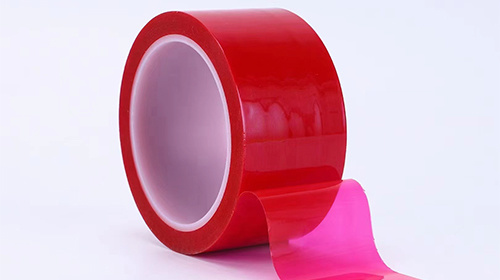
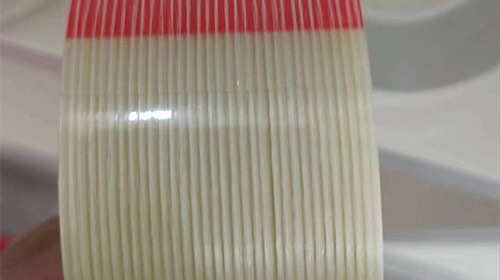
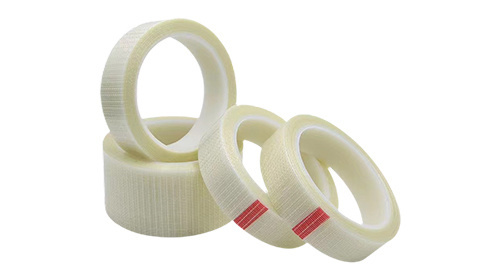
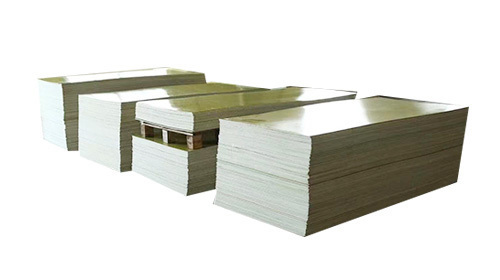
Moreover, the mechanical properties of Nomex paper composites enhance their functionality. They exhibit good tensile strength and flexibility, allowing them to be manufactured into various forms, such as sheets, tapes, and custom shapes. This versatility means that they can be tailored to fit specific components or assemblies, streamlining the design and manufacturing processes.
Another noteworthy aspect is the chemical resistance of Nomex paper flexible composite materials. They are resistant to many chemicals and oils, which can be crucial in environments where exposure to such substances is a concern. This resistance not only prolongs the life of insulation materials but also reduces maintenance costs for electrical equipment.
When considering the environmental impact, Nomex paper is produced from renewable resources, making it a more sustainable choice compared to conventional insulation materials. This aspect aligns with the increasing demand for eco-friendly options in industrial applications.
In summary, Nomex paper flexible composite materials offer a multitude of benefits for the electrical insulation industry. Their thermal stability, excellent dielectric properties, mechanical strength, flexibility, chemical resistance, and eco-friendliness make them an advantageous choice for manufacturers and engineers alike. As technology continues to advance, the adoption of these materials is expected to grow, further enhancing safety and efficiency in electrical applications.
One of the key advantages of Nomex paper flexible composite materials is their thermal stability. They can operate effectively in temperatures ranging from -200°C to +220°C without losing their insulating properties. This characteristic is critical in industries where heat is a byproduct of operation, such as transformers, motors, and generators. As a result, equipment that utilizes Nomex paper can maintain optimal performance even under demanding conditions.
In addition to thermal resilience, Nomex paper demonstrates excellent dielectric strength. This property is essential for electrical insulation, as it prevents electrical breakdown and ensures safe operation. The high dielectric strength of Nomex paper flexible composites allows them to be used in high-voltage applications, where reliable insulation is paramount.
Moreover, the mechanical properties of Nomex paper composites enhance their functionality. They exhibit good tensile strength and flexibility, allowing them to be manufactured into various forms, such as sheets, tapes, and custom shapes. This versatility means that they can be tailored to fit specific components or assemblies, streamlining the design and manufacturing processes.
Another noteworthy aspect is the chemical resistance of Nomex paper flexible composite materials. They are resistant to many chemicals and oils, which can be crucial in environments where exposure to such substances is a concern. This resistance not only prolongs the life of insulation materials but also reduces maintenance costs for electrical equipment.
When considering the environmental impact, Nomex paper is produced from renewable resources, making it a more sustainable choice compared to conventional insulation materials. This aspect aligns with the increasing demand for eco-friendly options in industrial applications.
In summary, Nomex paper flexible composite materials offer a multitude of benefits for the electrical insulation industry. Their thermal stability, excellent dielectric properties, mechanical strength, flexibility, chemical resistance, and eco-friendliness make them an advantageous choice for manufacturers and engineers alike. As technology continues to advance, the adoption of these materials is expected to grow, further enhancing safety and efficiency in electrical applications.


Phone/WhatsApp:
Email:
About Us
We firmly believe that by working together with global partners, we can jointly create a bright future for the electrical insulation materials industry.


Leave Message
If you have any queries about us or our product(s), feel free to drop us a message.