
Understanding Fiberglass Tape: Essential Insights for Electrical Insulation
Fiberglass tape is a specialized insulation material widely used in electrical applications due to its robust properties and versatile functionality. Composed of woven fiberglass strands, this tape provides excellent thermal and electrical resistance, making it an ideal choice for a variety of insulation tasks. Its resistance to heat and flames allows it to maintain structural integrity in high-te
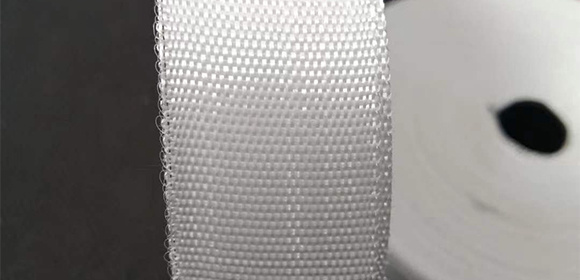
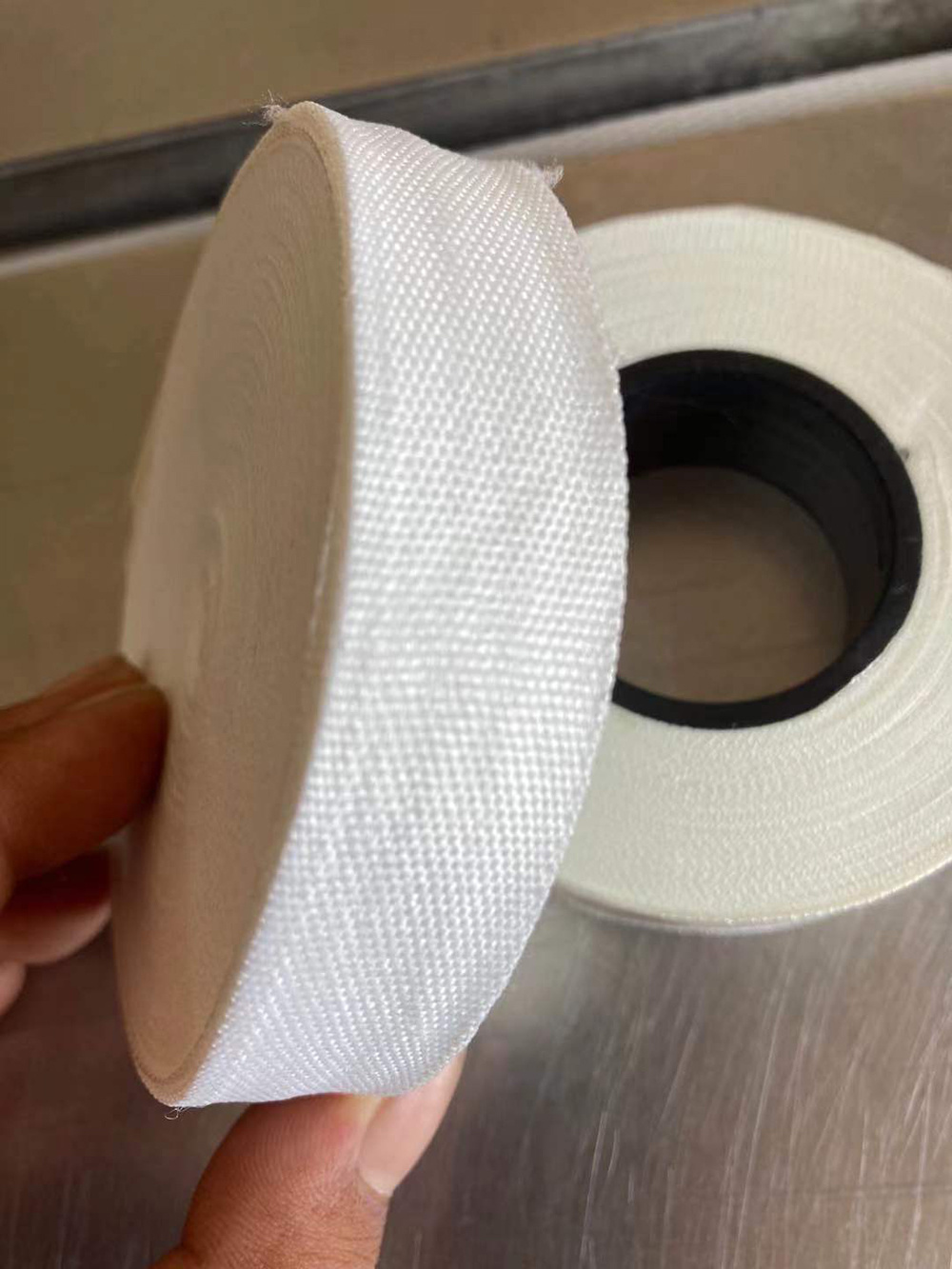
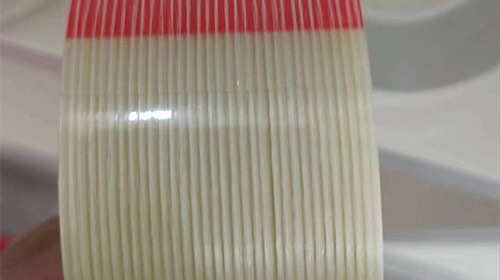
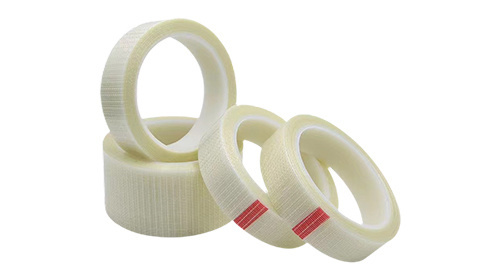
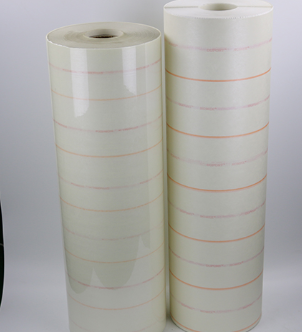
Fiberglass tape is a specialized insulation material widely used in electrical applications due to its robust properties and versatile functionality. Composed of woven fiberglass strands, this tape provides excellent thermal and electrical resistance, making it an ideal choice for a variety of insulation tasks. Its resistance to heat and flames allows it to maintain structural integrity in high-temperature environments, which is crucial for ensuring the safety and longevity of electrical installations.
One of the primary benefits of fiberglass tape is its durability. Unlike traditional insulating materials, fiberglass tape is resistant to moisture and chemicals, which enhances its performance in demanding conditions. This characteristic is particularly advantageous in environments where exposure to solvents or liquids might compromise other types of insulation materials. As a result, fiberglass tape is often used in applications involving transformers, motors, and other electrical components that require reliable insulation.
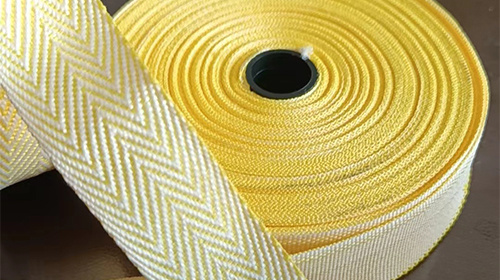
Another significant advantage of using fiberglass tape is its lightweight nature. This makes it easy to handle and apply, allowing electricians and technicians to work efficiently without compromising the quality of their insulation work. Moreover, fiberglass tape is typically available in various widths and thicknesses, giving professionals the flexibility to choose the most suitable option for their specific application needs.
In addition to its electrical insulation applications, fiberglass tape can also serve various other purposes in the industry. For example, it can be used for reinforcing seams in composite materials, as well as providing support and stability in construction projects. Its versatility extends beyond conventional uses, showcasing its potential in multiple sectors.
When selecting fiberglass tape for a project, professionals should consider factors such as the specific requirements of the application, environmental conditions, and any industry standards that must be met. Proper installation is also crucial for achieving optimal performance. Ensuring that the tape is applied evenly and without gaps will maximize its insulation effectiveness and contribute to the overall safety of the electrical system.
In summary, fiberglass tape stands out as a valuable insulation material within the electrical industry. Its unique combination of heat resistance, chemical durability, and lightweight design makes it an essential component in various electrical applications. Understanding the properties and advantages of fiberglass tape enables professionals to make informed decisions, ensuring the quality and reliability of their insulation solutions.
One of the primary benefits of fiberglass tape is its durability. Unlike traditional insulating materials, fiberglass tape is resistant to moisture and chemicals, which enhances its performance in demanding conditions. This characteristic is particularly advantageous in environments where exposure to solvents or liquids might compromise other types of insulation materials. As a result, fiberglass tape is often used in applications involving transformers, motors, and other electrical components that require reliable insulation.
Another significant advantage of using fiberglass tape is its lightweight nature. This makes it easy to handle and apply, allowing electricians and technicians to work efficiently without compromising the quality of their insulation work. Moreover, fiberglass tape is typically available in various widths and thicknesses, giving professionals the flexibility to choose the most suitable option for their specific application needs.
In addition to its electrical insulation applications, fiberglass tape can also serve various other purposes in the industry. For example, it can be used for reinforcing seams in composite materials, as well as providing support and stability in construction projects. Its versatility extends beyond conventional uses, showcasing its potential in multiple sectors.
When selecting fiberglass tape for a project, professionals should consider factors such as the specific requirements of the application, environmental conditions, and any industry standards that must be met. Proper installation is also crucial for achieving optimal performance. Ensuring that the tape is applied evenly and without gaps will maximize its insulation effectiveness and contribute to the overall safety of the electrical system.
In summary, fiberglass tape stands out as a valuable insulation material within the electrical industry. Its unique combination of heat resistance, chemical durability, and lightweight design makes it an essential component in various electrical applications. Understanding the properties and advantages of fiberglass tape enables professionals to make informed decisions, ensuring the quality and reliability of their insulation solutions.


Phone/WhatsApp:
Email:
About Us
We firmly believe that by working together with global partners, we can jointly create a bright future for the electrical insulation materials industry.


Leave Message
If you have any queries about us or our product(s), feel free to drop us a message.