
Understanding the Benefits and Applications of Fiber Glass Tape in Electrical Insulation
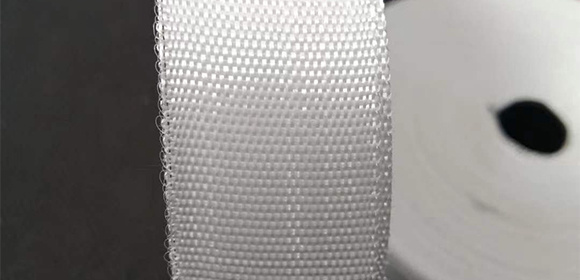
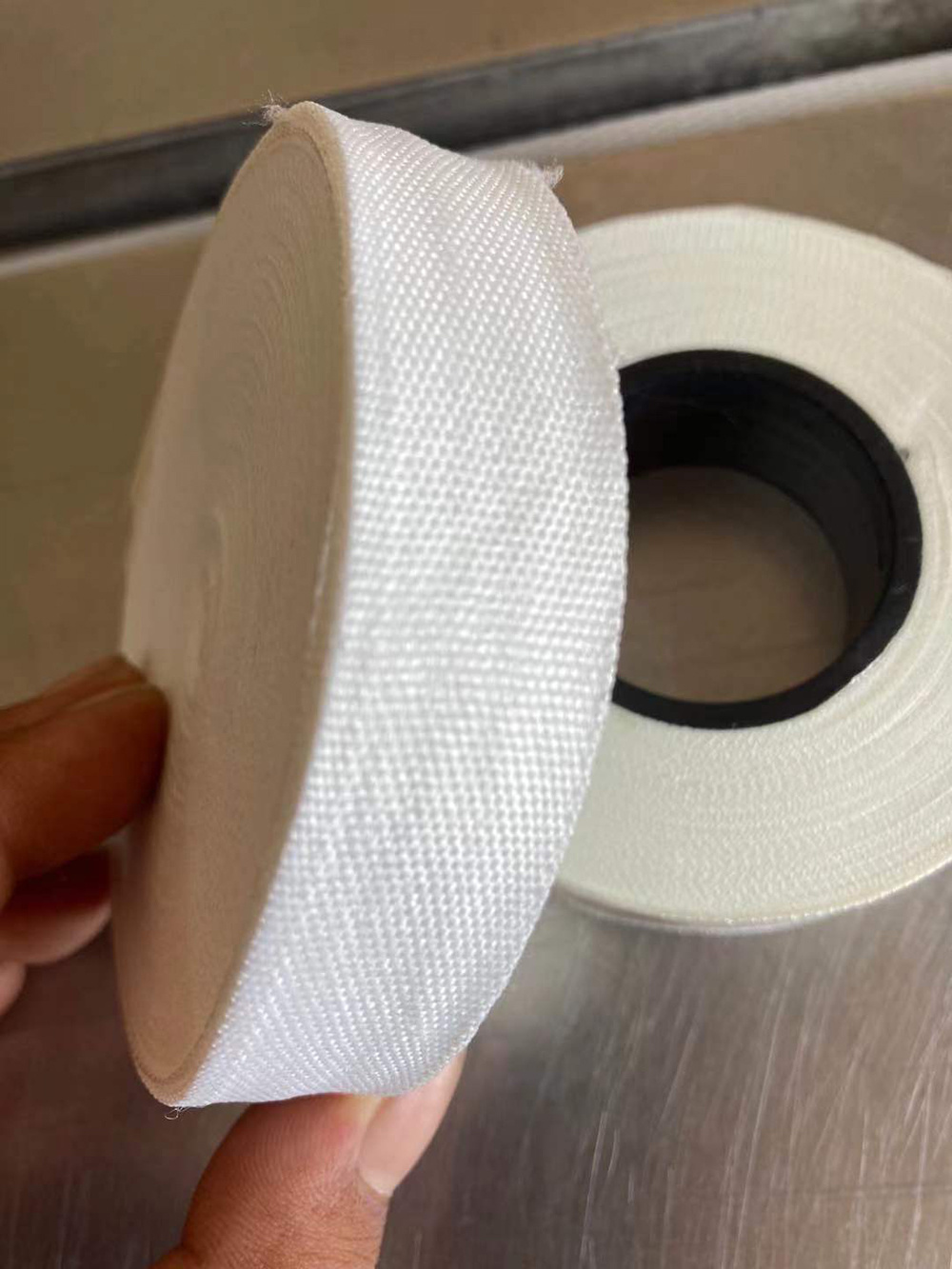
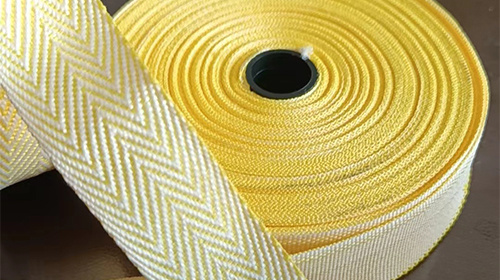
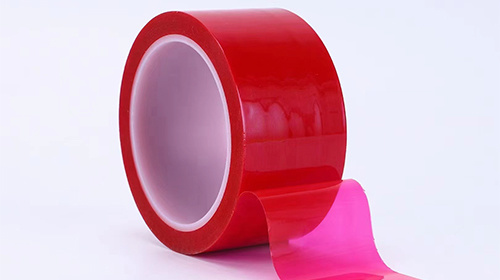
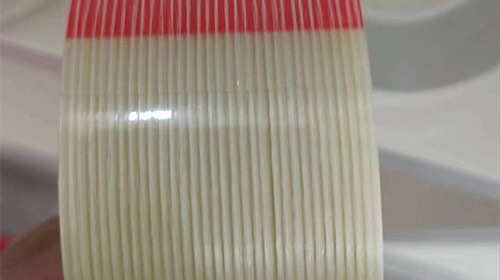
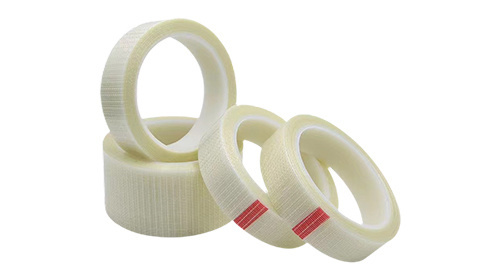
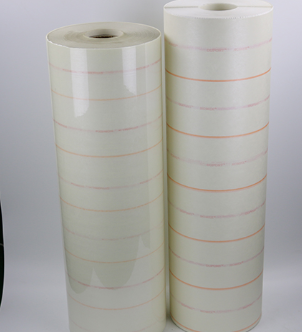
Fiber glass tape is an essential tool in the electrical insulation industry, known for its excellent durability, heat resistance, and insulating properties. Made from woven glass fibers, this tape is designed to provide reliable electrical insulation while also offering mechanical support. Its unique characteristics make it a preferred choice for a variety of electrical and industrial applications
Fiber glass tape is an essential tool in the electrical insulation industry, known for its excellent durability, heat resistance, and insulating properties. Made from woven glass fibers, this tape is designed to provide reliable electrical insulation while also offering mechanical support. Its unique characteristics make it a preferred choice for a variety of electrical and industrial applications.
One of the primary advantages of fiber glass tape is its ability to withstand high temperatures. This makes it ideal for use in environments where heat generation is a concern, such as in motors, transformers, and other electrical devices. The tape can typically handle temperatures ranging from -40°C to 260°C, which allows it to maintain its integrity and insulating properties even under extreme conditions. This thermal stability is particularly beneficial in preventing electrical failures or short circuits that can arise from overheating.
In addition to its heat resistance, fiber glass tape is also highly resistant to moisture, chemicals, and abrasion. This moisture resistance is crucial in applications where exposure to humidity or liquids may occur, as it helps to protect electrical components from corrosion and degradation. Furthermore, the chemical resistance of fiber glass tape allows it to be used in environments where exposure to various solvents and oils is likely, making it a versatile option for many industries.
Fiber glass tape is also lightweight and easy to apply, which adds to its practicality. It can be used in various forms, such as wrapping around wires, insulating electrical connections, or reinforcing components. The tape adheres well to different surfaces, ensuring that it provides a secure bond critical for maintaining electrical insulation.
Another important aspect of fiber glass tape is its dielectric properties. It effectively prevents electrical current from passing through it, which is essential for protecting sensitive electrical components. This property not only enhances the safety of electrical systems but also improves their overall efficiency by minimizing energy loss.
Overall, fiber glass tape is a reliable and versatile material that plays a significant role in electrical insulation. Its combination of heat resistance, moisture and chemical durability, lightweight design, and excellent dielectric properties makes it an invaluable asset for electricians and engineers alike. Whether for small-scale DIY projects or large industrial applications, understanding the benefits and applications of fiber glass tape can help you make informed decisions when selecting insulation materials for your projects.
One of the primary advantages of fiber glass tape is its ability to withstand high temperatures. This makes it ideal for use in environments where heat generation is a concern, such as in motors, transformers, and other electrical devices. The tape can typically handle temperatures ranging from -40°C to 260°C, which allows it to maintain its integrity and insulating properties even under extreme conditions. This thermal stability is particularly beneficial in preventing electrical failures or short circuits that can arise from overheating.
In addition to its heat resistance, fiber glass tape is also highly resistant to moisture, chemicals, and abrasion. This moisture resistance is crucial in applications where exposure to humidity or liquids may occur, as it helps to protect electrical components from corrosion and degradation. Furthermore, the chemical resistance of fiber glass tape allows it to be used in environments where exposure to various solvents and oils is likely, making it a versatile option for many industries.
Fiber glass tape is also lightweight and easy to apply, which adds to its practicality. It can be used in various forms, such as wrapping around wires, insulating electrical connections, or reinforcing components. The tape adheres well to different surfaces, ensuring that it provides a secure bond critical for maintaining electrical insulation.
Another important aspect of fiber glass tape is its dielectric properties. It effectively prevents electrical current from passing through it, which is essential for protecting sensitive electrical components. This property not only enhances the safety of electrical systems but also improves their overall efficiency by minimizing energy loss.
Overall, fiber glass tape is a reliable and versatile material that plays a significant role in electrical insulation. Its combination of heat resistance, moisture and chemical durability, lightweight design, and excellent dielectric properties makes it an invaluable asset for electricians and engineers alike. Whether for small-scale DIY projects or large industrial applications, understanding the benefits and applications of fiber glass tape can help you make informed decisions when selecting insulation materials for your projects.


Phone/WhatsApp:
Email:
About Us
We firmly believe that by working together with global partners, we can jointly create a bright future for the electrical insulation materials industry.


Leave Message
If you have any queries about us or our product(s), feel free to drop us a message.