
Flexible Composite Materials: A Game Changer for Insulation Applications
Flexible Composite Materials: A Game Changer for Insulation Applications
Table of Contents
1. Introduction to Flexible Composite Materials
2. What Are Flexible Composite Materials?
3. Key Properties of Flexible Composite Materials
4. Applications of Flexible Composite Materials in Insulation
5. Advantages of Using Flexible Composite Materials
6. Future Trends in Insulation Technology
Flexible Composite Materials: A Game Changer for Insulation Applications
Table of Contents
- 1. Introduction to Flexible Composite Materials
- 2. What Are Flexible Composite Materials?
- 3. Key Properties of Flexible Composite Materials
- 4. Applications of Flexible Composite Materials in Insulation
- 5. Advantages of Using Flexible Composite Materials
- 6. Future Trends in Insulation Technology
- 7. Environmental Impact of Flexible Composite Materials
- 8. Frequently Asked Questions
- 9. Conclusion
1. Introduction to Flexible Composite Materials
In the ever-evolving landscape of insulation technology, **flexible composite materials** have emerged as a revolutionary solution, transforming how we approach insulation across various industries. These materials combine different substances to create a product that offers superior thermal, electrical, and mechanical properties. As we delve deeper into the world of flexible composite materials, we will uncover how they serve as a game changer in insulation applications, enhancing performance while addressing modern challenges.
2. What Are Flexible Composite Materials?
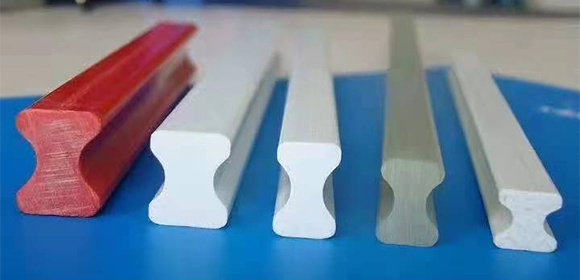
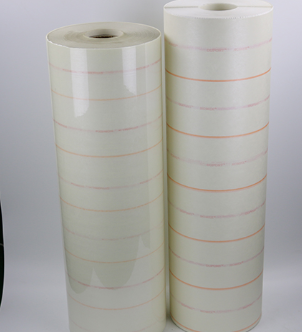
Flexible composite materials are engineered substances that combine various components, such as polymers, fibers, and fillers, to achieve desired characteristics. These materials can be tailored to meet specific requirements, making them highly versatile for insulation applications. Unlike traditional insulation materials, flexible composites can maintain their integrity and performance under varying environmental conditions.
2.1 Composition of Flexible Composite Materials
The typical composition of flexible composite materials includes:
- **Polymeric resins**: These provide flexibility and durability.
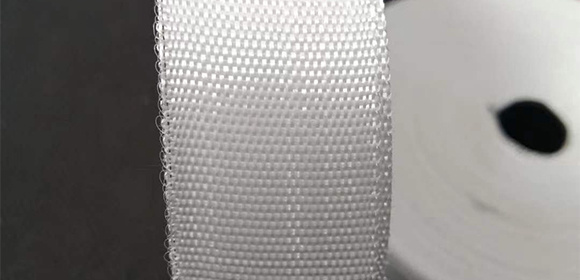
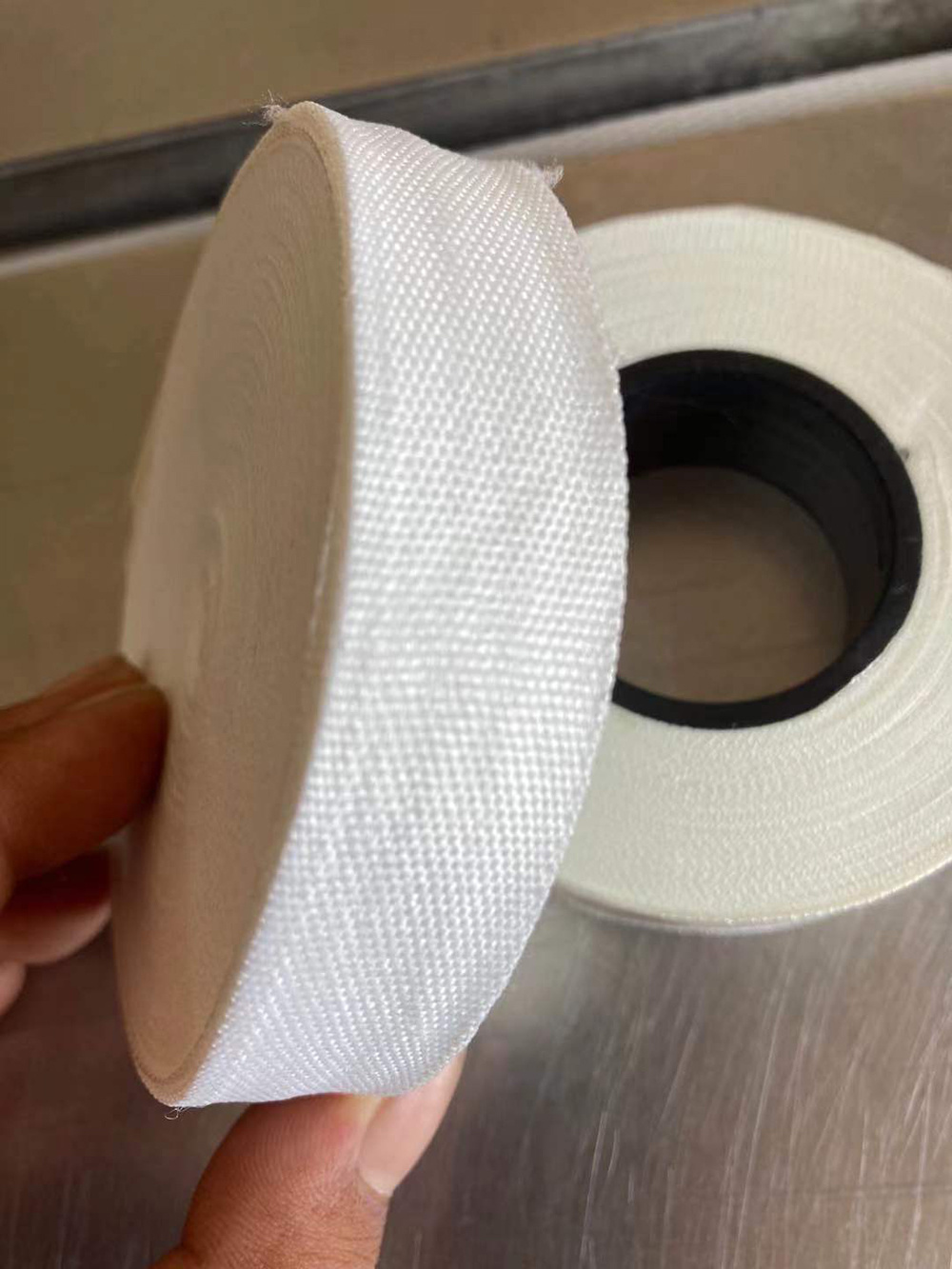
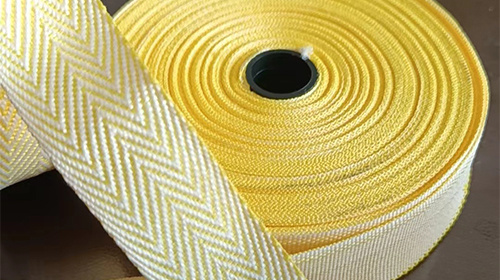
- **Reinforcing fibers**: Often glass, carbon, or aramid fibers that enhance strength.
- **Fillers**: Used to improve thermal insulation and reduce costs.
This unique combination allows manufacturers to create materials that are lightweight yet strong, providing excellent insulation properties.
3. Key Properties of Flexible Composite Materials
To understand the impact of flexible composite materials in insulation applications, we must examine their key properties:
3.1 Thermal Insulation
Flexible composite materials exhibit low thermal conductivity, which is essential for effective insulation. This property helps to minimize heat loss in buildings and industrial processes, improving energy efficiency.
3.2 Electrical Insulation
These materials also possess excellent electrical insulating properties. They can withstand high voltages, making them suitable for electrical applications where traditional insulation materials may fail.
3.3 Mechanical Strength
Flexibility does not compromise strength. Flexible composites maintain high tensile and compressive strength, allowing them to withstand mechanical stresses without deforming.
3.4 Chemical Resistance
In many industrial applications, exposure to harsh chemicals is a concern. Flexible composite materials can be engineered to resist corrosion and degradation from various chemicals, increasing their lifespan and reliability.
4. Applications of Flexible Composite Materials in Insulation
The versatility of flexible composite materials makes them suitable for a wide range of insulation applications:
4.1 Building and Construction
In the construction industry, flexible composite materials are increasingly used in thermal insulation for walls, roofs, and floors. Their lightweight nature simplifies installation and reduces structural load.
4.2 Electrical and Electronics
In electrical applications, flexible composites serve as insulation for wires and connectors. Their high dielectric strength ensures safety and performance in electrical systems.
4.3 Aerospace and Automotive Industries
The aerospace and automotive sectors utilize flexible composite materials for thermal protection in engines and exhaust systems. Their ability to withstand extreme temperatures while remaining lightweight contributes to overall vehicle efficiency.
4.4 Industrial Applications
Flexible composite materials find applications in pipes and equipment insulation in industries such as oil and gas, where thermal regulation is crucial for operational efficiency.
5. Advantages of Using Flexible Composite Materials
Using flexible composite materials in insulation applications comes with numerous advantages:
5.1 Enhanced Energy Efficiency
By minimizing heat transfer, flexible composites contribute significantly to energy savings, reducing heating and cooling costs over time.
5.2 Lightweight Design
Their lightweight nature simplifies transportation and installation, making them a preferred choice in many industries.
5.3 Customizability
Manufacturers can tailor flexible composite materials to meet specific needs, ensuring optimal performance in various applications.
5.4 Longevity and Durability
These materials are designed to withstand harsh conditions, leading to longer service life and reduced replacement costs.
6. Future Trends in Insulation Technology
As technology advances, the future of insulation solutions is bright, particularly with flexible composite materials. Here are some key trends to watch:
6.1 Smart Insulation
Integrating sensors and smart technologies into flexible composite materials will enable real-time monitoring of insulation performance, further optimizing energy efficiency.
6.2 Sustainable Materials
With growing environmental concerns, the development of bio-based flexible composite materials is on the rise. These materials aim to reduce the ecological footprint of insulation products.
6.3 Nanotechnology Integration
The incorporation of nanomaterials into flexible composites can enhance their properties, such as thermal insulation and strength, leading to even more efficient insulation solutions.
7. Environmental Impact of Flexible Composite Materials
While flexible composite materials offer numerous benefits, it is essential to consider their environmental impact.
7.1 Sustainable Sourcing
The development of sustainable sources for raw materials is crucial. By utilizing renewable resources, the environmental footprint of flexible composites can be significantly reduced.
7.2 End-of-Life Solutions
Addressing the disposal of flexible composite materials is vital. Innovations that promote recycling and reusability could lead to more sustainable practices in the industry.
8. Frequently Asked Questions
8.1 What distinguishes flexible composite materials from traditional insulation materials?
Flexible composite materials offer enhanced flexibility, strength, and thermal and electrical insulation capabilities compared to traditional materials.
8.2 Are flexible composite materials cost-effective?
While the initial investment may be higher, their long-term energy savings and durability often make them more cost-effective in the long run.
8.3 Can flexible composite materials be customized for specific applications?
Yes, flexible composite materials can be tailored to meet specific performance requirements, including thermal conductivity, strength, and chemical resistance.
8.4 How do flexible composite materials contribute to energy efficiency?
By minimizing heat transfer, flexible composite materials help reduce energy consumption, leading to lower heating and cooling costs.
8.5 What industries benefit most from flexible composite materials in insulation?
Industries such as construction, electronics, aerospace, and automotive benefit significantly from the unique properties of flexible composite materials.
9. Conclusion
Flexible composite materials are indeed a game changer in insulation applications. Their unique properties combine to offer superior performance, energy efficiency, and adaptability across various industries. As technology continues to advance, the potential for these materials will only grow, paving the way for innovative solutions that address modern insulation challenges. Embracing the benefits of flexible composites not only enhances insulation performance but also contributes to a sustainable future in materials science.


Phone/WhatsApp:
Email:
About Us
We firmly believe that by working together with global partners, we can jointly create a bright future for the electrical insulation materials industry.


Leave Message
If you have any queries about us or our product(s), feel free to drop us a message.