
Understanding the Advantages of Fiber Glass Tape in Electrical Insulation
Fiber glass tape, a crucial component in the electrical insulation sector, is known for its remarkable combination of durability, flexibility, and heat resistance. This type of tape is woven from fine glass fibers, making it exceptionally strong and resistant to various environmental factors. As professionals in electrical engineering and insulation materials, understanding the benefits and applic
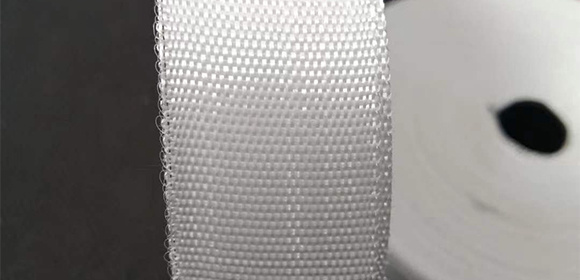
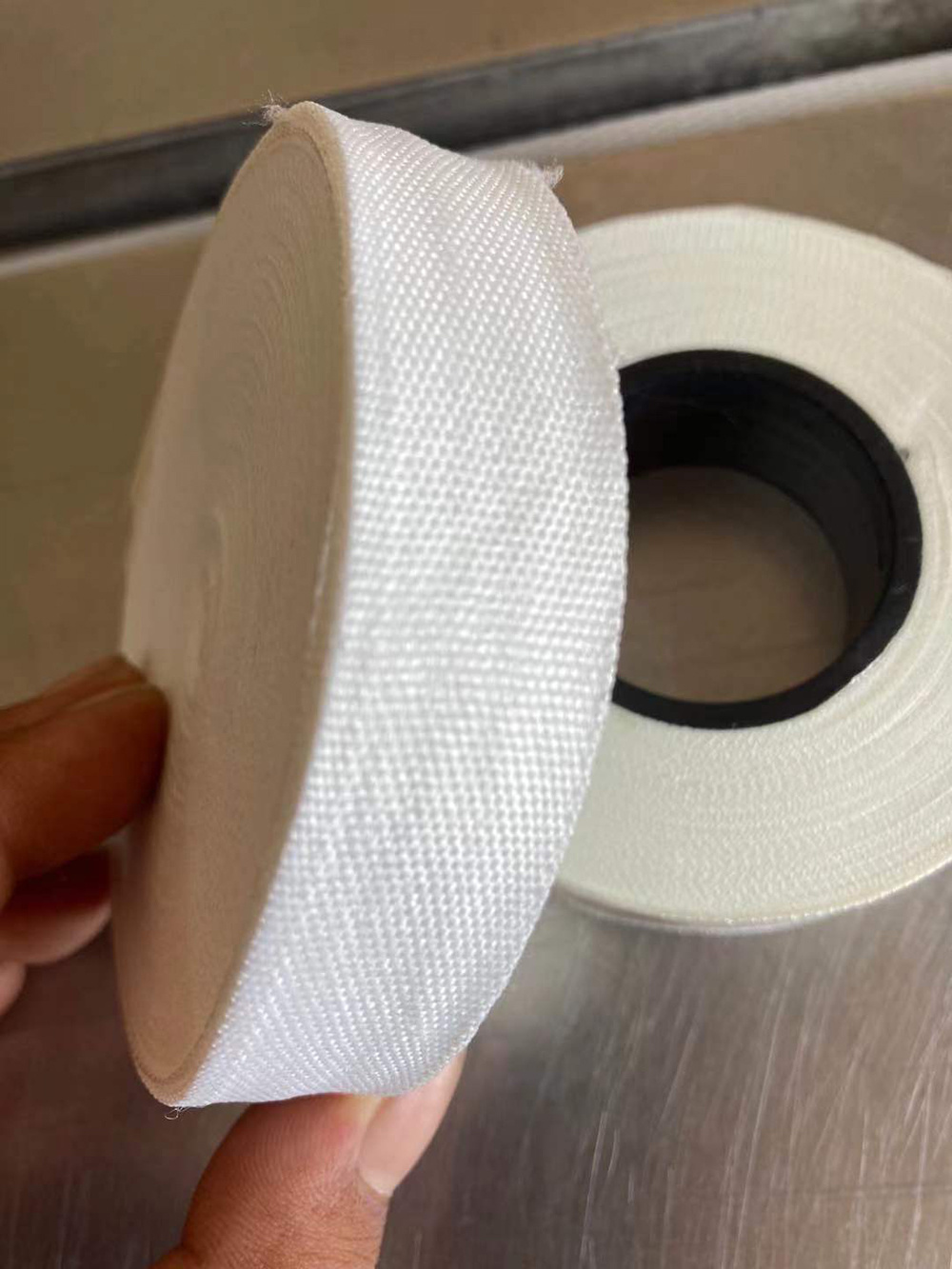
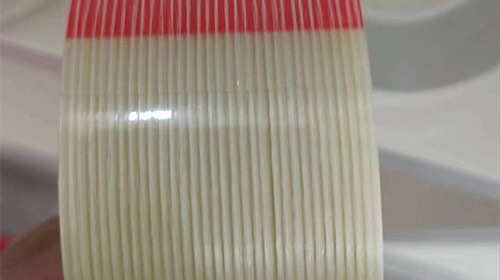
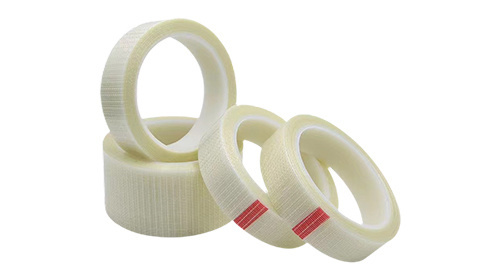
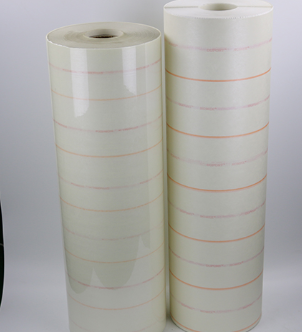
Fiber glass tape, a crucial component in the electrical insulation sector, is known for its remarkable combination of durability, flexibility, and heat resistance. This type of tape is woven from fine glass fibers, making it exceptionally strong and resistant to various environmental factors. As professionals in electrical engineering and insulation materials, understanding the benefits and applications of fiber glass tape can significantly enhance the quality and safety of your projects.
One of the primary advantages of fiber glass tape is its excellent thermal resistance. It can withstand high temperatures without degrading, making it suitable for applications in environments where heat is a critical concern. This property is particularly beneficial for insulating wires and cables that may be exposed to elevated temperatures, ensuring that electrical systems continue to function safely and effectively.
In addition to heat resistance, fiber glass tape exhibits superb dielectric strength. This characteristic is essential for electrical insulation, as it prevents the flow of electric current, thereby reducing the risk of short circuits and electrical failures. When used in conjunction with other insulating materials, fiber glass tape enhances the overall performance and reliability of electrical systems.
Moreover, fiber glass tape is resistant to moisture and chemical exposure. This makes it an ideal choice for applications in environments where humidity or chemicals may compromise the integrity of other insulation materials. Its ability to repel moisture helps prevent corrosion and deterioration of electrical components, thereby prolonging their lifespan and maintaining operational efficiency.
The versatility of fiber glass tape extends to its ease of application. It can be easily cut to size and applied to various surfaces, making it an excellent choice for both large-scale electrical installations and smaller, more intricate projects. Whether you are wrapping wires, reinforcing connections, or insulating sensitive components, fiber glass tape can be adapted to meet your specific needs.
When considering fiber glass tape for your electrical insulation projects, it is essential to select the right type and thickness based on your application's requirements. Factors such as the operating temperature, environmental conditions, and electrical load should all be taken into account to ensure optimal performance.
In conclusion, fiber glass tape is an invaluable asset in the electrical insulation industry, offering a combination of thermal resistance, dielectric strength, moisture resistance, and ease of application. By incorporating fiber glass tape into your insulation strategies, you can enhance the safety, durability, and reliability of your electrical systems, ultimately leading to improved performance and reduced maintenance costs. Embracing this versatile material can significantly contribute to the success of your electrical projects.
One of the primary advantages of fiber glass tape is its excellent thermal resistance. It can withstand high temperatures without degrading, making it suitable for applications in environments where heat is a critical concern. This property is particularly beneficial for insulating wires and cables that may be exposed to elevated temperatures, ensuring that electrical systems continue to function safely and effectively.
In addition to heat resistance, fiber glass tape exhibits superb dielectric strength. This characteristic is essential for electrical insulation, as it prevents the flow of electric current, thereby reducing the risk of short circuits and electrical failures. When used in conjunction with other insulating materials, fiber glass tape enhances the overall performance and reliability of electrical systems.
Moreover, fiber glass tape is resistant to moisture and chemical exposure. This makes it an ideal choice for applications in environments where humidity or chemicals may compromise the integrity of other insulation materials. Its ability to repel moisture helps prevent corrosion and deterioration of electrical components, thereby prolonging their lifespan and maintaining operational efficiency.
The versatility of fiber glass tape extends to its ease of application. It can be easily cut to size and applied to various surfaces, making it an excellent choice for both large-scale electrical installations and smaller, more intricate projects. Whether you are wrapping wires, reinforcing connections, or insulating sensitive components, fiber glass tape can be adapted to meet your specific needs.
When considering fiber glass tape for your electrical insulation projects, it is essential to select the right type and thickness based on your application's requirements. Factors such as the operating temperature, environmental conditions, and electrical load should all be taken into account to ensure optimal performance.
In conclusion, fiber glass tape is an invaluable asset in the electrical insulation industry, offering a combination of thermal resistance, dielectric strength, moisture resistance, and ease of application. By incorporating fiber glass tape into your insulation strategies, you can enhance the safety, durability, and reliability of your electrical systems, ultimately leading to improved performance and reduced maintenance costs. Embracing this versatile material can significantly contribute to the success of your electrical projects.


Phone/WhatsApp:
Email:
About Us
We firmly believe that by working together with global partners, we can jointly create a bright future for the electrical insulation materials industry.


Leave Message
If you have any queries about us or our product(s), feel free to drop us a message.