
Understanding High Temperature Insulation Tape: A Comprehensive Guide for Professionals
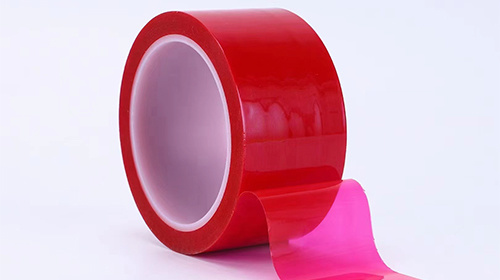
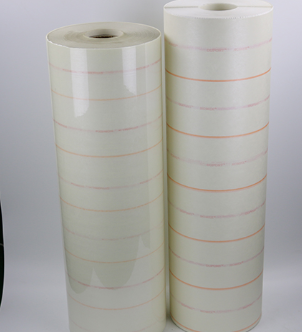
High temperature insulation tape is a crucial material in the electrical and insulation industry, particularly for applications that involve high heat and demanding environments. This type of tape is engineered to withstand extreme temperatures, providing essential insulation and protection to electrical components, wiring, and other critical installations.
One of the key benefits of high temperat
High temperature insulation tape is a crucial material in the electrical and insulation industry, particularly for applications that involve high heat and demanding environments. This type of tape is engineered to withstand extreme temperatures, providing essential insulation and protection to electrical components, wiring, and other critical installations.
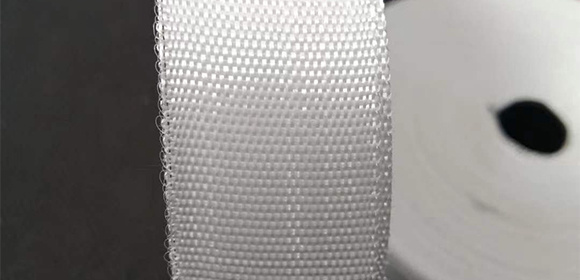
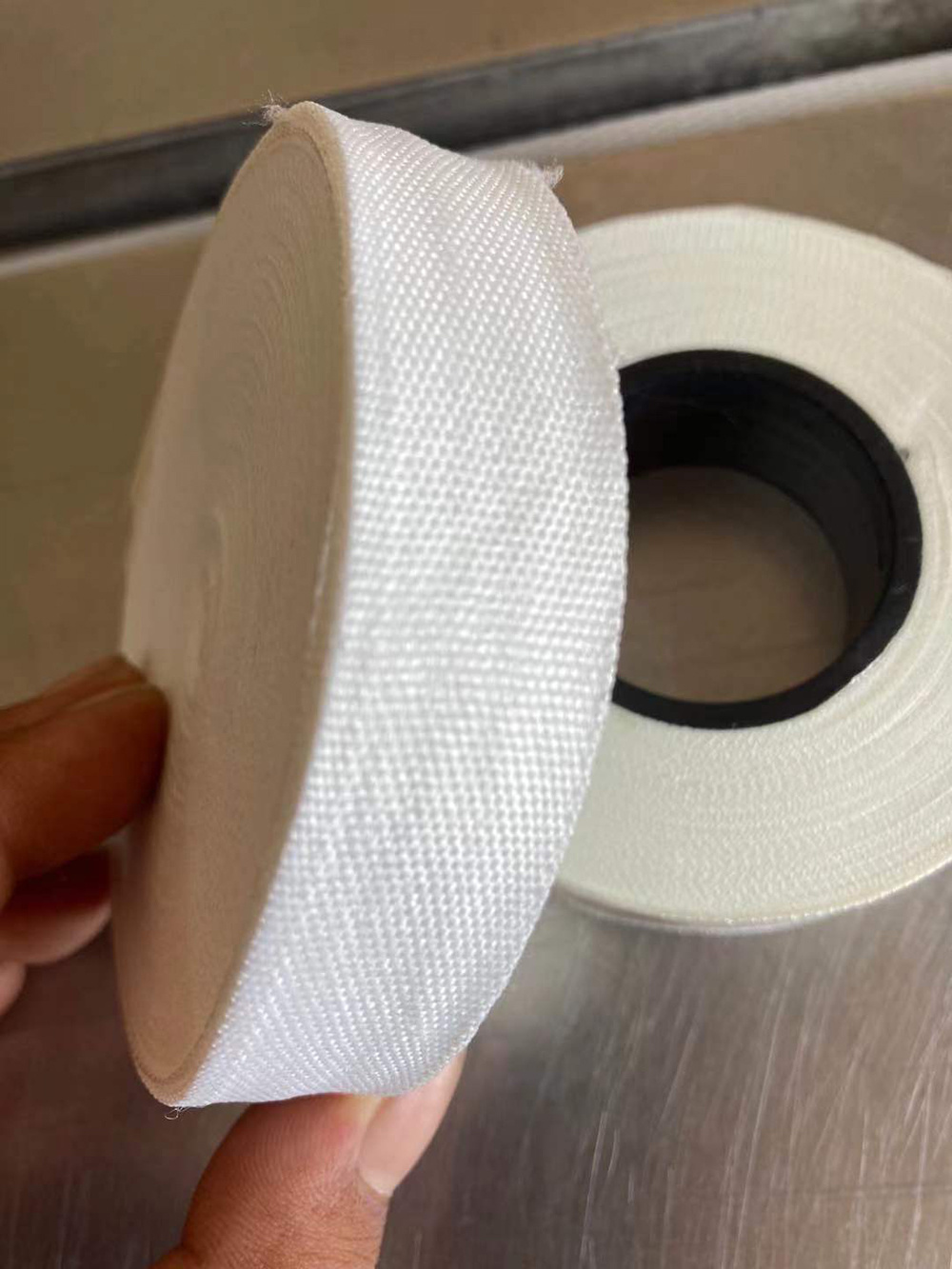
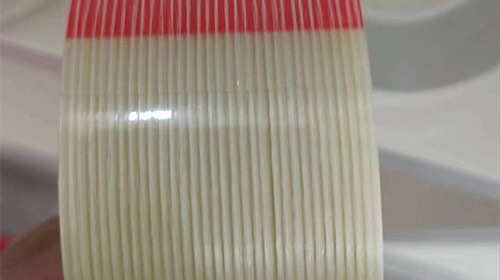
One of the key benefits of high temperature insulation tape is its ability to maintain performance under elevated thermal conditions. Typically made from materials such as silicone, fiberglass, or polyimide, these tapes can resist temperatures that exceed 200°C (392°F), making them ideal for use in applications such as motor windings, aerospace components, and industrial machinery.
In addition to heat resistance, high temperature insulation tape offers excellent electrical insulation properties. This means that it can effectively prevent electrical leakage, ensuring the safety and efficiency of electrical systems. The tape's dielectric strength helps to avoid short circuits and protects sensitive components from thermal damage, thereby prolonging the lifespan of equipment.
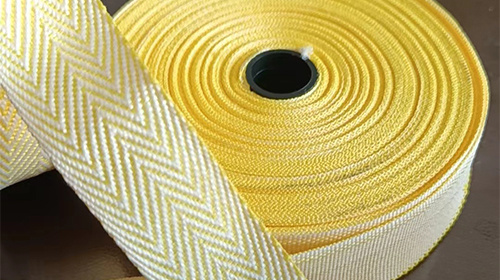
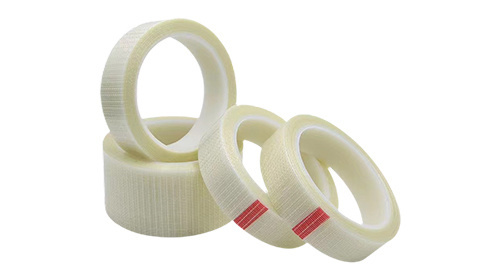
Another advantage of high temperature insulation tape is its versatility. It comes in various thicknesses and widths, allowing professionals to select the appropriate tape for specific applications. Many high temperature tapes are designed to be flexible and easy to work with, enabling technicians to wrap around complex shapes, joints, and other irregular surfaces with ease.
Moreover, high temperature insulation tape is often resistant to chemicals, moisture, and abrasions, making it suitable for use in harsh environments. This durability ensures that the tape remains intact and effective even when exposed to oils, solvents, or other potentially damaging substances.
When selecting high temperature insulation tape, it’s important to consider the specific requirements of the project at hand. Factors such as the maximum operating temperature, required electrical insulation properties, and environmental conditions should all be taken into account to ensure optimal performance.
In summary, high temperature insulation tape is an indispensable resource for professionals in the electrical and insulation sectors. Its unique properties provide reliable insulation and protection against heat and electrical hazards, making it a preferred choice for a variety of applications. By understanding the capabilities and benefits of high temperature insulation tape, professionals can make informed decisions that enhance the safety and efficiency of their projects.
One of the key benefits of high temperature insulation tape is its ability to maintain performance under elevated thermal conditions. Typically made from materials such as silicone, fiberglass, or polyimide, these tapes can resist temperatures that exceed 200°C (392°F), making them ideal for use in applications such as motor windings, aerospace components, and industrial machinery.
In addition to heat resistance, high temperature insulation tape offers excellent electrical insulation properties. This means that it can effectively prevent electrical leakage, ensuring the safety and efficiency of electrical systems. The tape's dielectric strength helps to avoid short circuits and protects sensitive components from thermal damage, thereby prolonging the lifespan of equipment.
Another advantage of high temperature insulation tape is its versatility. It comes in various thicknesses and widths, allowing professionals to select the appropriate tape for specific applications. Many high temperature tapes are designed to be flexible and easy to work with, enabling technicians to wrap around complex shapes, joints, and other irregular surfaces with ease.
Moreover, high temperature insulation tape is often resistant to chemicals, moisture, and abrasions, making it suitable for use in harsh environments. This durability ensures that the tape remains intact and effective even when exposed to oils, solvents, or other potentially damaging substances.
When selecting high temperature insulation tape, it’s important to consider the specific requirements of the project at hand. Factors such as the maximum operating temperature, required electrical insulation properties, and environmental conditions should all be taken into account to ensure optimal performance.
In summary, high temperature insulation tape is an indispensable resource for professionals in the electrical and insulation sectors. Its unique properties provide reliable insulation and protection against heat and electrical hazards, making it a preferred choice for a variety of applications. By understanding the capabilities and benefits of high temperature insulation tape, professionals can make informed decisions that enhance the safety and efficiency of their projects.


Phone/WhatsApp:
Email:
About Us
We firmly believe that by working together with global partners, we can jointly create a bright future for the electrical insulation materials industry.


Leave Message
If you have any queries about us or our product(s), feel free to drop us a message.