
Why Fiber Glass Tape is Essential for Electrical Projects
Why Fiber Glass Tape is Essential for Electrical Projects
Table of Contents
Introduction to Fiber Glass Tape
What is Fiber Glass Tape?
Unique Properties of Fiber Glass Tape
Applications of Fiber Glass Tape in Electrical Projects
Advantages of Using Fiber Glass Tape
Proper Usage Techniques for Fiber Glass Tape
Common Misconceptions about Fiber Glass Ta
Why Fiber Glass Tape is Essential for Electrical Projects
Table of Contents
- Introduction to Fiber Glass Tape
- What is Fiber Glass Tape?
- Unique Properties of Fiber Glass Tape
- Applications of Fiber Glass Tape in Electrical Projects
- Advantages of Using Fiber Glass Tape
- Proper Usage Techniques for Fiber Glass Tape
- Common Misconceptions about Fiber Glass Tape
- Frequently Asked Questions
- Conclusion
Introduction to Fiber Glass Tape
In the realm of electrical projects, ensuring optimal safety and performance is paramount. One of the unsung heroes in this field is **fiber glass tape**. This versatile and durable material has become a staple for electricians and engineers alike. In this article, we will delve deep into why fiber glass tape is essential for electrical projects, exploring its properties, applications, and the benefits it offers.
What is Fiber Glass Tape?
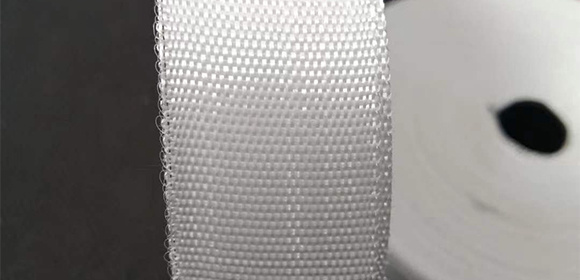
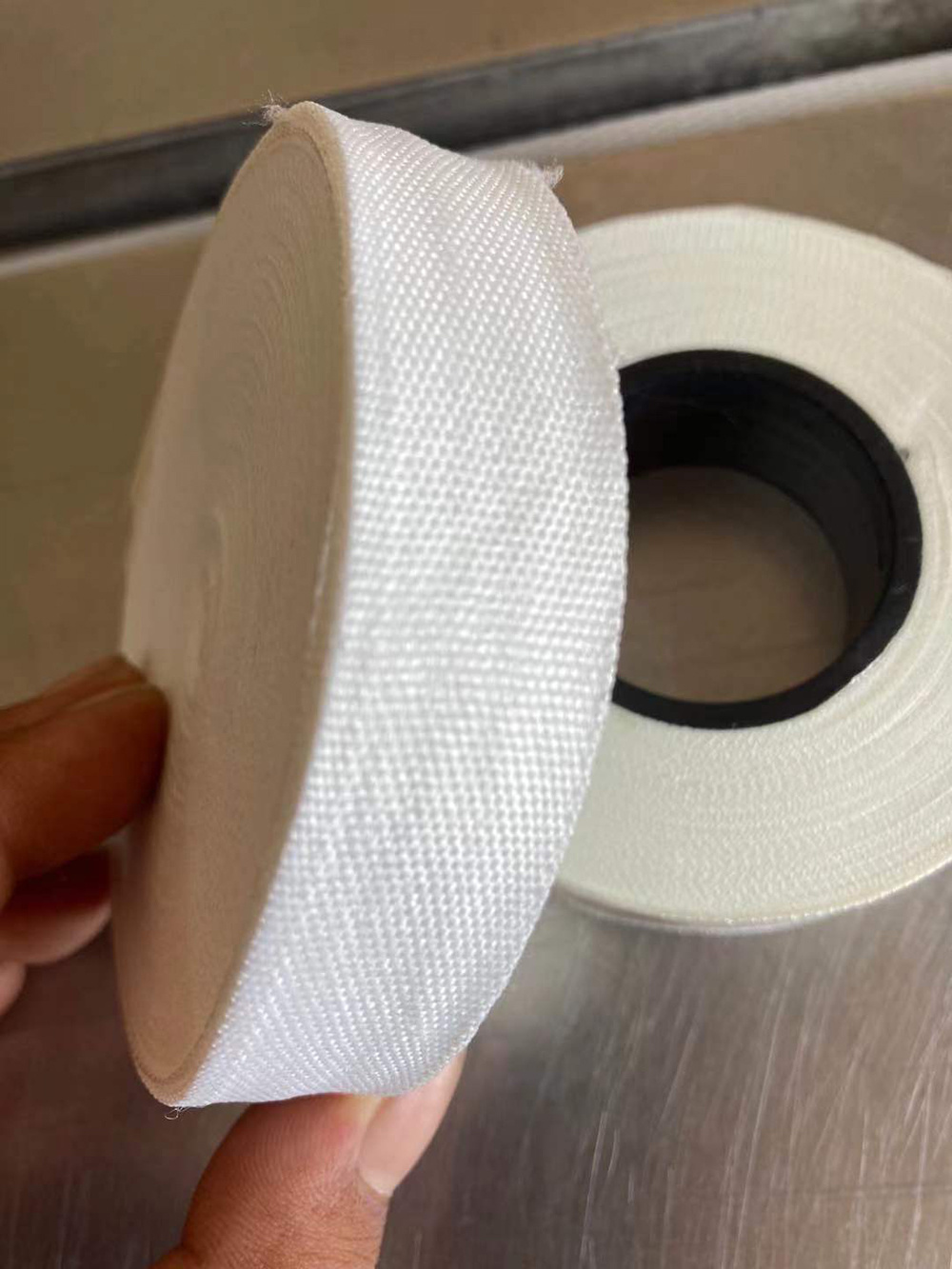
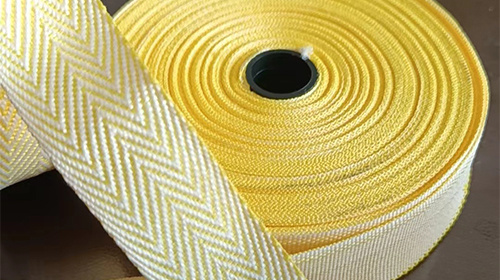
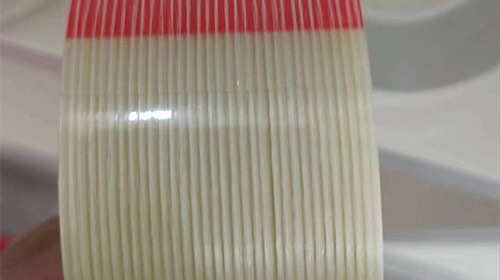
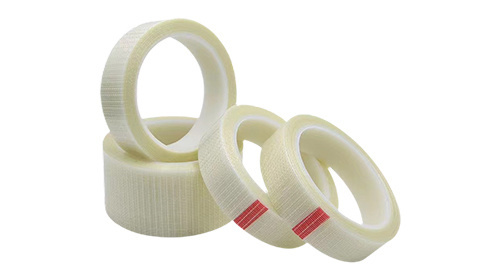
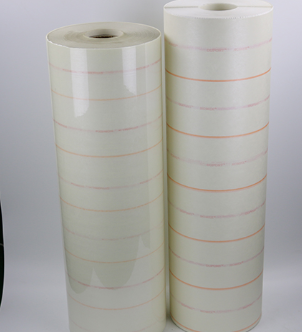
Fiber glass tape is a type of insulation tape made from woven glass fibers. It is designed to provide excellent electrical insulation and mechanical strength. The composition of fiber glass tape allows it to withstand high temperatures, making it ideal for use in environments where heat resistance is critical. Unlike traditional electrical tape, which is often made from rubber or vinyl, fiber glass tape excels in both durability and reliability.
Composition of Fiber Glass Tape
Typically, fiber glass tape is composed of a fiberglass substrate coated with a layer of adhesive. The fiberglass provides strength and thermal stability, while the adhesive ensures that the tape adheres firmly to various surfaces, creating a secure seal.
Types of Fiber Glass Tape
There are several types of fiber glass tape available, including:
- High-temperature fiber glass tape, designed for extreme conditions.
- Self-adhesive fiber glass tape, which simplifies application.
- Non-adhesive fiber glass tape, often used for wrapping and bundling.
Unique Properties of Fiber Glass Tape
Understanding the unique properties of fiber glass tape can help professionals make informed decisions during their electrical projects.
High Temperature Resistance
One of the standout features of fiber glass tape is its ability to withstand high temperatures. This makes it suitable for applications near electrical components that generate heat, such as motors and transformers.
Electrical Insulation
Fiber glass tape provides excellent electrical insulation, preventing short circuits and ensuring the safe operation of electrical systems. This property is crucial in maintaining the integrity of electrical installations.
Mechanical Strength
The woven nature of fiber glass gives this tape considerable mechanical strength. It resists tearing and stretching, ensuring that it maintains its integrity even under stress.
Chemical Resistance
Fiber glass tape is resistant to many chemicals, making it suitable for use in environments where exposure to oils, solvents, and other potentially damaging substances is possible.
Applications of Fiber Glass Tape in Electrical Projects
Fiber glass tape is utilized in a variety of electrical applications, enhancing both performance and safety.
Insulation for Wiring
Electricians often use fiber glass tape to insulate wiring. By wrapping wires with this tape, professionals can prevent short circuits and ensure that electrical connections remain secure.
Heat Shielding
In projects where wires and components are exposed to high temperatures, fiber glass tape acts as an effective heat shield, protecting sensitive materials from heat damage.
Bundling Cables
Fiber glass tape is ideal for bundling cables together, providing organization and protection. This is particularly useful in complex electrical installations, where multiple wires need to be managed.
Repairing Damaged Insulation
In instances where insulation is compromised, fiber glass tape can be used as a quick and effective repair solution, restoring the integrity of the electrical system.
Advantages of Using Fiber Glass Tape
The use of fiber glass tape in electrical projects offers numerous advantages that contribute to overall project success.
Enhanced Safety
By providing reliable insulation and heat resistance, fiber glass tape enhances safety in electrical projects, reducing the risk of electrical fires and malfunctions.
Durability and Longevity
Fiber glass tape is designed to last. Its resistance to heat, chemicals, and mechanical stress ensures that it maintains its properties over time, making it a cost-effective choice for long-term use.
Easy Application
Using fiber glass tape is straightforward, allowing electricians to complete their work efficiently. The self-adhesive options simplify the application process.
Cost-Effectiveness
Given its durability and multifunctionality, fiber glass tape can be a more cost-effective solution compared to other insulating materials, reducing the need for frequent replacements.
Proper Usage Techniques for Fiber Glass Tape
To maximize the benefits of fiber glass tape, it is crucial to understand the proper usage techniques.
Preparation of Surfaces
Before applying fiber glass tape, ensure that the surfaces are clean and dry. This promotes better adhesion and enhances the tape's effectiveness.
Application Method
When applying fiber glass tape, start at one end of the wire or component and wrap it tightly, overlapping each layer by about half to ensure complete coverage.
Trimming and Sealing
After wrapping, trim the tape to the desired length and seal the edges securely to prevent peeling.
Common Misconceptions about Fiber Glass Tape
Despite its advantages, several misconceptions about fiber glass tape persist in the industry.
Misconception 1: Fiber Glass Tape is Only for High Temperatures
While fiber glass tape is excellent for high temperatures, it is also suitable for lower-temperature applications, making it versatile across various environments.
Misconception 2: Fiber Glass Tape is Difficult to Work With
Contrary to this belief, fiber glass tape is user-friendly and can be easily applied with minimal training, making it accessible for professionals at all skill levels.
Misconception 3: Fiber Glass Tape is Only for Electrical Applications
Fiber glass tape has numerous applications beyond electrical projects, including automotive, aerospace, and construction industries, demonstrating its versatility.
Frequently Asked Questions
1. Can fiber glass tape be used outdoors?
Yes, fiber glass tape is suitable for outdoor use, thanks to its resistance to moisture and UV rays.
2. Is fiber glass tape reusable?
Generally, fiber glass tape is designed for single-use applications. Once it is applied, it is not intended to be removed and reused.
3. How does fiber glass tape compare to electrical tape?
Fiber glass tape offers superior heat resistance and mechanical strength compared to standard electrical tape, making it a better choice for high-stress applications.
4. Can I paint over fiber glass tape?
Yes, fiber glass tape can be painted over once it is securely applied, allowing it to blend seamlessly with other surfaces.
5. What is the lifespan of fiber glass tape?
The lifespan of fiber glass tape can vary based on usage and environmental conditions, but it is designed to be durable and long-lasting.
Conclusion
In summary, fiber glass tape is an essential tool for any electrical project. Its unique properties, including high-temperature resistance, electrical insulation, and mechanical strength, make it a preferred choice among professionals. By understanding its applications and benefits, electricians can enhance safety, efficiency, and durability in their work. Whether you're insulating wiring, bundling cables, or repairing insulation, fiber glass tape proves to be an invaluable resource in the field. Embracing this versatile material can significantly improve the quality and reliability of electrical installations.


Phone/WhatsApp:
Email:
About Us
We firmly believe that by working together with global partners, we can jointly create a bright future for the electrical insulation materials industry.


Leave Message
If you have any queries about us or our product(s), feel free to drop us a message.