
The Essential Guide to Fiber Glass Tape in Electrical Insulation
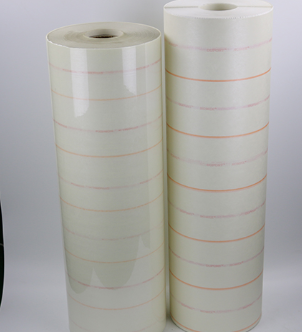
Fiber glass tape is an industrial product primarily used in electrical insulation applications. Comprised of woven fiberglass fibers, this tape boasts remarkable strength and durability, making it an excellent choice for various electrical projects. Its effectiveness lies in its ability to withstand high temperatures and resist electrical conductivity, which is vital when ensuring safety and effic
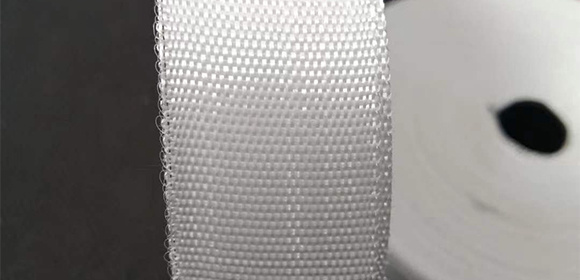
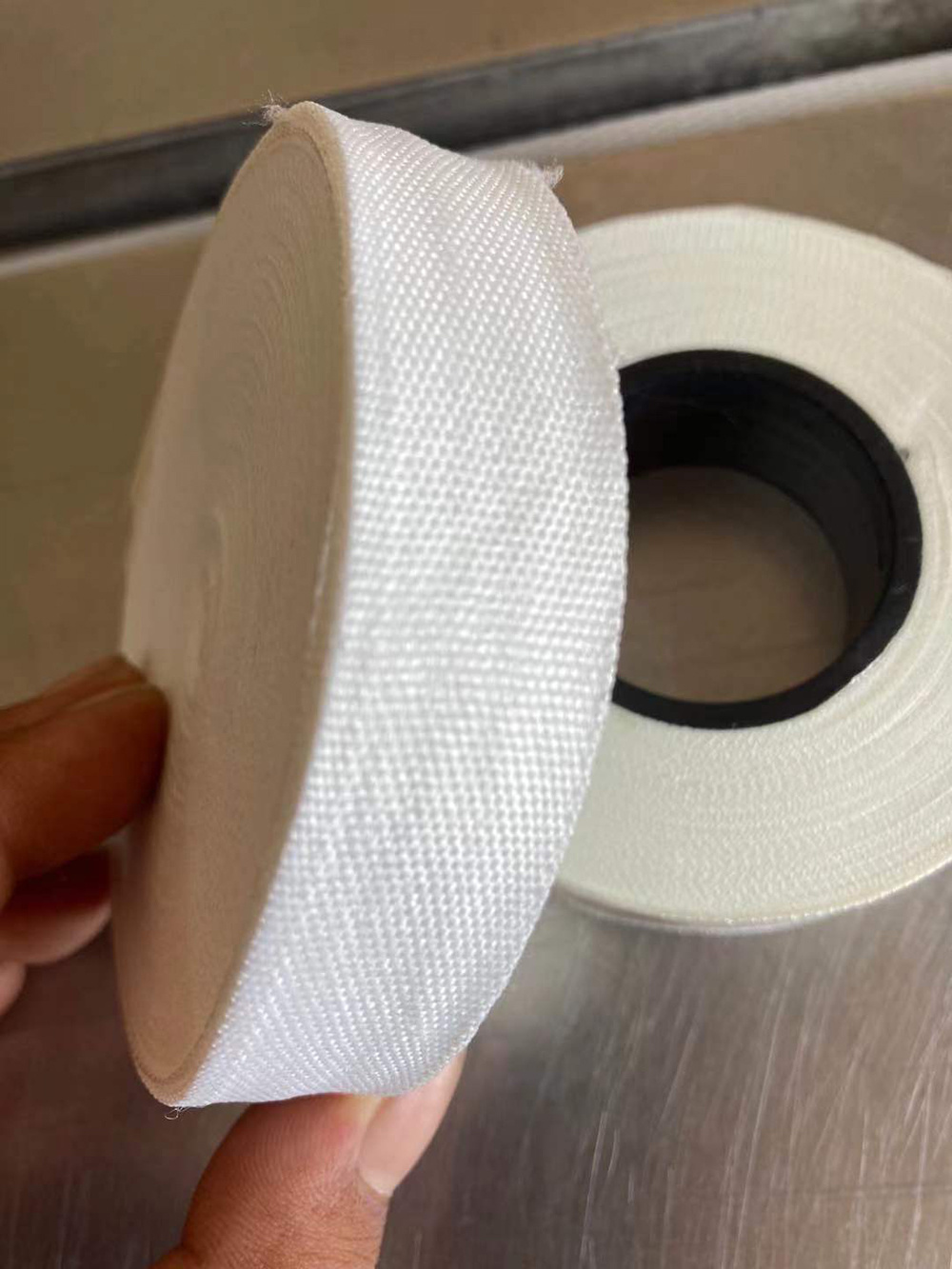
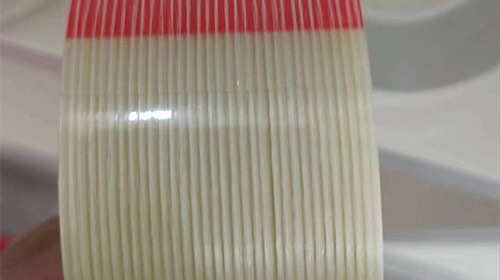
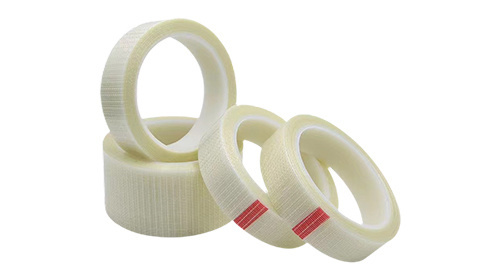
Fiber glass tape is an industrial product primarily used in electrical insulation applications. Comprised of woven fiberglass fibers, this tape boasts remarkable strength and durability, making it an excellent choice for various electrical projects. Its effectiveness lies in its ability to withstand high temperatures and resist electrical conductivity, which is vital when ensuring safety and efficiency in electrical systems.
One of the key features of fiber glass tape is its high tensile strength. This means that it can endure significant mechanical stress without tearing or losing its structural integrity. In environments where insulation must withstand physical wear and tear, such as in motors, transformers, and other electrical equipment, fiber glass tape proves to be an invaluable asset.
Moreover, fiber glass tape is inherently non-conductive. This property is crucial in preventing electrical short circuits, which can lead to equipment failure or even hazardous situations. By using fiber glass tape, professionals can enhance the safety of their electrical installations, ensuring that they meet industry standards and regulations.
Temperature resistance is another vital characteristic of fiber glass tape. It can typically withstand temperatures ranging from -40°C to 155°C (-40°F to 311°F), depending on the specific formulation. This wide temperature range allows it to be used in various applications without the risk of degrading or losing its insulating properties. This resistance to heat makes it suitable for use in high-temperature environments, such as industrial settings or electric motors, where heat buildup can be a concern.
In addition to its physical properties, fiber glass tape is also resistant to moisture, chemicals, and environmental factors. This resistance helps maintain the integrity of electrical systems over time, reducing the risk of corrosion or deterioration that could lead to failures. In applications where exposure to harsh chemicals or humid conditions is a concern, using fiber glass tape can provide an additional layer of protection.
Installation of fiber glass tape is relatively straightforward, making it easy for electricians and technicians to apply in various settings. It can be used in conjunction with other insulating materials to create a comprehensive insulation system that meets specific project requirements.
In summary, fiber glass tape is an essential component in the realm of electrical insulation. Its unique combination of high tensile strength, non-conductive properties, temperature resilience, and resistance to moisture and chemicals makes it a crucial choice for professionals in the electrical industry. Whether you are working on new installations or maintenance, understanding the benefits and properties of fiber glass tape can significantly impact the longevity and safety of your electrical systems.
One of the key features of fiber glass tape is its high tensile strength. This means that it can endure significant mechanical stress without tearing or losing its structural integrity. In environments where insulation must withstand physical wear and tear, such as in motors, transformers, and other electrical equipment, fiber glass tape proves to be an invaluable asset.
Moreover, fiber glass tape is inherently non-conductive. This property is crucial in preventing electrical short circuits, which can lead to equipment failure or even hazardous situations. By using fiber glass tape, professionals can enhance the safety of their electrical installations, ensuring that they meet industry standards and regulations.
Temperature resistance is another vital characteristic of fiber glass tape. It can typically withstand temperatures ranging from -40°C to 155°C (-40°F to 311°F), depending on the specific formulation. This wide temperature range allows it to be used in various applications without the risk of degrading or losing its insulating properties. This resistance to heat makes it suitable for use in high-temperature environments, such as industrial settings or electric motors, where heat buildup can be a concern.
In addition to its physical properties, fiber glass tape is also resistant to moisture, chemicals, and environmental factors. This resistance helps maintain the integrity of electrical systems over time, reducing the risk of corrosion or deterioration that could lead to failures. In applications where exposure to harsh chemicals or humid conditions is a concern, using fiber glass tape can provide an additional layer of protection.
Installation of fiber glass tape is relatively straightforward, making it easy for electricians and technicians to apply in various settings. It can be used in conjunction with other insulating materials to create a comprehensive insulation system that meets specific project requirements.
In summary, fiber glass tape is an essential component in the realm of electrical insulation. Its unique combination of high tensile strength, non-conductive properties, temperature resilience, and resistance to moisture and chemicals makes it a crucial choice for professionals in the electrical industry. Whether you are working on new installations or maintenance, understanding the benefits and properties of fiber glass tape can significantly impact the longevity and safety of your electrical systems.


Phone/WhatsApp:
Email:
About Us
We firmly believe that by working together with global partners, we can jointly create a bright future for the electrical insulation materials industry.


Leave Message
If you have any queries about us or our product(s), feel free to drop us a message.