
Understanding the Advantages of DuPont Nomex 410 Insulating Paper for Electrical Applications
Understanding the Advantages of DuPont Nomex 410 Insulating Paper for Electrical Applications
Table of Contents
1. Introduction to DuPont Nomex 410 Insulating Paper
2. Key Properties of Nomex 410 Insulating Paper
2.1 Thermal Stability and Performance
2.2 Chemical Resistance
2.3 Dielectric Strength
3. Applications of DuPont Nomex 41
Understanding the Advantages of DuPont Nomex 410 Insulating Paper for Electrical Applications
Table of Contents
- 1. Introduction to DuPont Nomex 410 Insulating Paper
- 2. Key Properties of Nomex 410 Insulating Paper
- 3. Applications of DuPont Nomex 410 Insulating Paper
- 4. Advantages of Using Nomex 410 in Electrical Applications
- 5. Comparison with Other Insulating Materials
- 6. Case Studies: Successful Implementation of Nomex 410
- 7. Frequently Asked Questions (FAQs)
- 8. Conclusion
1. Introduction to DuPont Nomex 410 Insulating Paper
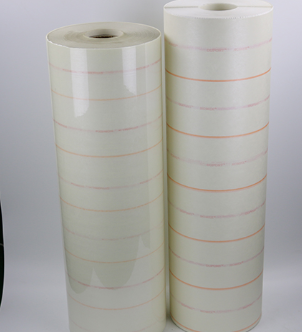
DuPont Nomex 410 insulating paper is a high-performance electrical insulation material that has gained significant traction in the electrical industry. Its unique properties render it suitable for applications requiring exceptional thermal, mechanical, and electrical performance. As electrical systems continue to evolve, understanding the advantages and applications of Nomex 410 has become increasingly important for manufacturers, engineers, and industry stakeholders.
2. Key Properties of Nomex 410 Insulating Paper
Nomex 410 is renowned for its remarkable properties, making it a preferred choice in demanding electrical applications.
2.1 Thermal Stability and Performance
One of the standout features of Nomex 410 is its thermal stability. It can withstand continuous temperatures of up to **200°C (392°F)**, making it ideal for applications where heat generation is a concern. This thermal resilience ensures that electrical components maintain optimal performance without risk of degradation or failure due to heat exposure.
2.2 Chemical Resistance
Nomex 410 demonstrates excellent resistance to a variety of chemicals, including oils, solvents, and fuels. This property not only extends the longevity of the material but also ensures that it remains stable in harsh environments, protecting electrical components from chemical corrosion.
2.3 Dielectric Strength
The dielectric strength of Nomex 410 is another crucial characteristic, measuring around **20 kV/mm**. This high dielectric strength allows the material to prevent electrical breakdown, making it an ideal insulator in high-voltage applications.
3. Applications of DuPont Nomex 410 Insulating Paper
The versatility of Nomex 410 means it can be used in various electrical applications, ensuring safety and efficiency.
3.1 Use in Electric Motors
Electric motors rely on effective insulation to operate safely and efficiently. Nomex 410 is commonly used as a winding insulation material, providing the necessary thermal and electrical stability to ensure long-term performance.
3.2 Applications in Transformers
Transformers require insulation that can handle significant heat and electrical stress. Nomex 410 is utilized in transformer insulation systems, helping to maintain performance while minimizing the risk of failures.
3.3 Insulation for Electrical Cables
Insulating electrical cables with Nomex 410 enhances their performance by providing robust protection against heat and electrical stress. This application is critical in maintaining the integrity of power transmission systems.
4. Advantages of Using Nomex 410 in Electrical Applications
The benefits of choosing Nomex 410 extend beyond its impressive properties.
4.1 Increased Reliability
Using Nomex 410 in electrical applications significantly increases the reliability of components. Its ability to withstand extreme temperatures and resist chemical exposure minimizes the likelihood of breakdowns, ensuring that systems operate smoothly.
4.2 Enhanced Safety
The high dielectric strength of Nomex 410 provides an added layer of safety in electrical applications. It reduces the risk of electrical shock and fire hazards, making it a preferred choice for safety-conscious manufacturers and engineers.
4.3 Sustainability Factors
Nomex 410 is produced from a sustainable process, contributing to eco-friendly practices in the electrical industry. Its long life cycle and recyclability further enhance its sustainability profile, making it a responsible choice for environmentally conscious organizations.
5. Comparison with Other Insulating Materials
When selecting insulating materials for electrical applications, it's essential to compare options. Nomex 410 stands out against traditional materials like polyester and PVC in terms of thermal endurance and chemical resistance. While polyester may be cheaper, it does not offer the same level of thermal stability or dielectric strength, making Nomex 410 a more reliable choice for high-performance applications.
6. Case Studies: Successful Implementation of Nomex 410
Numerous case studies highlight the successful implementation of Nomex 410 in various electrical applications. For instance, in a leading automotive manufacturer, Nomex 410 insulating paper was used in electric motor production. This decision led to a significant reduction in motor failures and increased overall efficiency, showcasing the material's effectiveness in real-world scenarios.
7. Frequently Asked Questions (FAQs)
What is DuPont Nomex 410 insulating paper?
DuPont Nomex 410 is a high-performance insulating paper designed for electrical applications, known for its thermal, mechanical, and electrical properties.
What are the main benefits of using Nomex 410?
The primary benefits include thermal stability, chemical resistance, high dielectric strength, increased reliability, and enhanced safety.
In what applications is Nomex 410 commonly used?
Nomex 410 is often used in electric motors, transformers, and electrical cables, among other applications.
How does Nomex 410 compare to polyester insulation?
Compared to polyester, Nomex 410 offers superior thermal endurance, chemical resistance, and electrical stability.
Is Nomex 410 environmentally friendly?
Yes, Nomex 410 is produced sustainably, has a long life cycle, and is recyclable, making it an eco-friendly choice.
8. Conclusion
DuPont Nomex 410 insulating paper represents a breakthrough in electrical insulation technology, offering superior performance across a range of applications. Its exceptional thermal stability, chemical resistance, and high dielectric strength make it indispensable for manufacturers and engineers seeking reliable and safe solutions. By choosing Nomex 410, stakeholders can significantly enhance the durability and efficiency of their electrical systems, ensuring long-term success in an increasingly competitive industry.


Phone/WhatsApp:
Email:
About Us
We firmly believe that by working together with global partners, we can jointly create a bright future for the electrical insulation materials industry.


Leave Message
If you have any queries about us or our product(s), feel free to drop us a message.