
Understanding High Temperature Insulation Tape: Essential Insights for Electrical Applications
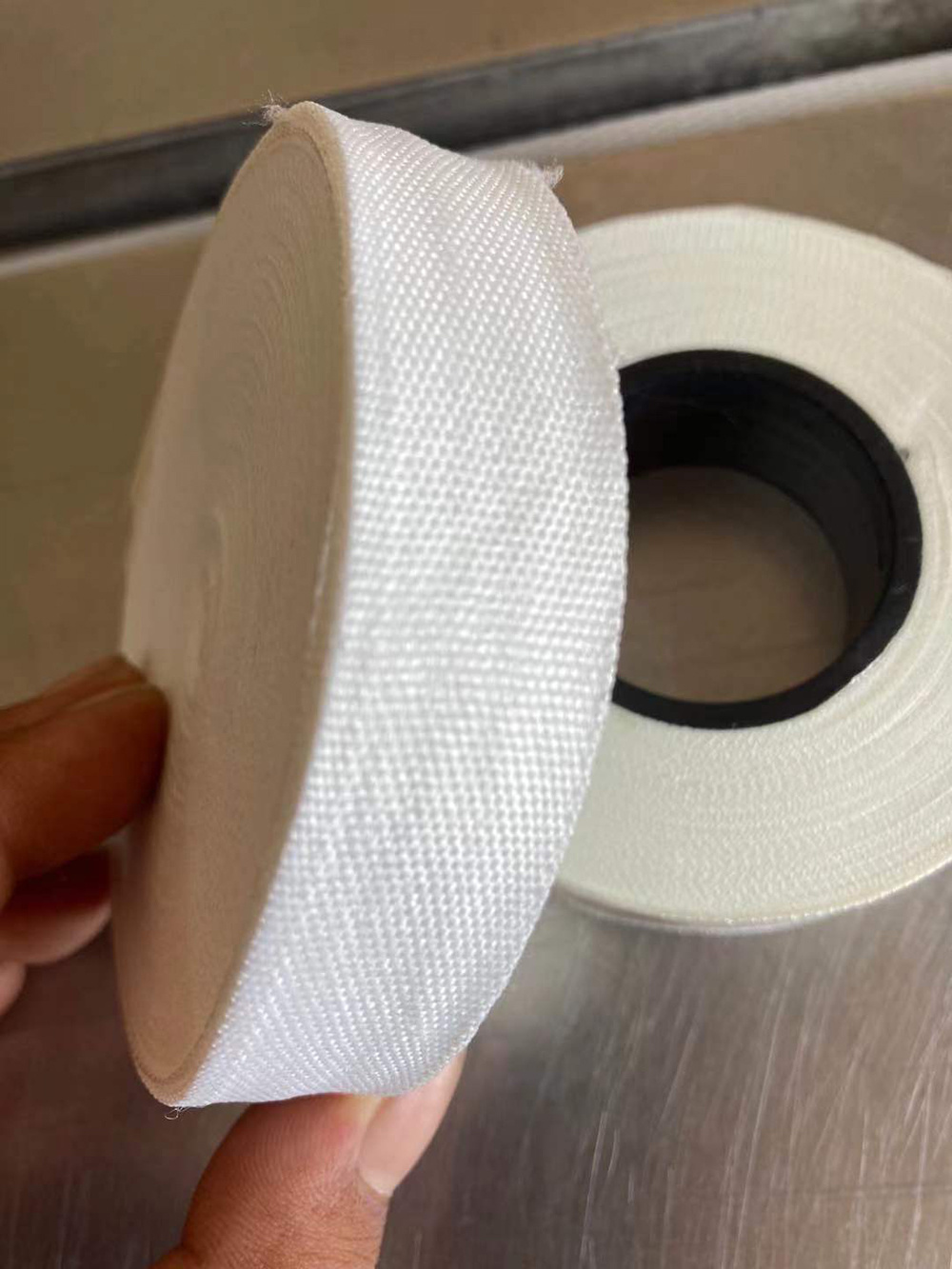
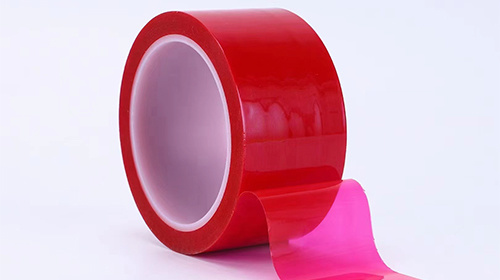
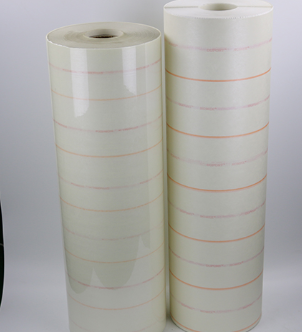
High temperature insulation tape is a crucial component in the electrical and electronics industry, specifically in applications where resistance to elevated temperatures is essential. This type of tape is designed to withstand high thermal conditions while providing excellent electrical insulation, making it an indispensable material for many industrial and commercial processes.
One of the primar
High temperature insulation tape is a crucial component in the electrical and electronics industry, specifically in applications where resistance to elevated temperatures is essential. This type of tape is designed to withstand high thermal conditions while providing excellent electrical insulation, making it an indispensable material for many industrial and commercial processes.
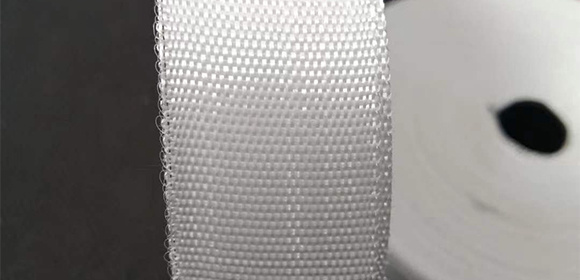
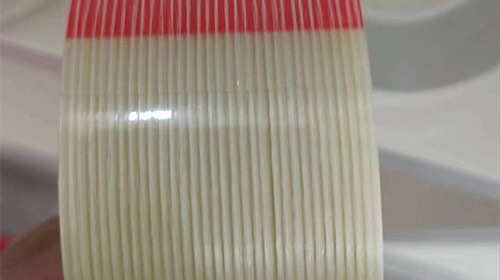
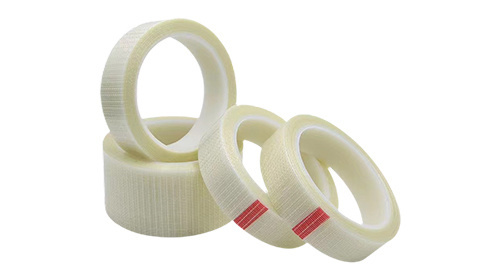
One of the primary characteristics of high temperature insulation tape is its ability to endure extreme heat. Typically, these tapes can handle temperatures ranging from 150°C (302°F) to as high as 260°C (500°F). This capability is vital in industries such as automotive, aerospace, and manufacturing, where components are often exposed to high-temperature environments. The materials used in these tapes, such as polyimide, fiberglass, or silicone, contribute to their thermal stability and performance.
In addition to high-temperature resistance, this insulation tape offers remarkable electrical insulating properties. It helps to prevent electrical shorts and failures, which can occur when wires or components come into contact with one another due to heat-related expansion. By effectively insulating electrical parts, high temperature insulation tape enhances the safety and reliability of electrical systems.
Another significant advantage of high temperature insulation tape is its durability. These tapes are often resistant to chemicals, moisture, and abrasion, which extends their lifespan in challenging environments. This durability reduces the need for frequent replacements, thereby lowering maintenance costs and downtime in various applications.
High temperature insulation tape can be used in a variety of applications, such as wrapping electrical wires, insulating motor windings, and protecting sensitive components during soldering or other heat-intensive processes. For professionals in the electrical field, understanding the appropriate tape for specific applications is essential to ensure optimal performance and safety.
When selecting high temperature insulation tape, factors such as adhesion strength, thickness, and the specific temperature rating should be considered. Each application may have unique requirements that dictate the type of tape needed. For example, in automotive applications, it is crucial to choose a tape that can withstand the specific heat and environmental conditions encountered in engines or electrical systems.
In conclusion, high temperature insulation tape is an essential material in the electrical and electronics industry, providing effective thermal and electrical insulation in demanding environments. Understanding its properties, applications, and benefits can help professionals make informed decisions, ensuring the reliability and safety of their electrical systems. Whether for industrial use or specialized applications, investing in quality high temperature insulation tape is key to achieving optimal performance.
One of the primary characteristics of high temperature insulation tape is its ability to endure extreme heat. Typically, these tapes can handle temperatures ranging from 150°C (302°F) to as high as 260°C (500°F). This capability is vital in industries such as automotive, aerospace, and manufacturing, where components are often exposed to high-temperature environments. The materials used in these tapes, such as polyimide, fiberglass, or silicone, contribute to their thermal stability and performance.
In addition to high-temperature resistance, this insulation tape offers remarkable electrical insulating properties. It helps to prevent electrical shorts and failures, which can occur when wires or components come into contact with one another due to heat-related expansion. By effectively insulating electrical parts, high temperature insulation tape enhances the safety and reliability of electrical systems.
Another significant advantage of high temperature insulation tape is its durability. These tapes are often resistant to chemicals, moisture, and abrasion, which extends their lifespan in challenging environments. This durability reduces the need for frequent replacements, thereby lowering maintenance costs and downtime in various applications.
High temperature insulation tape can be used in a variety of applications, such as wrapping electrical wires, insulating motor windings, and protecting sensitive components during soldering or other heat-intensive processes. For professionals in the electrical field, understanding the appropriate tape for specific applications is essential to ensure optimal performance and safety.
When selecting high temperature insulation tape, factors such as adhesion strength, thickness, and the specific temperature rating should be considered. Each application may have unique requirements that dictate the type of tape needed. For example, in automotive applications, it is crucial to choose a tape that can withstand the specific heat and environmental conditions encountered in engines or electrical systems.
In conclusion, high temperature insulation tape is an essential material in the electrical and electronics industry, providing effective thermal and electrical insulation in demanding environments. Understanding its properties, applications, and benefits can help professionals make informed decisions, ensuring the reliability and safety of their electrical systems. Whether for industrial use or specialized applications, investing in quality high temperature insulation tape is key to achieving optimal performance.


Phone/WhatsApp:
Email:
About Us
We firmly believe that by working together with global partners, we can jointly create a bright future for the electrical insulation materials industry.


Leave Message
If you have any queries about us or our product(s), feel free to drop us a message.