
The Role of High Temperature Tape in Enhancing Electrical Insulation Standards
The Role of High Temperature Tape in Enhancing Electrical Insulation Standards
Table of Contents
1. Introduction to High Temperature Tape
2. Understanding Electrical Insulation Standards
3. Types of High Temperature Tape
3.1 Polyimide Tape
3.2 Silicone Tape
3.3 PTFE Tape
4. Advantages of Using High Temperature Tape
4.1 Enhanced Thermal Resistance
4.2 Improved Electrical Insulat
The Role of High Temperature Tape in Enhancing Electrical Insulation Standards
Table of Contents
1. Introduction to High Temperature Tape
2. Understanding Electrical Insulation Standards
3. Types of High Temperature Tape
3.1 Polyimide Tape
3.2 Silicone Tape
3.3 PTFE Tape
4. Advantages of Using High Temperature Tape
4.1 Enhanced Thermal Resistance
4.2 Improved Electrical Insulation
4.3 Chemical Resistance
5. Applications of High Temperature Tape in Electrical Insulation
5.1 Automotive Industry
5.2 Aerospace Industry
5.3 Consumer Electronics
6. Installing High Temperature Tape: Best Practices
7. Common Mistakes to Avoid When Using High Temperature Tape
8. Frequently Asked Questions (FAQs)
9. Conclusion
1. Introduction to High Temperature Tape
High temperature tape is a specialized adhesive tape designed to withstand extreme heat and harsh conditions. In the electrical industry, this tape plays a pivotal role in ensuring that electrical components remain insulated and protected from damage. As technology advances and the demand for high-performance materials increases, the significance of high temperature tape in enhancing electrical insulation standards cannot be overstated.
2. Understanding Electrical Insulation Standards
Electrical insulation standards are critical guidelines that ensure the safety, reliability, and efficiency of electrical systems. These standards dictate the materials and methods used in electrical insulation, emphasizing the importance of durability and heat resistance. High temperature tape has emerged as a key player in meeting these standards, providing manufacturers and engineers with a reliable solution to enhance insulation in various applications.
3. Types of High Temperature Tape
There are several types of high temperature tape, each tailored to specific applications and conditions. Understanding these varieties is crucial for selecting the appropriate tape for your electrical insulation needs.
3.1 Polyimide Tape
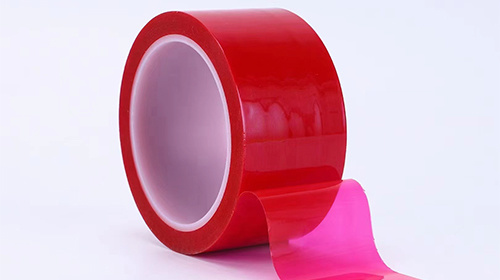
Polyimide tape, often referred to as Kapton tape, is known for its exceptional thermal stability and electrical insulation properties. This tape can withstand temperatures up to 260°C, making it ideal for applications in aerospace, electronics, and more.
3.2 Silicone Tape
Silicone tape is versatile and offers excellent flexibility and resilience against extreme temperatures. It can adhere to a variety of surfaces and is perfect for applications requiring a strong seal under high heat.
3.3 PTFE Tape
Polytetrafluoroethylene (PTFE) tape is renowned for its chemical resistance and high-temperature capabilities. It is often used in situations where contact with corrosive substances is a concern, making it a reliable choice for electrical insulation.
4. Advantages of Using High Temperature Tape
The benefits of incorporating high temperature tape into electrical insulation systems are manifold. Here are some of the most significant advantages:
4.1 Enhanced Thermal Resistance
High temperature tape is engineered to handle extreme heat without compromising its integrity. This characteristic is crucial in preventing electrical failures due to overheating, which can lead to severe consequences in both industrial and consumer applications.
4.2 Improved Electrical Insulation
High temperature tape provides superior electrical insulation, reducing the risk of short circuits and electrical fires. This enhancement is vital in maintaining the safety and functionality of electrical devices.
4.3 Chemical Resistance
Many high temperature tapes are resistant to various chemicals, ensuring that they maintain their effectiveness even when exposed to harsh environments. This property is essential in industries such as automotive and aerospace, where components often encounter oils, solvents, and other chemicals.
5. Applications of High Temperature Tape in Electrical Insulation
High temperature tape is utilized across a wide range of industries, showcasing its versatility and effectiveness in enhancing electrical insulation.
5.1 Automotive Industry
In the automotive sector, high temperature tape is commonly used to insulate wiring and components exposed to high heat from engines. This application helps prevent electrical failures and ensures the longevity of automotive electrical systems.
5.2 Aerospace Industry
The aerospace industry relies heavily on high temperature tape for insulation in critical components. With the need for lightweight and durable materials, high temperature tape provides an ideal solution that meets stringent aerospace standards.
5.3 Consumer Electronics
High temperature tape is increasingly found in consumer electronics, where it serves to protect sensitive components from heat during manufacturing processes. Its insulation properties help maintain performance and reliability in devices such as smartphones and laptops.
6. Installing High Temperature Tape: Best Practices
To maximize the effectiveness of high temperature tape in electrical insulation, following best practices during installation is crucial. Here are some key tips:
1. **Surface Preparation:** Ensure that the surface is clean and dry before applying the tape. This will help achieve a strong bond and prevent failure.
2. **Proper Tension:** Apply the tape with consistent tension to prevent slack, which can lead to insulation gaps.
3. **Overlap Edges:** When wrapping, overlap the edges by at least half the width of the tape for maximum coverage and protection.
7. Common Mistakes to Avoid When Using High Temperature Tape
While high temperature tape offers numerous benefits, improper use can lead to decreased effectiveness. Common mistakes include:
1. **Ignoring Temperature Ratings:** Always select tape that matches or exceeds the temperature requirements of your application.
2. **Insufficient Coverage:** Not covering all exposed areas can result in electrical failures. Ensure complete coverage for optimal protection.
3. **Poor Surface Preparation:** Failing to clean surfaces can compromise adhesion and insulation integrity.
8. Frequently Asked Questions (FAQs)
1. What is the temperature range for high temperature tape?
High temperature tape can typically withstand temperatures ranging from -50°C to 260°C, depending on the type of tape used.
2. Can high temperature tape be used outdoors?
Yes, many high temperature tapes are designed to be durable enough for outdoor use, but it is essential to check the specifications for UV resistance.
3. How long does high temperature tape last?
The lifespan of high temperature tape depends on environmental conditions and application. However, high-quality tape can last several years when used correctly.
4. Is high temperature tape resistant to chemicals?
Most high temperature tapes offer some level of chemical resistance, particularly those made from silicone or PTFE. Always verify compatibility with specific chemicals.
5. Can high temperature tape be used for insulating electrical wires?
Absolutely! High temperature tape is commonly used for insulating electrical wires, providing an extra layer of protection against heat and electrical interference.
9. Conclusion
In conclusion, high temperature tape plays a vital role in enhancing electrical insulation standards across various industries. Its exceptional properties, including thermal resistance, electrical insulation, and chemical resistance, make it an indispensable tool for engineers and manufacturers. By understanding the different types of high temperature tape and their applications, as well as adhering to best practices during installation, we can ensure the safety and reliability of electrical systems in today's demanding environments. As technology continues to evolve, the importance of high temperature tape in meeting and exceeding electrical insulation standards will undoubtedly increase, paving the way for innovations in the electrical sector.


Phone/WhatsApp:
Email:
About Us
We firmly believe that by working together with global partners, we can jointly create a bright future for the electrical insulation materials industry.


Leave Message
If you have any queries about us or our product(s), feel free to drop us a message.