
Understanding the Benefits of Nomex Paper in Electrical Insulation
Understanding the Benefits of Nomex Paper in Electrical Insulation
Table of Contents
1. Introduction to Nomex Paper
2. Key Properties of Nomex Paper
3. Applications of Nomex Paper in Electrical Insulation
4. Advantages of Using Nomex Paper
5. Comparison with Other Insulation Materials
6. Environmental Impact of Nomex Paper
7. Future Trends in Electrical Insulation Mate
Understanding the Benefits of Nomex Paper in Electrical Insulation
Table of Contents
- 1. Introduction to Nomex Paper
- 2. Key Properties of Nomex Paper
- 3. Applications of Nomex Paper in Electrical Insulation
- 4. Advantages of Using Nomex Paper
- 5. Comparison with Other Insulation Materials
- 6. Environmental Impact of Nomex Paper
- 7. Future Trends in Electrical Insulation Materials
- 8. Conclusion
- 9. Frequently Asked Questions
1. Introduction to Nomex Paper
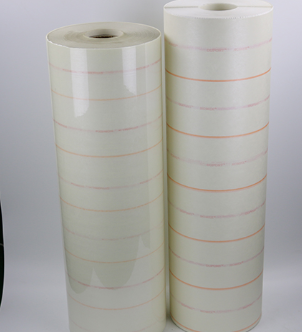
Nomex paper, known for its exceptional thermal stability and electrical insulating properties, has become a vital material in various electrical applications. Developed by DuPont, this unique aramid fiber paper withstands extreme temperatures and harsh environments, making it an ideal choice for electrical insulation. In this article, we will delve into the benefits of Nomex paper, exploring its properties, applications, and advantages over traditional insulation materials.
2. Key Properties of Nomex Paper
Nomex paper boasts a range of properties that contribute to its effectiveness as an electrical insulator:
2.1 Thermal Stability
One of the most significant advantages of Nomex paper is its **thermal stability**. It can operate effectively in temperatures ranging from -200°C to +220°C. This characteristic ensures that Nomex paper remains reliable even in extreme conditions, making it a preferred choice in applications where heat resistance is paramount.
2.2 Electrical Insulation
Nomex paper offers excellent **dielectric strength**, providing superior insulation in electrical applications. Its ability to withstand high voltages without breaking down makes it essential for electrical machinery and components.
2.3 Chemical Resistance
Another vital property of Nomex paper is its **chemical resistance**. It does not easily degrade in the presence of most chemicals, oils, and solvents, ensuring longevity and reliability in various environments.
2.4 Mechanical Strength
Nomex paper combines electrical insulation with impressive **mechanical strength**. It can withstand stresses and strains without tearing or losing its insulating properties, making it ideal for applications with physical demands.
3. Applications of Nomex Paper in Electrical Insulation
Nomex paper finds applications in numerous sectors, particularly in electrical insulation. Some significant applications include:
3.1 Transformers
In transformers, Nomex paper is used as insulation for windings, ensuring that electrical components remain insulated from each other. Its thermal stability and dielectric properties help maintain optimal performance and efficiency.
3.2 Electric Motors
Electric motors benefit from Nomex paper as it prevents short circuits and improves the overall reliability of the motor. By providing excellent thermal management, Nomex allows electric motors to operate efficiently, even under high loads.
3.3 Generators
Generators, which experience extreme conditions, utilize Nomex paper for insulation in various electrical components. It ensures that the generator operates smoothly and maintains high efficiency over time.
3.4 Circuit Boards
Nomex paper is also used in the production of printed circuit boards (PCBs). Its dielectric properties help reduce interference and enhance the overall performance of electronic devices.
4. Advantages of Using Nomex Paper
There are numerous advantages to using Nomex paper in electrical insulation applications:
4.1 Longevity
Nomex paper's durability translates to a **longer lifespan** for electrical components. Its resistance to heat, chemicals, and mechanical stress ensures that it maintains its insulating properties over time.
4.2 Improved Efficiency
By providing reliable insulation, Nomex paper can enhance the **efficiency** of electrical devices. Insulated components operate more effectively, reducing energy loss and improving overall performance.
4.3 Versatility
Nomex paper is highly versatile and can be tailored for various applications. It can be produced in different thicknesses and forms, allowing for customization to meet specific industry needs.
4.4 Cost-Effectiveness
While the initial cost of Nomex paper may be higher than other insulation materials, its long-term benefits, including reduced maintenance and replacement costs, make it a **cost-effective solution** in the electrical industry.
5. Comparison with Other Insulation Materials
When comparing Nomex paper to other insulation materials, several key factors emerge:
5.1 vs. Polyester Film
While polyester film is often used as an insulation material, it lacks the thermal stability of Nomex paper. **Nomex** maintains its insulating properties at higher temperatures, making it a superior choice for high-performance applications.
5.2 vs. Fleece Insulation
Fleece insulation is often less expensive but does not offer the same level of durability or chemical resistance. Nomex paper outperforms fleece insulation in extreme environments, ensuring consistent performance.
5.3 vs. Cellulose-Based Insulation
Cellulose-based insulation materials can deteriorate over time due to moisture and other environmental factors. In contrast, Nomex paper remains unaffected, making it a more reliable choice for long-term applications.
6. Environmental Impact of Nomex Paper
In today's world, environmental considerations are paramount. Nomex paper is a sustainable choice for electrical insulation due to:
6.1 Recyclability
Nomex paper is recyclable, reducing its overall environmental footprint. This aspect is crucial for industries looking to minimize waste and promote sustainability.
6.2 Reduced Energy Loss
By enhancing the efficiency of electrical devices, Nomex paper contributes to lower energy consumption. This reduction in energy loss helps decrease greenhouse gas emissions, supporting global sustainability goals.
7. Future Trends in Electrical Insulation Materials
The field of electrical insulation is evolving, with trends focusing on enhanced materials and eco-friendly options. Some emerging trends include:
7.1 Biodegradable Insulation Materials
Research is underway to develop biodegradable insulation materials that can offer performance comparable to Nomex paper while also being environmentally friendly.
7.2 Smart Insulation
The integration of smart technologies into insulation materials allows for real-time monitoring of temperature and electrical load, improving safety and efficiency.
7.3 Nano-Enhanced Insulation
Utilizing nanotechnology in insulation materials is expected to enhance performance significantly. These advanced materials could offer better thermal and electrical properties.
8. Conclusion
Nomex paper stands out as a superior choice in the realm of electrical insulation, thanks to its unique properties and numerous applications. Its thermal stability, electrical insulating capabilities, and durability ensure that it meets the demanding requirements of various electrical systems. As industries continue to evolve, the benefits of Nomex paper will become even more apparent, solidifying its role as a staple in electrical insulation. Investing in Nomex paper not only enhances the efficiency and longevity of electrical devices but also supports environmental sustainability efforts.
9. Frequently Asked Questions
9.1 What is Nomex paper made of?
Nomex paper is made from aramid fibers, which are synthetic fibers known for their strength and heat resistance.
9.2 How does Nomex paper compare to other insulation materials?
Nomex paper offers superior thermal stability, electrical insulation, and chemical resistance when compared to other materials such as polyester film and cellulose-based insulation.
9.3 Can Nomex paper be recycled?
Yes, Nomex paper is recyclable, making it an environmentally friendly option for insulation.
9.4 What industries use Nomex paper?
Nomex paper is widely used in industries such as electrical engineering, automotive, aerospace, and manufacturing, particularly for applications involving transformers, motors, and generators.
9.5 What are the temperature limits for Nomex paper?
Nomex paper can operate effectively in temperatures ranging from -200°C to +220°C, making it suitable for a variety of high-temperature applications.


Phone/WhatsApp:
Email:
About Us
We firmly believe that by working together with global partners, we can jointly create a bright future for the electrical insulation materials industry.


Leave Message
If you have any queries about us or our product(s), feel free to drop us a message.