
Understanding High-Temperature Insulation Tape: Essential Insights for Electrical Professionals
High-temperature insulation tape is a vital component in the electrical industry, particularly for professionals dealing with electrical wiring and components that operate under extreme conditions. This specialized tape is designed to withstand elevated temperatures while providing excellent insulation properties, making it an indispensable tool for electricians and engineers alike.
The primary ma
High-temperature insulation tape is a vital component in the electrical industry, particularly for professionals dealing with electrical wiring and components that operate under extreme conditions. This specialized tape is designed to withstand elevated temperatures while providing excellent insulation properties, making it an indispensable tool for electricians and engineers alike.
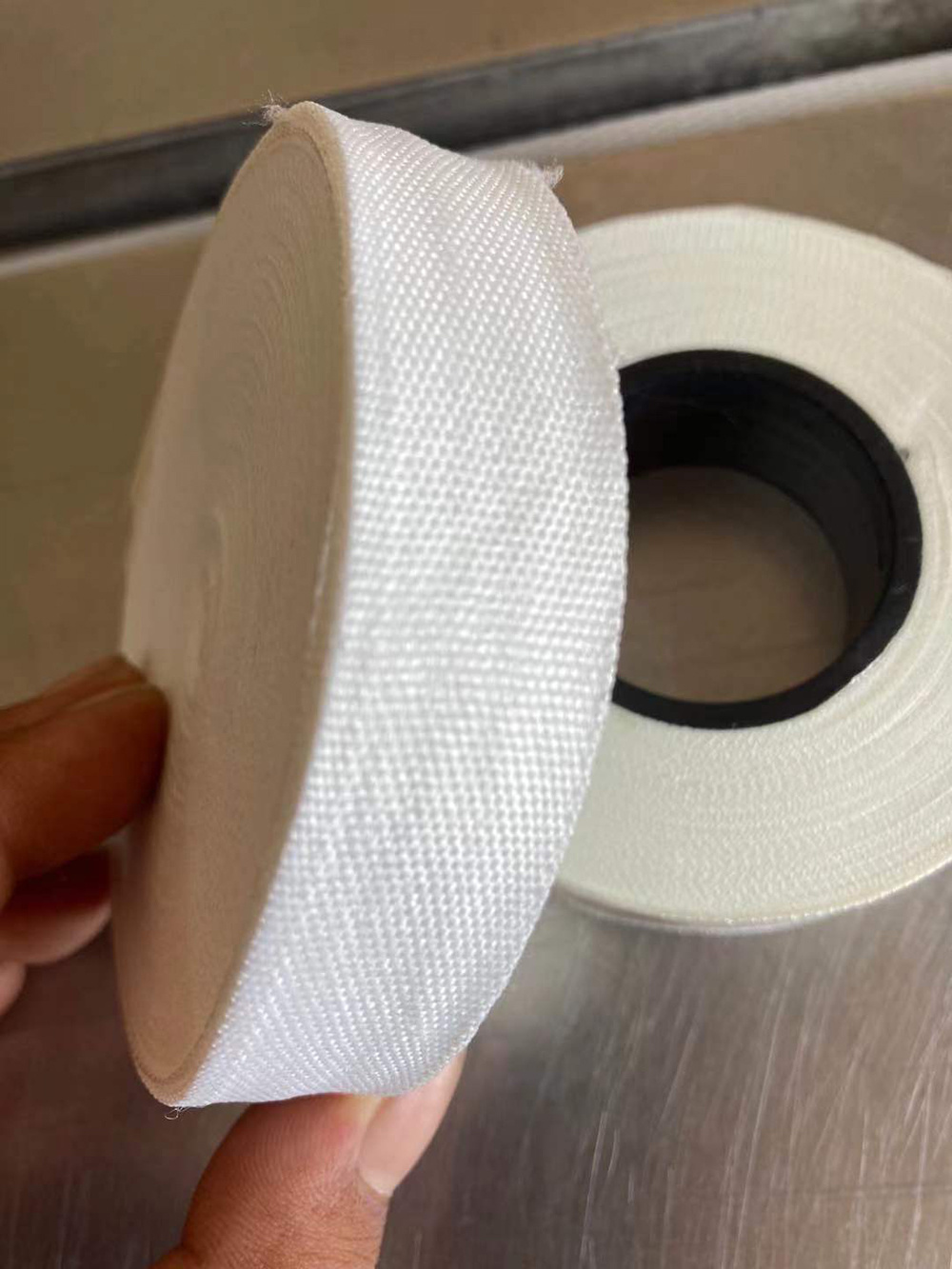
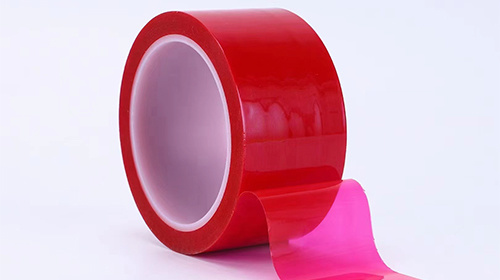
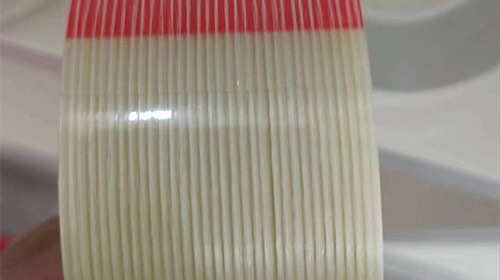
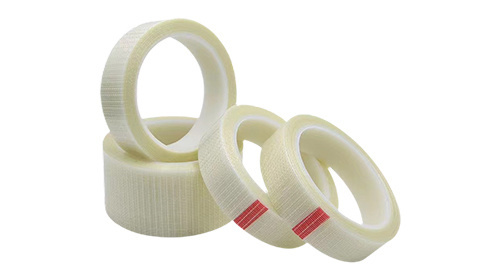
The primary material used in high-temperature insulation tape is typically silicone, polyimide, or fiberglass, each offering unique advantages for specific applications. Silicone tape, for example, is renowned for its ability to maintain performance in temperatures that can exceed 500°F (260°C), making it perfect for high-heat environments such as industrial machinery or automotive applications. Polyimide tape, on the other hand, is often used in electronic circuitry due to its exceptional dielectric properties and thermal resistance, which can reach up to 600°F (316°C).
One of the key benefits of high-temperature insulation tape is its excellent electrical insulation capabilities. This tape effectively prevents electrical arcing and short circuits, which can occur in components exposed to heat. By ensuring reliable insulation, it enhances the overall safety of electrical systems, reducing the risk of failure and potential hazards.
Furthermore, high-temperature insulation tape is highly resistant to chemicals, oils, and UV radiation, making it suitable for various industrial applications. Whether used in the aerospace sector, automotive industry, or electrical equipment manufacturing, this tape excels in providing durable and long-lasting protection against environmental factors that could compromise electrical integrity.
When selecting high-temperature insulation tape, it is essential to consider factors such as maximum temperature rating, adhesive strength, and the specific requirements of your application. Using the right tape can lead to improved performance and longevity of electrical components, ultimately resulting in increased operational efficiency.
In conclusion, high-temperature insulation tape is a crucial element for electrical professionals working in environments where temperature stability and electrical safety are paramount. By understanding its composition and benefits, electricians can make informed choices that significantly impact the quality and reliability of their projects. Investing in high-quality insulation tape not only safeguards electrical systems but also enhances overall efficiency, ensuring that projects are completed with the highest standards of safety and durability.
The primary material used in high-temperature insulation tape is typically silicone, polyimide, or fiberglass, each offering unique advantages for specific applications. Silicone tape, for example, is renowned for its ability to maintain performance in temperatures that can exceed 500°F (260°C), making it perfect for high-heat environments such as industrial machinery or automotive applications. Polyimide tape, on the other hand, is often used in electronic circuitry due to its exceptional dielectric properties and thermal resistance, which can reach up to 600°F (316°C).
One of the key benefits of high-temperature insulation tape is its excellent electrical insulation capabilities. This tape effectively prevents electrical arcing and short circuits, which can occur in components exposed to heat. By ensuring reliable insulation, it enhances the overall safety of electrical systems, reducing the risk of failure and potential hazards.
Furthermore, high-temperature insulation tape is highly resistant to chemicals, oils, and UV radiation, making it suitable for various industrial applications. Whether used in the aerospace sector, automotive industry, or electrical equipment manufacturing, this tape excels in providing durable and long-lasting protection against environmental factors that could compromise electrical integrity.
When selecting high-temperature insulation tape, it is essential to consider factors such as maximum temperature rating, adhesive strength, and the specific requirements of your application. Using the right tape can lead to improved performance and longevity of electrical components, ultimately resulting in increased operational efficiency.
In conclusion, high-temperature insulation tape is a crucial element for electrical professionals working in environments where temperature stability and electrical safety are paramount. By understanding its composition and benefits, electricians can make informed choices that significantly impact the quality and reliability of their projects. Investing in high-quality insulation tape not only safeguards electrical systems but also enhances overall efficiency, ensuring that projects are completed with the highest standards of safety and durability.


Phone/WhatsApp:
Email:
About Us
We firmly believe that by working together with global partners, we can jointly create a bright future for the electrical insulation materials industry.


Leave Message
If you have any queries about us or our product(s), feel free to drop us a message.