
Exploring the Multifaceted Benefits of 6520 Fish Paper Composite Material in Electrical Insulation
Exploring the Multifaceted Benefits of 6520 Fish Paper Composite Material in Electrical Insulation
Table of Contents
1. Introduction to 6520 Fish Paper Composite Material
2. Properties of 6520 Fish Paper Composite Material
3. Key Applications in Electrical Insulation
4. Advantages of Using 6520 Fish Paper
4.1 Durability and Longevity
4.2 Thermal Re
Exploring the Multifaceted Benefits of 6520 Fish Paper Composite Material in Electrical Insulation
Table of Contents
- 1. Introduction to 6520 Fish Paper Composite Material
- 2. Properties of 6520 Fish Paper Composite Material
- 3. Key Applications in Electrical Insulation
- 4. Advantages of Using 6520 Fish Paper
- 5. Comparison with Other Insulating Materials
- 6. Sustainability and Environmental Impact
- 7. Installation and Maintenance Best Practices
- 8. Frequently Asked Questions
- 9. Conclusion
1. Introduction to 6520 Fish Paper Composite Material
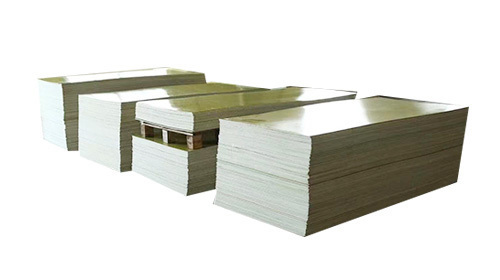
Electrical insulation is an essential component in ensuring the safety and efficiency of electrical systems. Among the various materials available, **6520 Fish Paper Composite Material** stands out for its unique blend of properties that provide outstanding insulation performance. This article delves into the multifaceted benefits of this innovative material, exploring its properties, applications, advantages, and more.
2. Properties of 6520 Fish Paper Composite Material
The **6520 Fish Paper Composite Material** is crafted from a unique blend of cellulose fibers and resins, creating a robust and versatile product. Some of the key properties include:
2.1 Electrical Insulation Properties
One of the most significant attributes of 6520 Fish Paper is its high dielectric strength, which allows it to effectively resist electrical breakdown. This makes it ideal for use in environments where electrical insulation is critical.
2.2 Mechanical Strength
The composite material possesses impressive mechanical strength, ensuring that it can withstand mechanical stresses without compromising its insulating properties. This durability is essential in various applications, particularly in industrial settings.
2.3 Thermal Stability
With a high thermal stability, 6520 Fish Paper can maintain its performance in a wide range of temperatures. This property is crucial in electrical applications where heat generation is a concern.
2.4 Chemical Resistance
The composite material demonstrates resistance to various chemicals, ensuring its longevity even in challenging environments. This property enhances its versatility across different applications.
3. Key Applications in Electrical Insulation
The versatility of **6520 Fish Paper Composite Material** has led to its adoption in numerous electrical insulation applications:
3.1 Transformers
In transformers, 6520 Fish Paper is used as insulation between windings, providing excellent dielectric properties. Its mechanical strength ensures that it can withstand the forces exerted during operation.
3.2 Capacitors
Capacitors benefit from the high dielectric strength of this material, enabling compact designs without compromising performance. The chemical resistance further enhances its suitability for various capacitor types.
3.3 Electric Motors
For electric motors, 6520 Fish Paper provides effective insulation around coils, preventing short circuits and enhancing operational efficiency. Its thermal stability is crucial in these high-performance applications.
3.4 Generators
In generators, the use of 6520 Fish Paper ensures reliable insulation, contributing to the overall safety and efficiency of the generator systems.
4. Advantages of Using 6520 Fish Paper
The adoption of **6520 Fish Paper Composite Material** offers several compelling advantages over other insulation materials:
4.1 Durability and Longevity
One of the primary advantages is its durability. This material can withstand harsh conditions without significant deterioration, ensuring long-lasting performance.
4.2 Thermal Resistance
Withstanding high temperatures is a critical requirement for many electrical applications. The thermal resistance of 6520 Fish Paper ensures reliable performance even under extreme conditions.
4.3 Moisture Resistance
Moisture can significantly affect the performance of insulation materials. The moisture resistance of 6520 Fish Paper minimizes the risk of failure, making it suitable for outdoor and humid environments.
5. Comparison with Other Insulating Materials
When comparing **6520 Fish Paper Composite Material** with traditional insulation options, such as PVC or fiberglass, it becomes evident why it is favored in many applications.
5.1 PVC vs. 6520 Fish Paper
While PVC offers some insulation properties, it lacks the thermal stability and chemical resistance that 6520 Fish Paper provides. Thus, in high-performance settings, the latter is the superior choice.
5.2 Fiberglass vs. 6520 Fish Paper
Fiberglass is often praised for its insulating capabilities, but the mechanical strength and moisture resistance of 6520 Fish Paper make it a more reliable option in dynamic environments.
6. Sustainability and Environmental Impact
As industries increasingly prioritize sustainability, **6520 Fish Paper Composite Material** emerges as an environmentally friendly option. The material is made from renewable resources, contributing to reduced environmental impact. Furthermore, its longevity ensures that it does not contribute to waste as frequently as less durable alternatives.
7. Installation and Maintenance Best Practices
To maximize the performance of 6520 Fish Paper Composite Material, proper installation and maintenance are essential:
7.1 Installation Guidelines
Ensure that surfaces are clean and free from contaminants before installation. Use appropriate tools to cut the material to size, and follow specific application instructions to ensure optimal adhesion and performance.
7.2 Maintenance Tips
Regular inspections are vital to ensure the integrity of the insulation. Look for signs of wear or damage, and replace any compromised sections promptly.
8. Frequently Asked Questions
8.1 What is 6520 Fish Paper Composite Material?
6520 Fish Paper is a specialized composite material used for electrical insulation, known for its high dielectric strength, durability, and moisture resistance.
8.2 In which applications is 6520 Fish Paper commonly used?
It is commonly used in transformers, capacitors, electric motors, and generators, where reliable electrical insulation is crucial.
8.3 What advantages does 6520 Fish Paper offer over traditional insulation materials?
It offers superior durability, thermal stability, moisture resistance, and chemical resistance compared to traditional options like PVC and fiberglass.
8.4 Is 6520 Fish Paper environmentally friendly?
Yes, it is made from renewable resources and has a long lifespan, reducing its overall environmental impact.
8.5 How should 6520 Fish Paper be maintained?
Regular inspections are essential. Ensure that any compromised sections are replaced promptly to maintain insulation integrity.
9. Conclusion
In summary, **6520 Fish Paper Composite Material** represents a cutting-edge solution for electrical insulation needs. Its unique properties, versatile applications, and numerous advantages position it as a preferred choice in various industries. With its commitment to sustainability and longevity, the material not only meets current electrical demands but also contributes positively to environmental goals. By understanding and adopting this innovative material, industries can enhance their operational efficiency and safety.


Phone/WhatsApp:
Email:
About Us
We firmly believe that by working together with global partners, we can jointly create a bright future for the electrical insulation materials industry.


Leave Message
If you have any queries about us or our product(s), feel free to drop us a message.