
Exploring the Benefits and Applications of 6520 Fish Paper Composite Material
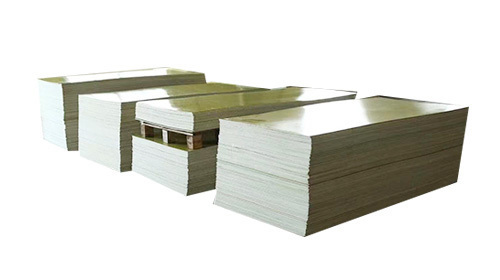
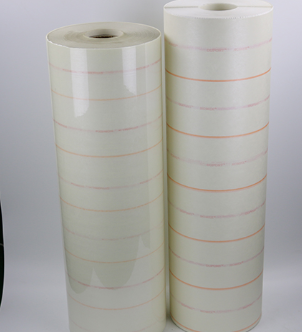
The 6520 Fish paper composite material is a distinctive insulation solution widely recognized in the electrical and electronics industry. This composite integrates fish paper, which is renowned for its cellulose-based composition, with diverse resin systems, resulting in a material that exhibits excellent insulation properties and mechanical strength.
One of the primary benefits of 6520 Fish pape
The 6520 Fish paper composite material is a distinctive insulation solution widely recognized in the electrical and electronics industry. This composite integrates fish paper, which is renowned for its cellulose-based composition, with diverse resin systems, resulting in a material that exhibits excellent insulation properties and mechanical strength.
One of the primary benefits of 6520 Fish paper composite material is its outstanding dielectric strength, which makes it an ideal choice for insulating applications. This feature allows it to effectively withstand high voltages, thus ensuring safety and reliability in various electrical components. Additionally, its low thermal conductivity contributes to efficient thermal management, making it suitable for use in transformers, capacitors, and other high-performance electrical systems.
The manufacturing process of 6520 Fish paper composite material involves layering the fish paper with resins under controlled conditions. This process not only enhances the mechanical properties but also increases moisture resistance, an essential factor for ensuring the longevity and durability of the material in diverse environments. This moisture-resistant quality is particularly valuable in applications exposed to varying humidity levels, as it helps prevent electrical failures and degradation.
In terms of applications, the versatility of 6520 Fish paper composite material is evident across various sectors. In the electrical insulation market, it is commonly utilized in components such as busbars, electrical switches, and coil insulation in motors and generators. Its excellent performance characteristics also make it a preferred choice for high-frequency applications, where minimizing signal loss is crucial.
Furthermore, the sustainability aspect of 6520 Fish paper composite material cannot be overlooked. As it is derived from cellulose, it is biodegradable and presents a more environmentally friendly option compared to synthetic insulation materials. This makes it increasingly appealing to industries looking to reduce their ecological footprint.
In conclusion, the 6520 Fish paper composite material stands out as a practical and efficient insulation solution for various electrical applications. Its combination of excellent dielectric properties, mechanical strength, and environmental benefits positions it as a material of choice for manufacturers and engineers alike. By considering this innovative composite, businesses can enhance the reliability and performance of their electrical products while also embracing sustainable practices.
One of the primary benefits of 6520 Fish paper composite material is its outstanding dielectric strength, which makes it an ideal choice for insulating applications. This feature allows it to effectively withstand high voltages, thus ensuring safety and reliability in various electrical components. Additionally, its low thermal conductivity contributes to efficient thermal management, making it suitable for use in transformers, capacitors, and other high-performance electrical systems.
The manufacturing process of 6520 Fish paper composite material involves layering the fish paper with resins under controlled conditions. This process not only enhances the mechanical properties but also increases moisture resistance, an essential factor for ensuring the longevity and durability of the material in diverse environments. This moisture-resistant quality is particularly valuable in applications exposed to varying humidity levels, as it helps prevent electrical failures and degradation.
In terms of applications, the versatility of 6520 Fish paper composite material is evident across various sectors. In the electrical insulation market, it is commonly utilized in components such as busbars, electrical switches, and coil insulation in motors and generators. Its excellent performance characteristics also make it a preferred choice for high-frequency applications, where minimizing signal loss is crucial.
Furthermore, the sustainability aspect of 6520 Fish paper composite material cannot be overlooked. As it is derived from cellulose, it is biodegradable and presents a more environmentally friendly option compared to synthetic insulation materials. This makes it increasingly appealing to industries looking to reduce their ecological footprint.
In conclusion, the 6520 Fish paper composite material stands out as a practical and efficient insulation solution for various electrical applications. Its combination of excellent dielectric properties, mechanical strength, and environmental benefits positions it as a material of choice for manufacturers and engineers alike. By considering this innovative composite, businesses can enhance the reliability and performance of their electrical products while also embracing sustainable practices.


Phone/WhatsApp:
Email:
About Us
We firmly believe that by working together with global partners, we can jointly create a bright future for the electrical insulation materials industry.


Leave Message
If you have any queries about us or our product(s), feel free to drop us a message.