
Top Benefits of Using Fiber Glass Tape for Insulation: The Ultimate Guide
Top Benefits of Using Fiber Glass Tape for Insulation
Introduction to Fiber Glass Tape in Insulation
In the realm of electrical insulation, fiber glass tape has emerged as a robust solution for a variety of applications. **Fiber glass tape**, made from woven glass fibers, is designed to provide excellent thermal insulation as well as mechanical protection for wires and cables. Understanding its un
Top Benefits of Using Fiber Glass Tape for Insulation
Introduction to Fiber Glass Tape in Insulation
In the realm of electrical insulation, fiber glass tape has emerged as a robust solution for a variety of applications. **Fiber glass tape**, made from woven glass fibers, is designed to provide excellent thermal insulation as well as mechanical protection for wires and cables. Understanding its unique properties and benefits can guide professionals and DIY enthusiasts alike in making informed choices for insulation projects.
What is Fiber Glass Tape?
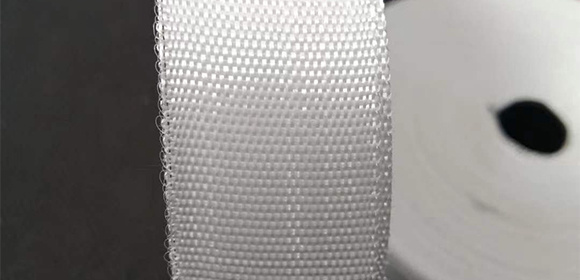
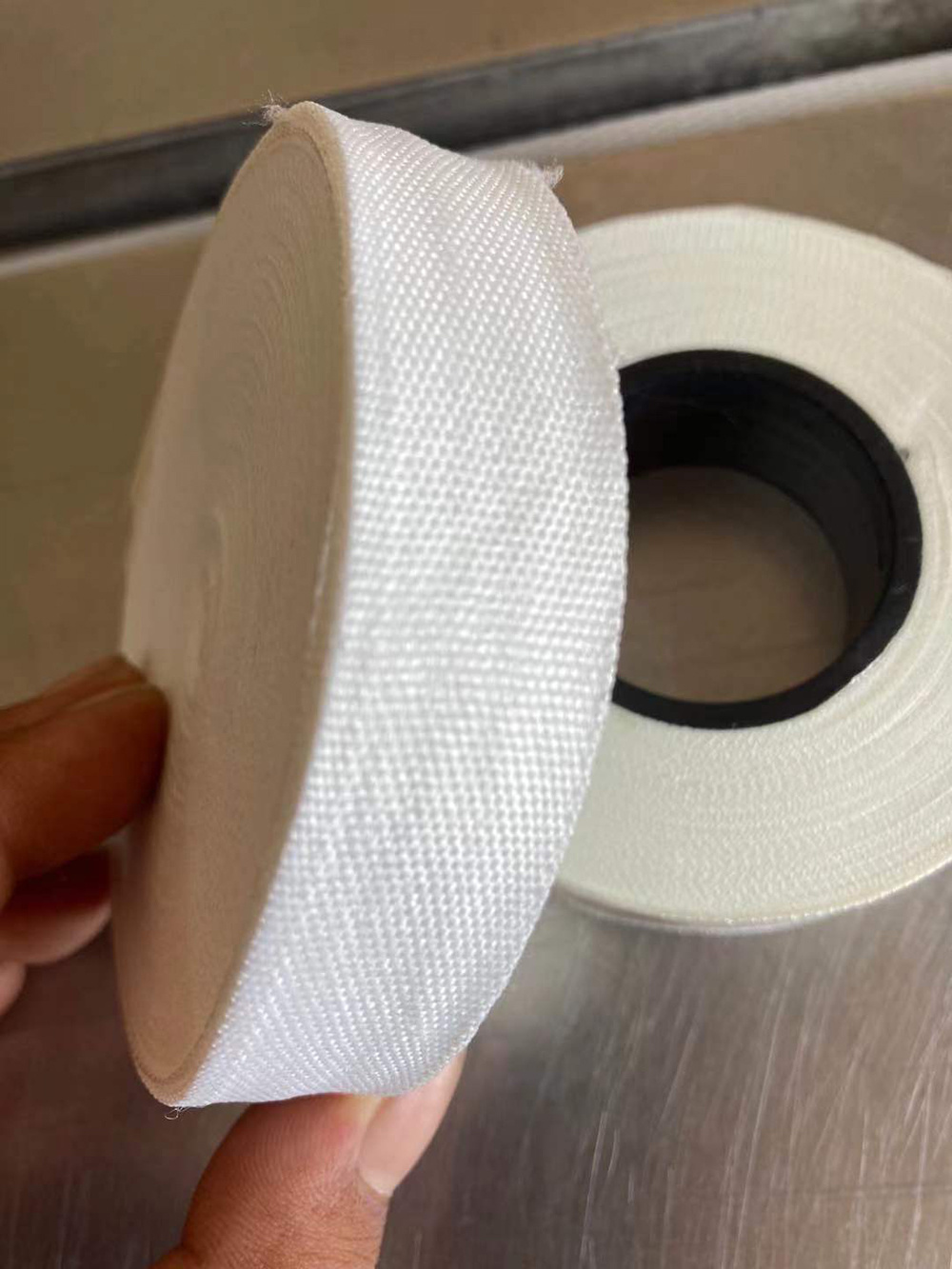
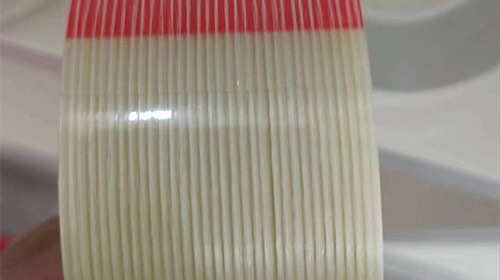
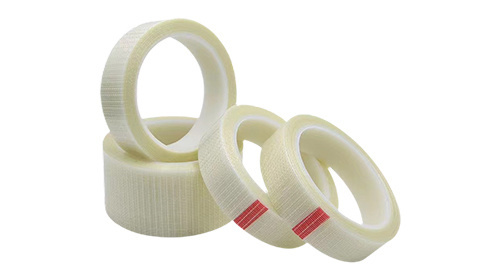
Fiber glass tape is a type of tape constructed from glass fibers that are tightly woven to form a strong and flexible material. It is often used in electrical insulation applications due to its high dielectric strength and resistance to heat, moisture, and chemicals. This tape is typically coated with a pressure-sensitive adhesive on one side, making it easy to apply to various surfaces.
Key Properties of Fiber Glass Tape
Fiber glass tape stands out due to several key properties:
- High Temperature Resistance: It can withstand extreme temperatures, making it ideal for high-heat environments.
- Electrical Insulation: Its high dielectric strength prevents electrical leakage and short circuits.
- Chemical Resistance: It resists corrosive substances, enhancing longevity.
- Flexibility: The tape easily conforms to uneven surfaces, allowing for comprehensive coverage.
Advantages of Using Fiber Glass Tape for Insulation
Understanding the advantages of fiber glass tape can help you appreciate why it is a preferred choice for many insulation projects.
1. Superior Insulation Performance
Fiber glass tape provides exceptional insulation performance due to its high thermal resistance. When wrapped around electrical components, it minimizes heat loss, ensuring efficient energy use. This is particularly important in high-voltage applications, where maintaining optimal temperature is crucial for safety and performance.
2. Enhanced Safety Features
Safety is paramount in electrical work. Fiber glass tape significantly reduces the risk of electrical fires caused by overheating wires. Its inherent properties prevent electrical arcing and short circuits, making it a reliable choice for insulating wires in any environment.
3. Durability and Longevity
One of the most compelling benefits of fiber glass tape is its durability. Unlike other insulating materials that may degrade over time, fiber glass tape remains intact under a variety of conditions. It is resistant to moisture, UV rays, and chemicals, ensuring that your insulation holds up even in harsh environments.
4. Versatility in Applications
Fiber glass tape's versatility allows it to be used across various applications, including:
- Electrical Wiring: Ideal for insulation of wires in residential and commercial settings.
- HVAC Systems: Helps in insulating ducts and components for optimal energy efficiency.
- Automotive Industry: Used for insulating electrical components in vehicles.
- Electronics: Essential for insulating circuit boards and other sensitive components.
5. Cost-Effectiveness
While the initial cost of fiber glass tape may be higher compared to other insulating materials, its long-lasting properties mean fewer replacements and repairs over time. This translates into significant cost savings in the long run, making it a wise investment for both DIY projects and professional applications.
Installation Techniques for Fiber Glass Tape
Proper installation is crucial for maximizing the benefits of fiber glass tape. Here are some essential techniques for effective application.
1. Surface Preparation
Before applying fiber glass tape, ensure that the surface is clean, dry, and free from debris. This helps the adhesive bond effectively, ensuring a secure application.
2. Cutting and Measuring
Measure the required length of the tape based on the application. Use sharp scissors to cut the tape cleanly, avoiding frayed edges that could compromise insulation quality.
3. Application Method
Start by positioning the tape at one end of the surface. Gradually wrap it around, ensuring that each layer overlaps slightly for comprehensive coverage. Apply firm, even pressure to eliminate air bubbles and ensure a strong bond.
4. Finishing Touches
Once applied, inspect the insulation for any gaps or areas where the tape may not adhere well. Reinforce these areas as needed to ensure complete coverage and optimal insulation.
Maintenance and Care for Fiber Glass Tape Insulation
To ensure the longevity of fiber glass tape insulation, regular maintenance is essential.
1. Regular Inspections
Periodically check the insulation for signs of wear or damage. Look for frayed edges, loose ends, or areas where the tape may have lifted. Address any issues immediately to maintain insulation integrity.
2. Cleaning Guidelines
If necessary, clean the surface of the tape with a soft, damp cloth. Avoid using harsh chemicals that may degrade the adhesive or the glass fibers.
3. Reapplication When Needed
In high-stress environments, it may be necessary to reapply fiber glass tape periodically. Keep an eye on its condition and reapply as needed to ensure continued effectiveness.
Common FAQs on Fiber Glass Tape for Insulation
1. What is the maximum temperature that fiber glass tape can withstand?
Fiber glass tape typically can withstand temperatures ranging from -40°F to 500°F (-40°C to 260°C). However, it is always best to check the manufacturer's specifications for precise limits.
2. Can fiber glass tape be used outdoors?
Yes, fiber glass tape is resistant to UV rays and moisture, making it suitable for outdoor applications. However, it is advisable to verify if the specific product is rated for outdoor use.
3. Is fiber glass tape safe for electrical insulation?
Absolutely. Fiber glass tape is designed specifically for electrical insulation, offering high dielectric strength and minimizing the risk of electrical fires and short circuits.
4. How does fiber glass tape compare to other insulation materials?
Fiber glass tape offers superior temperature resistance, durability, and flexibility compared to many other insulation materials. Its unique properties make it an ideal choice for various applications.
5. Can I use fiber glass tape on wet surfaces?
While fiber glass tape adheres best to dry surfaces, some products may allow for application on slightly damp surfaces. Always refer to the product specifications for guidance.
Conclusion
In summary, fiber glass tape for insulation offers a multitude of benefits that make it an indispensable tool in electrical applications. From its superior insulation performance to enhanced safety features, durability, and versatility, it stands out as a top choice for professionals and DIY enthusiasts alike. By understanding the properties, installation techniques, and maintenance needs of fiber glass tape, you can ensure optimal performance in your insulation projects. Embrace the advantages of fiber glass tape and elevate your insulation efforts to new heights.


Phone/WhatsApp:
Email:
About Us
We firmly believe that by working together with global partners, we can jointly create a bright future for the electrical insulation materials industry.


Leave Message
If you have any queries about us or our product(s), feel free to drop us a message.