
Understanding the Advantages of Fiber Glass Tape in Electrical Insulation
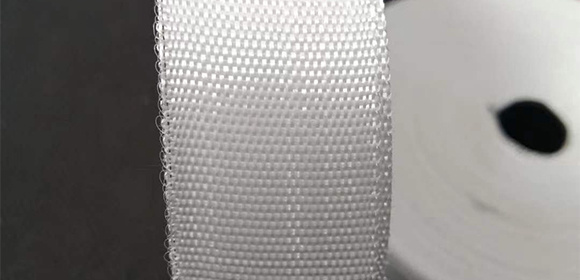
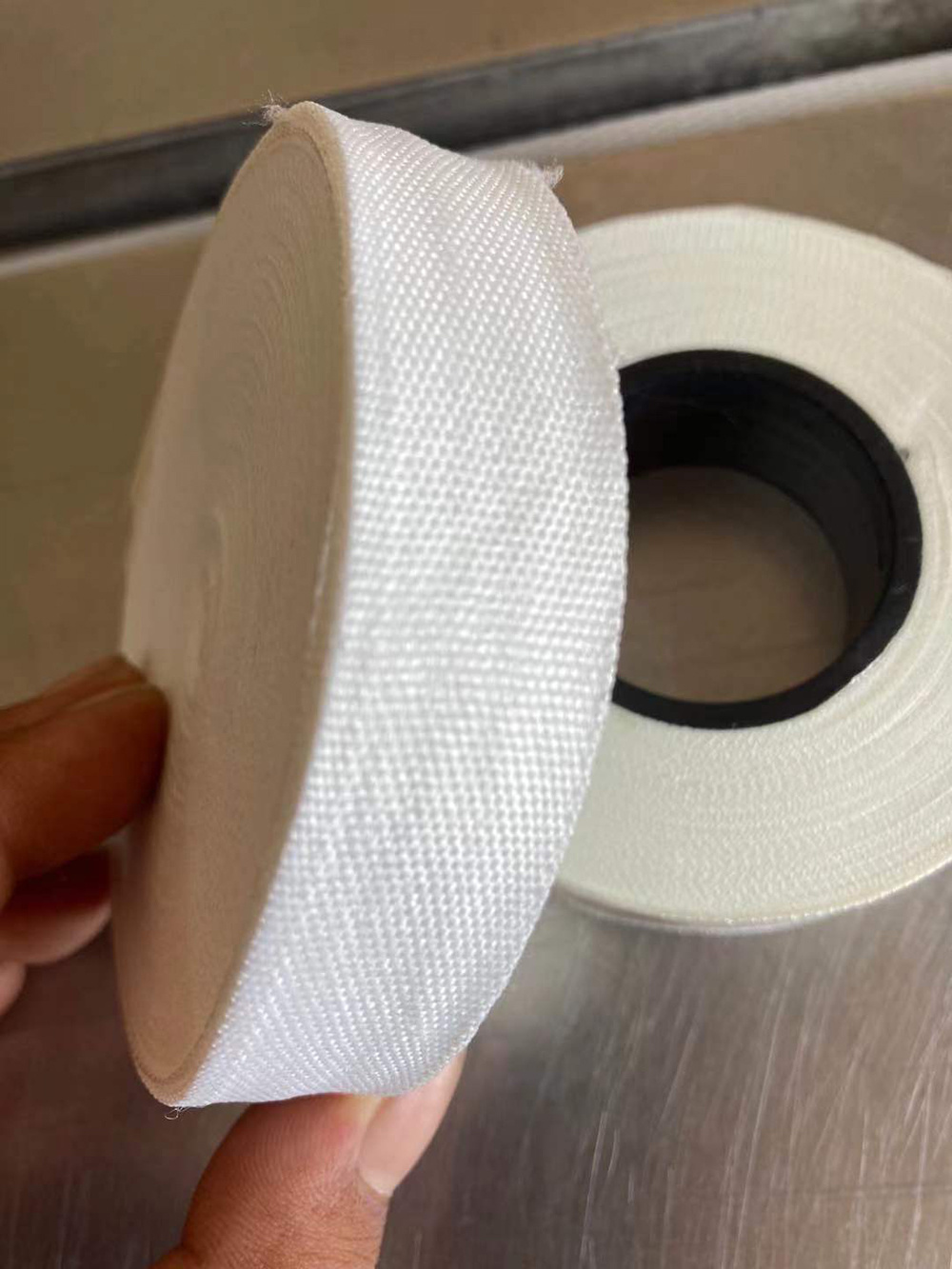
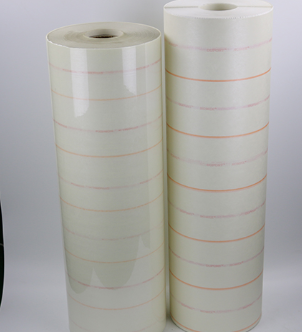
Fiber glass tape is an essential material in the electrical insulation sector, known for its impressive properties and versatility. Often utilized in various applications, fiber glass tape provides outstanding insulation, mechanical strength, and resistance to heat and chemicals. These qualities make it a popular choice for electricians and engineers alike.
One of the most significant advantages o
Fiber glass tape is an essential material in the electrical insulation sector, known for its impressive properties and versatility. Often utilized in various applications, fiber glass tape provides outstanding insulation, mechanical strength, and resistance to heat and chemicals. These qualities make it a popular choice for electricians and engineers alike.
One of the most significant advantages of fiber glass tape is its high-temperature resistance. This tape can withstand extreme temperatures, making it ideal for environments where heat is a concern. It is commonly used in electrical insulation for motors, transformers, and other high-heat applications where traditional materials might fail. The ability to maintain its integrity under such conditions ensures longer-lasting performance and reduces the risk of insulation failure, which can lead to costly repairs or downtime.
Another notable characteristic of fiber glass tape is its excellent dielectric strength. This property allows it to effectively insulate electrical components, preventing short circuits and electrical leakage. In environments where maintaining the integrity of electrical systems is crucial, fiber glass tape can significantly enhance safety and reliability. Utilizing this tape in conjunction with other insulation methods can further bolster the overall effectiveness of electrical systems.
In addition to its insulating capabilities, fiber glass tape is also recognized for its mechanical strength. The reinforcement provided by fiberglass fibers contributes to the tape's durability, making it resistant to tearing and abrasion. This resilience is particularly beneficial in applications where the tape may be exposed to rough handling or harsh operating conditions. As a result, fiber glass tape is frequently used in industrial settings, such as factories and manufacturing plants, where durability is paramount.
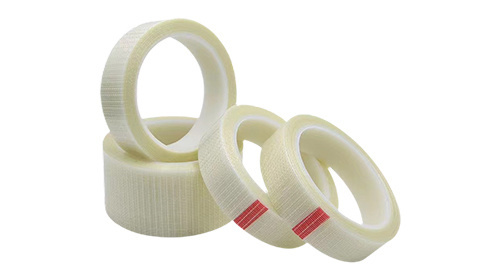
Moreover, fiber glass tape is available in various widths and thicknesses, allowing for customization based on specific project requirements. This flexibility makes it suitable for a wide range of applications, from automotive wiring to high-voltage electrical systems. The ease of application is another advantage, as it can be easily cut and applied to various surfaces, making it a convenient choice for professionals in the field.
In conclusion, fiber glass tape stands out as a top-tier insulation material in the electrical industry due to its high-temperature resistance, excellent dielectric strength, and mechanical durability. Its versatility and ease of use make it a preferred choice for many applications, ensuring reliable performance and enhanced safety in electrical systems. Whether you are an electrician, an engineer, or a DIY enthusiast, understanding the benefits of fiber glass tape can help you make informed decisions for your insulation needs.
One of the most significant advantages of fiber glass tape is its high-temperature resistance. This tape can withstand extreme temperatures, making it ideal for environments where heat is a concern. It is commonly used in electrical insulation for motors, transformers, and other high-heat applications where traditional materials might fail. The ability to maintain its integrity under such conditions ensures longer-lasting performance and reduces the risk of insulation failure, which can lead to costly repairs or downtime.
Another notable characteristic of fiber glass tape is its excellent dielectric strength. This property allows it to effectively insulate electrical components, preventing short circuits and electrical leakage. In environments where maintaining the integrity of electrical systems is crucial, fiber glass tape can significantly enhance safety and reliability. Utilizing this tape in conjunction with other insulation methods can further bolster the overall effectiveness of electrical systems.
In addition to its insulating capabilities, fiber glass tape is also recognized for its mechanical strength. The reinforcement provided by fiberglass fibers contributes to the tape's durability, making it resistant to tearing and abrasion. This resilience is particularly beneficial in applications where the tape may be exposed to rough handling or harsh operating conditions. As a result, fiber glass tape is frequently used in industrial settings, such as factories and manufacturing plants, where durability is paramount.
Moreover, fiber glass tape is available in various widths and thicknesses, allowing for customization based on specific project requirements. This flexibility makes it suitable for a wide range of applications, from automotive wiring to high-voltage electrical systems. The ease of application is another advantage, as it can be easily cut and applied to various surfaces, making it a convenient choice for professionals in the field.
In conclusion, fiber glass tape stands out as a top-tier insulation material in the electrical industry due to its high-temperature resistance, excellent dielectric strength, and mechanical durability. Its versatility and ease of use make it a preferred choice for many applications, ensuring reliable performance and enhanced safety in electrical systems. Whether you are an electrician, an engineer, or a DIY enthusiast, understanding the benefits of fiber glass tape can help you make informed decisions for your insulation needs.


Phone/WhatsApp:
Email:
About Us
We firmly believe that by working together with global partners, we can jointly create a bright future for the electrical insulation materials industry.


Leave Message
If you have any queries about us or our product(s), feel free to drop us a message.