
How to Choose the Right Fiber Glass Tape for Your Needs: A Comprehensive Guide
How to Choose the Right Fiber Glass Tape for Your Needs
Table of Contents
Introduction to Fiber Glass Tape
Understanding Fiber Glass Tape
Types of Fiber Glass Tape
Woven Fiber Glass Tape
Non-Woven Fiber Glass Tape
Key Features to Consider When Choosing Fiber Glass Tape
Adhesive Quality
Temperature Resistance
Thickness and Width
App
How to Choose the Right Fiber Glass Tape for Your Needs
Table of Contents
- Introduction to Fiber Glass Tape
- Understanding Fiber Glass Tape
- Types of Fiber Glass Tape
- Key Features to Consider When Choosing Fiber Glass Tape
- Applicability in Different Industries
- Expert Tips for Choosing Fiber Glass Tape
- Common Misconceptions About Fiber Glass Tape
- FAQs Related to Fiber Glass Tape
- Conclusion
Introduction to Fiber Glass Tape
Fiber glass tape is a versatile material widely used in various applications, particularly in electrical insulation and construction. Known for its strength, durability, and resistance to high temperatures, fiber glass tape serves as an essential component in industries such as automotive, aerospace, and electrical engineering. **Choosing the right fiber glass tape** can significantly affect the effectiveness and safety of your projects.
In this comprehensive guide, we will explore the different types of fiber glass tape, their specific features, and practical tips to help you make an informed decision tailored to your needs.
Understanding Fiber Glass Tape
Fiber glass tape is made from glass fibers woven or bonded together, providing exceptional tensile strength and flexibility. Often used in conjunction with adhesives, it creates strong bonds that withstand various environmental conditions. The tape’s construction allows it to insulate electrical components, protect surfaces, and enhance the overall durability of products.
As electrical insulation becomes increasingly crucial in modern applications, understanding fiber glass tape's properties and functionalities is vital for any professional or DIY enthusiast.
Types of Fiber Glass Tape
When selecting fiber glass tape, it's essential to understand the different types available in the market, as they cater to varying needs and applications. Two of the primary categories are woven fiber glass tape and non-woven fiber glass tape.
Woven Fiber Glass Tape
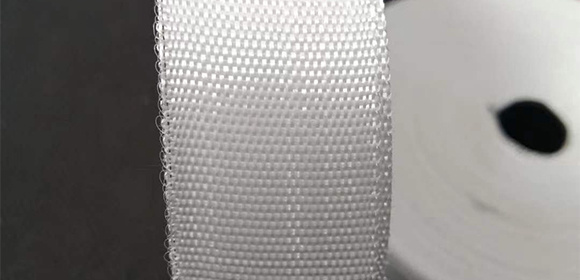
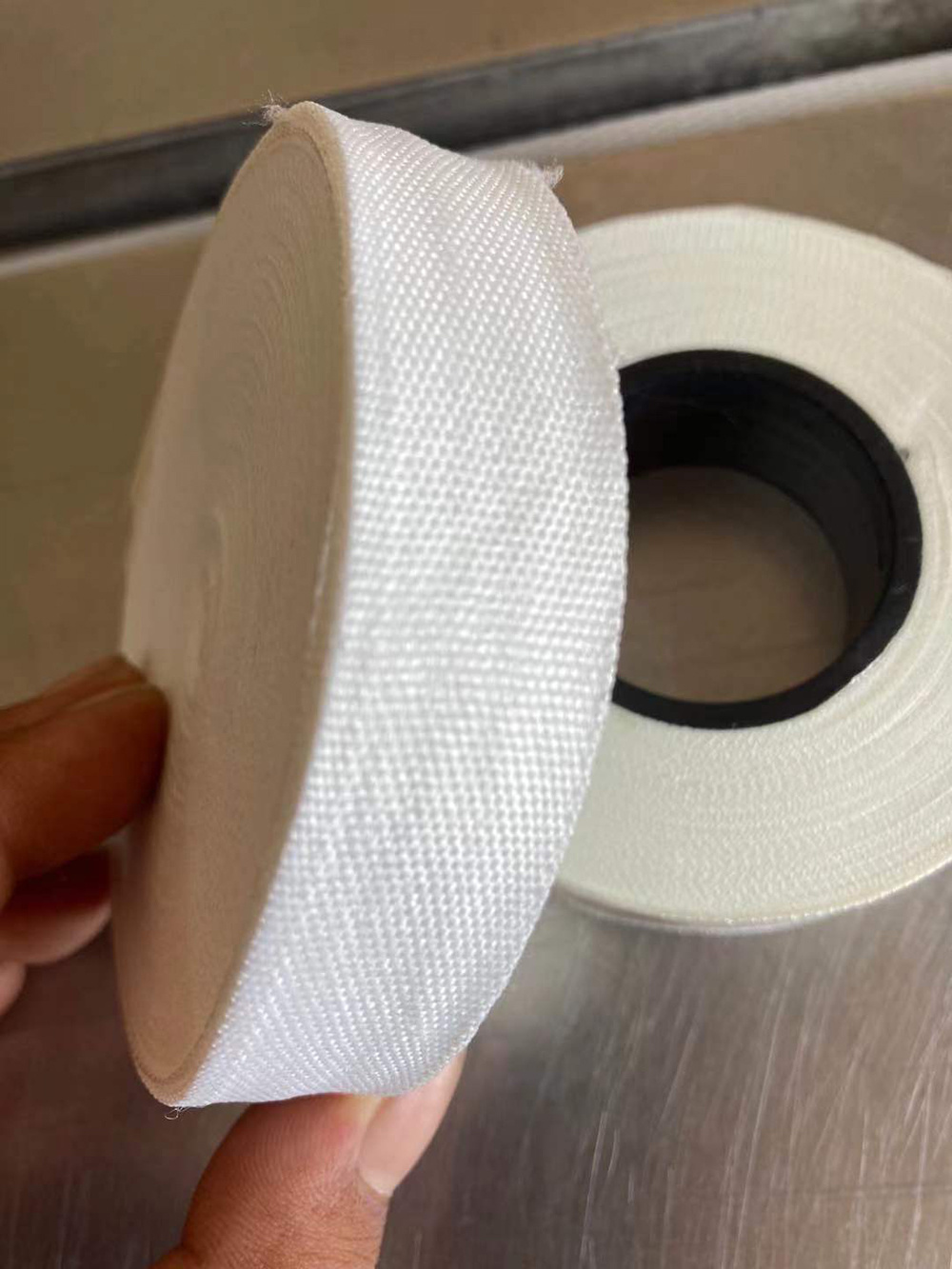
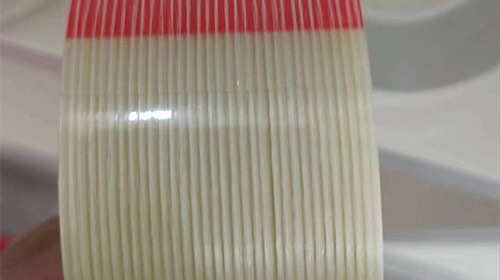
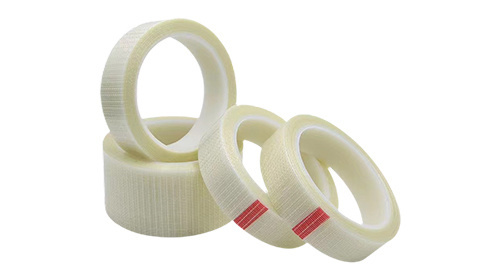
Woven fiber glass tape consists of interlaced glass fibers, offering enhanced strength and stability. This type is ideal for applications requiring high tensile strength, such as reinforcing seams and joints in insulation projects. **Woven fiber glass tape** is also resistant to high temperatures and chemicals, making it suitable for automotive and aerospace applications.
Non-Woven Fiber Glass Tape
Non-woven fiber glass tape is produced by bonding glass fibers together without weaving. This type of tape is softer and more flexible, making it an excellent choice for applications where ease of manipulation is required. **Non-woven fiber glass tape** is often used in electrical insulation and thermal protection, providing a reliable barrier against heat and moisture.
Key Features to Consider When Choosing Fiber Glass Tape
Selecting the right fiber glass tape involves evaluating several critical features that will influence performance and usability. Here are the essential factors to keep in mind:
Adhesive Quality
The adhesive quality of fiber glass tape is paramount, as it determines how effectively the tape will bond to surfaces. Opt for tapes that use high-performance adhesives, ensuring a strong, long-lasting hold. **Pressure-sensitive adhesives** are often preferred for their ease of use and ability to conform to various surfaces.
Temperature Resistance
Fiber glass tape is available with different temperature ratings. It's crucial to select a tape that can withstand the specific temperatures of your application environment. For high-temperature uses, such as in electronic components, look for tapes with a **high-temperature rating** to prevent degradation and ensure safety.
Thickness and Width
The thickness and width of fiber glass tape will also affect its performance. **Thicker tapes** offer increased durability and strength, while wider tapes provide better coverage for larger surfaces. Assess the requirements of your project to determine the most suitable dimensions for your needs.
Applicability in Different Industries
Fiber glass tape is used across various industries due to its versatile properties. Here’s a closer look at how it applies in specific fields:
Electrical Industry
In the electrical sector, fiber glass tape serves as an insulating material for wiring and circuit boards, providing protection against electrical shorts and heat. Its resistance to high temperatures makes it ideal for applications in motors and transformers.
Aerospace and Automotive Industries
Fiber glass tape's lightweight and strong characteristics make it a preferred choice in aerospace and automotive manufacturing. It is often used for insulating components and reinforcing structures, contributing to overall performance and safety.
Construction Industry
In construction, fiber glass tape is utilized for its durability and weather resistance. It is commonly applied in insulation projects, where it helps seal joints and seams in building materials, improving energy efficiency.
Expert Tips for Choosing Fiber Glass Tape
Making the right choice when it comes to fiber glass tape can be challenging. Here are some expert tips to guide your decision-making process:
1. **Assess Your Specific Needs**: Understand the requirements of your project, including temperature, adhesion, and flexibility.
2. **Conduct Research**: Investigate different brands and types of fiber glass tape, reading user reviews and specifications to identify the best options.
3. **Consult with Experts**: Don’t hesitate to seek advice from suppliers or industry professionals who can provide insight based on their experience.
4. **Test Samples**: If possible, obtain samples of different tape types to test their performance in your specific applications before making a bulk purchase.
Common Misconceptions About Fiber Glass Tape
There are several misconceptions surrounding fiber glass tape that can lead to poor purchasing decisions. Here are a few common myths:
- **All Fiber Glass Tapes Are the Same**: In reality, different types of fiber glass tape offer various properties and features tailored for specific applications.
- **Thicker Equals Better**: While thickness can contribute to durability, it’s essential to balance thickness with other factors like flexibility and application requirements.
- **Cost Is the Only Indicator of Quality**: A higher price doesn’t always guarantee superior quality. Research and performance evaluation are crucial.
FAQs Related to Fiber Glass Tape
1. What is fiber glass tape primarily used for?
Fiber glass tape is primarily used for electrical insulation, reinforcing seams, and protecting surfaces in various industries, including automotive and aerospace.
2. Can I use fiber glass tape outdoors?
Yes, many fiber glass tapes are designed for outdoor use, providing resistance to moisture and environmental factors.
3. How do I apply fiber glass tape correctly?
Ensure the surface is clean and dry, then unroll the tape and apply it evenly, pressing firmly to ensure a secure bond.
4. Is fiber glass tape reusable?
Generally, fiber glass tape is designed for single use and may lose its adhesive properties once removed.
5. How do I choose the right width of fiber glass tape for my project?
The right width depends on the area you need to cover. Ensure the tape is wide enough to provide adequate coverage without excess overlap.
Conclusion
Choosing the right fiber glass tape is essential for ensuring the success and longevity of your projects. By understanding the different types available, key features to consider, and the specific needs of your application, you can make an informed decision that meets your requirements. Whether you're in the electrical, aerospace, or construction industry, the right fiber glass tape can enhance performance and safety, making it a crucial component in your toolkit. Remember to research, consult experts, and assess your needs to find the ideal tape for your unique situation.


Phone/WhatsApp:
Email:
About Us
We firmly believe that by working together with global partners, we can jointly create a bright future for the electrical insulation materials industry.


Leave Message
If you have any queries about us or our product(s), feel free to drop us a message.