

Exploring the Advanced Features of High Temperature Insulation Tape: Unleashing its Potential in Electrical Applications
Exploring the Advanced Features of High Temperature Insulation Tape
Table of Contents
1. Introduction to High Temperature Insulation Tape
2. What is High Temperature Insulation Tape?
3. Key Features of High Temperature Insulation Tape
3.1 Exceptional Thermal Resistance
3.2 Superior Chemical Resistance
3.3 Outstanding Electrical Insulati
Exploring the Advanced Features of High Temperature Insulation Tape
Table of Contents
- 1. Introduction to High Temperature Insulation Tape
- 2. What is High Temperature Insulation Tape?
- 3. Key Features of High Temperature Insulation Tape
- 3.1 Exceptional Thermal Resistance
- 3.2 Superior Chemical Resistance
- 3.3 Outstanding Electrical Insulation
- 3.4 Flexibility and Durability
- 4. Applications of High Temperature Insulation Tape
- 5. Installation Tips for High Temperature Insulation Tape
- 6. Maintaining High Temperature Insulation Tape
- 7. Frequently Asked Questions
- 8. Conclusion
1. Introduction to High Temperature Insulation Tape
High temperature insulation tape is a specialized product designed to withstand extreme temperatures while providing excellent electrical insulation and thermal protection. Commonly used in various industries, this tape plays a crucial role in enhancing safety and efficiency, particularly in electrical applications. This article explores the advanced features of high temperature insulation tape, its applications, and tips for optimal use.
2. What is High Temperature Insulation Tape?
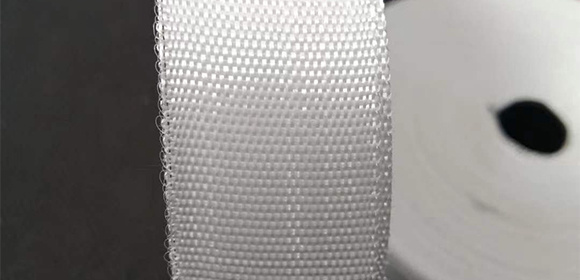
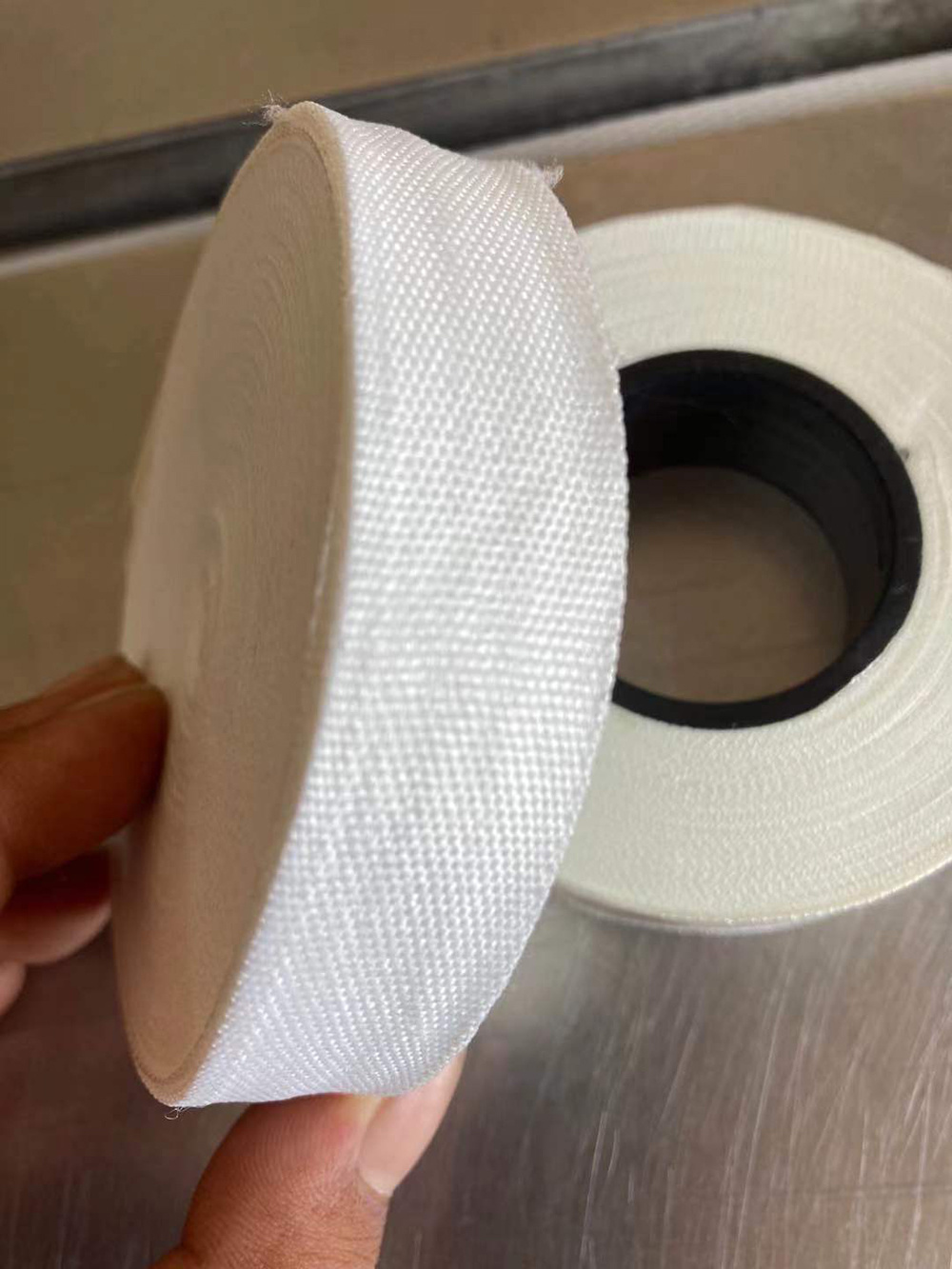
High temperature insulation tape is made from materials that can endure high heat without losing their properties. Typically, it is manufactured from polyimide, silicone, or fiberglass, each offering unique benefits for different applications. This tape is designed to provide insulation in environments where temperatures can exceed 200°C (392°F), making it an essential component in various industrial and electrical settings.
3. Key Features of High Temperature Insulation Tape
Understanding the key features of high temperature insulation tape is vital for selecting the right product for your specific needs. Here, we detail some of the most significant characteristics that set this tape apart from conventional insulation materials.
3.1 Exceptional Thermal Resistance
One of the primary features of high temperature insulation tape is its exceptional thermal resistance. It can maintain its integrity and performance in extreme temperatures, ensuring that it does not melt, degrade, or lose its adhesive properties. This makes it ideal for applications in motors, transformers, and heating elements, where high temperature exposure is common.
3.2 Superior Chemical Resistance
In addition to thermal stability, high temperature insulation tape also exhibits superior chemical resistance. This allows it to perform well in environments where contact with oils, solvents, and other harsh chemicals is possible. The ability to resist chemical degradation extends the lifespan of the tape, making it a cost-effective choice for long-term applications.
3.3 Outstanding Electrical Insulation
Electrical insulation is another critical feature of high temperature insulation tape. With high dielectric strength, it effectively prevents electrical conduction, making it safe for use in various electrical applications. This characteristic minimizes the risk of short circuits and electrical failures, enhancing the overall safety of electrical systems.
3.4 Flexibility and Durability
High temperature insulation tape is not only designed to withstand extreme conditions but also offers remarkable flexibility and durability. This flexibility enables it to adhere tightly to irregular surfaces, providing reliable insulation even in challenging environments. Its durability ensures it remains effective over time, resisting wear and tear from mechanical stress.
4. Applications of High Temperature Insulation Tape
High temperature insulation tape is versatile and finds applications across various industries. Below, we explore its primary uses and benefits in different sectors.
4.1 Electrical Applications
In the electrical industry, high temperature insulation tape is vital for insulating wires, cables, and components exposed to high temperatures. It is commonly used in electric motors, generators, and transformers, where maintaining electrical insulation is critical for preventing failures and ensuring operational efficiency.
4.2 Automotive Industry
The automotive industry also utilizes high temperature insulation tape extensively. It helps protect wiring and components from extreme heat generated by engines and exhaust systems. By preventing heat damage, this tape contributes to the longevity and reliability of automotive electrical systems.
4.3 Industrial Use
High temperature insulation tape sees frequent use in various industrial applications, including manufacturing, aerospace, and energy production. In these sectors, it is employed to insulate heating elements, protect sensitive equipment, and ensure compliance with safety regulations.
5. Installation Tips for High Temperature Insulation Tape
Proper installation is crucial for maximizing the performance of high temperature insulation tape. Here are some tips to ensure effective application:
1. **Surface Preparation**: Clean the surface thoroughly to remove any dirt, oil, or moisture. A clean surface promotes better adhesion and ensures the tape stays in place.
2. **Cutting the Tape**: Use a sharp knife or scissors to cut the tape to the desired length. Avoid tearing the tape, as this can compromise its effectiveness.
3. **Application Technique**: Start at one end of the surface and apply the tape evenly, ensuring there are no air bubbles or wrinkles. Overlap the tape slightly for better insulation coverage.
4. **Pressure Application**: Press firmly on the tape as you apply it. This ensures good contact with the surface and enhances adhesion, promoting long-lasting performance.
6. Maintaining High Temperature Insulation Tape
To ensure the longevity and effectiveness of high temperature insulation tape, regular inspections are essential. Here are some maintenance tips:
1. **Regular Checks**: Periodically inspect the tape for signs of wear, damage, or peeling. Early detection of issues can prevent more significant problems down the line.
2. **Environmental Considerations**: Be mindful of the environment in which the tape is used. Excessive exposure to harsh chemicals or extreme conditions can affect its performance over time.
3. **Replace When Necessary**: If you notice any signs of degradation or if the tape has reached the end of its usable life, replace it promptly to maintain safety and efficiency.
7. Frequently Asked Questions
1. What is the maximum temperature that high temperature insulation tape can withstand?
High temperature insulation tape can typically withstand temperatures exceeding 200°C (392°F), depending on the specific material used.
2. Can high temperature insulation tape be used outdoors?
Yes, many high temperature insulation tapes are designed for both indoor and outdoor use. However, it's essential to choose a tape that specifically states it is suitable for outdoor conditions.
3. How do I know which type of high temperature insulation tape to choose?
Select a type of high temperature insulation tape based on your specific application requirements, including the temperature range, chemical exposure, and electrical insulation needs.
4. Is high temperature insulation tape reusable?
In general, high temperature insulation tape is designed for single-use applications. Once applied, it may not adhere as effectively if removed and reapplied.
5. Can high temperature insulation tape be painted over?
While some types may tolerate a light coat of paint, it is generally not recommended, as this can affect the tape's insulation properties and overall performance.
8. Conclusion
High temperature insulation tape is a vital component in the electrical industry, offering exceptional thermal and electrical insulation capabilities. Its advanced features—such as thermal resistance, chemical resilience, and flexibility—make it indispensable for various applications, from automotive to industrial settings. By understanding its features and proper installation techniques, professionals can ensure they harness the full potential of this versatile tape, contributing to enhanced safety and efficiency in their projects. Embracing high temperature insulation tape not only results in superior performance but also promotes longevity and reliability in electrical systems.


Phone/WhatsApp:
Email:
About Us
We firmly believe that by working together with global partners, we can jointly create a bright future for the electrical insulation materials industry.


Leave Message
If you have any queries about us or our product(s), feel free to drop us a message.