
High-Temperature Insulation Tape: Essential Guide for Electrical Professionals
High-temperature insulation tape is a vital component in the electrical and electronics industry, particularly for applications that involve exposure to elevated temperatures. This specialized tape is designed to provide insulation and protection against heat, making it an essential tool for electricians and engineers who work with wiring, components, and machinery that operate under extreme condi
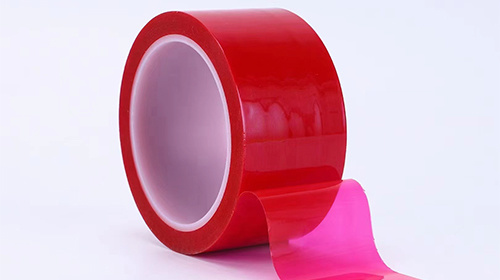
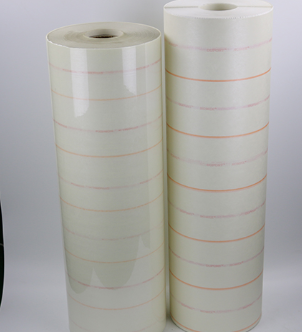
High-temperature insulation tape is a vital component in the electrical and electronics industry, particularly for applications that involve exposure to elevated temperatures. This specialized tape is designed to provide insulation and protection against heat, making it an essential tool for electricians and engineers who work with wiring, components, and machinery that operate under extreme conditions.
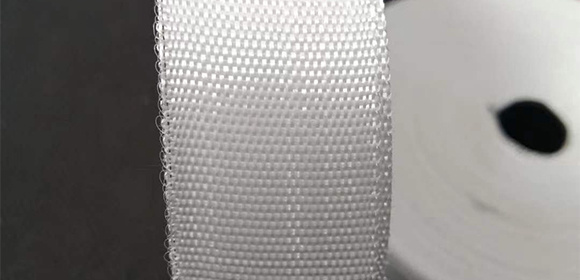
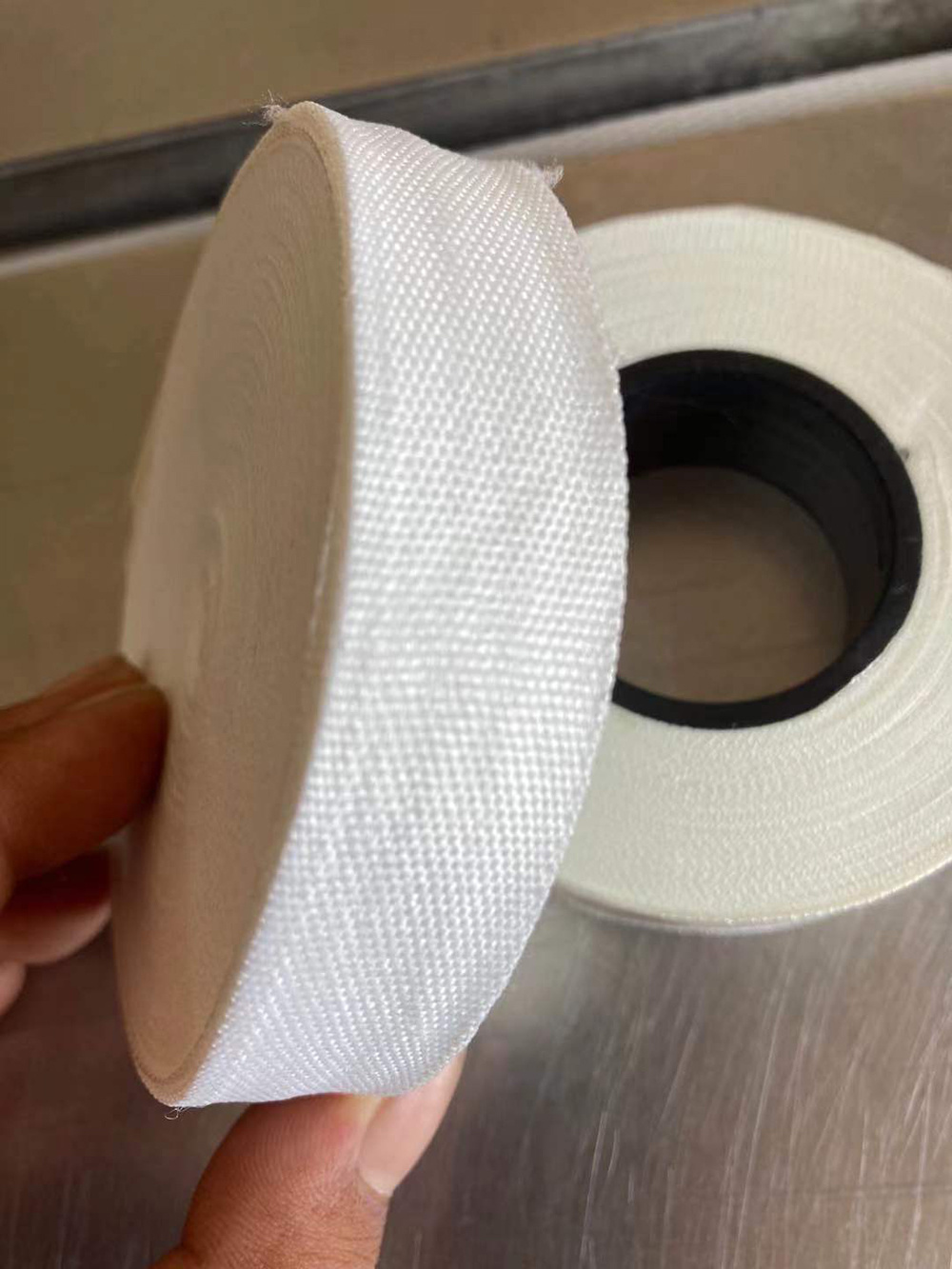
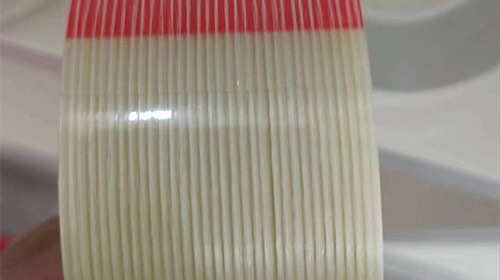
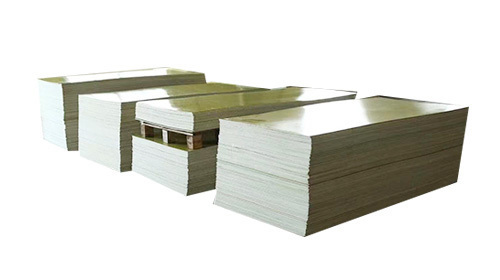
One of the primary functions of high-temperature insulation tape is its ability to maintain electrical integrity in high-heat environments. This tape is typically made from materials such as polyimide or fiberglass, which offer superior thermal resistance. As a result, it can withstand temperatures that exceed standard insulation materials, making it suitable for applications in industries such as aerospace, automotive, and manufacturing.
The benefits of using high-temperature insulation tape extend beyond thermal protection. It also provides excellent electrical insulation, which is crucial in preventing short circuits and electrical failures. By insulating wires and components, this tape helps ensure the safety and reliability of electrical systems. Furthermore, it is often resistant to chemicals, oils, and solvents, adding an additional layer of protection in environments where exposure to harsh substances is a concern.
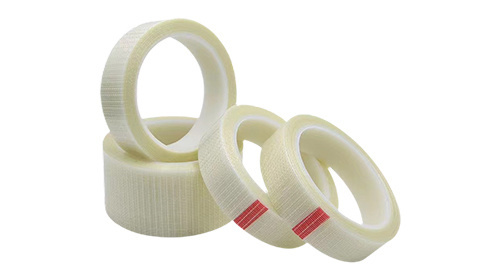
When selecting high-temperature insulation tape, it is essential to consider factors such as the temperature rating, width, and adhesive properties. The tape's temperature rating indicates its maximum operating temperature, which is critical in determining its suitability for specific applications. Width options can vary, allowing professionals to choose the right size for their projects. Additionally, the adhesive strength must be compatible with the surfaces to which the tape will be applied, ensuring a secure and lasting bond.
Proper application techniques are equally important when using high-temperature insulation tape. Surface preparation, such as cleaning and drying the application area, can significantly enhance adhesion and performance. It is also recommended to apply the tape with sufficient tension to avoid slack, which could compromise its insulating properties. For optimal results, following the manufacturer's guidelines regarding temperature limits and application methods is advisable.
In summary, high-temperature insulation tape is an invaluable asset for professionals in the electrical field. By understanding its features, benefits, and proper application techniques, electricians and engineers can ensure the safety and functionality of their electrical systems, even in the most demanding conditions. Whether you are working on wiring, circuit boards, or high-temperature applications, this specialized tape is an essential tool that should be part of your toolkit.
One of the primary functions of high-temperature insulation tape is its ability to maintain electrical integrity in high-heat environments. This tape is typically made from materials such as polyimide or fiberglass, which offer superior thermal resistance. As a result, it can withstand temperatures that exceed standard insulation materials, making it suitable for applications in industries such as aerospace, automotive, and manufacturing.
The benefits of using high-temperature insulation tape extend beyond thermal protection. It also provides excellent electrical insulation, which is crucial in preventing short circuits and electrical failures. By insulating wires and components, this tape helps ensure the safety and reliability of electrical systems. Furthermore, it is often resistant to chemicals, oils, and solvents, adding an additional layer of protection in environments where exposure to harsh substances is a concern.
When selecting high-temperature insulation tape, it is essential to consider factors such as the temperature rating, width, and adhesive properties. The tape's temperature rating indicates its maximum operating temperature, which is critical in determining its suitability for specific applications. Width options can vary, allowing professionals to choose the right size for their projects. Additionally, the adhesive strength must be compatible with the surfaces to which the tape will be applied, ensuring a secure and lasting bond.
Proper application techniques are equally important when using high-temperature insulation tape. Surface preparation, such as cleaning and drying the application area, can significantly enhance adhesion and performance. It is also recommended to apply the tape with sufficient tension to avoid slack, which could compromise its insulating properties. For optimal results, following the manufacturer's guidelines regarding temperature limits and application methods is advisable.
In summary, high-temperature insulation tape is an invaluable asset for professionals in the electrical field. By understanding its features, benefits, and proper application techniques, electricians and engineers can ensure the safety and functionality of their electrical systems, even in the most demanding conditions. Whether you are working on wiring, circuit boards, or high-temperature applications, this specialized tape is an essential tool that should be part of your toolkit.


Phone/WhatsApp:
Email:
About Us
We firmly believe that by working together with global partners, we can jointly create a bright future for the electrical insulation materials industry.


Leave Message
If you have any queries about us or our product(s), feel free to drop us a message.