
Maximizing Efficiency with Nomex Paper Flexible Composites: Unleashing the Power of Insulation
Maximizing Efficiency with Nomex Paper Flexible Composites
Introduction to Nomex Paper Flexible Composites
Nomex paper flexible composites have emerged as a game-changer in the field of electrical insulation. Their remarkable properties make them an ideal choice for various applications, particularly in industries where reliability and performance are paramount. In this article, we delve deep into
Maximizing Efficiency with Nomex Paper Flexible Composites
Introduction to Nomex Paper Flexible Composites
Nomex paper flexible composites have emerged as a game-changer in the field of electrical insulation. Their remarkable properties make them an ideal choice for various applications, particularly in industries where reliability and performance are paramount. In this article, we delve deep into what makes Nomex paper such a valuable resource, its composition, advantages, and its applications in enhancing efficiency across different sectors.
Understanding Nomex Paper: The Basics
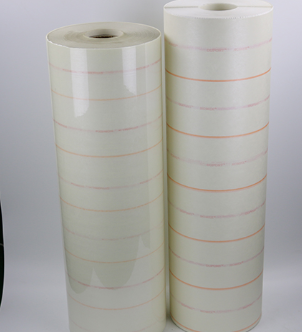
Nomex paper is a type of aramid paper that is renowned for its exceptional thermal and electrical insulation properties. Created by DuPont, Nomex embodies a unique structure that provides superior performance in demanding environments.
What is Nomex Paper Made Of?
Nomex is primarily composed of poly-m-phenylene isophthalamide, a high-performance polymer that offers excellent mechanical properties and thermal stability. This unique composition results in a flexible yet robust material that can withstand high temperatures and electrical stress without compromising its integrity.
Key Properties of Nomex Paper Flexible Composites
- **Thermal Resistance**: Nomex paper can withstand temperatures up to 220°C (428°F), making it suitable for high-temperature applications.
- **Electrical Insulation**: With its low dielectric constant and high breakdown voltage, Nomex serves as an excellent electrical insulator.
- **Chemical Stability**: The material is resistant to a range of chemicals, ensuring durability in hostile environments.
- **Mechanical Strength**: Nomex paper is both flexible and strong, allowing for various applications without the risk of tearing or deformation.
The Importance of Insulation in Electrical Applications
Insulation plays a critical role in electrical systems, protecting components and ensuring safety. Poor insulation can lead to electrical failures, resulting in downtime and costly repairs. As industries evolve and demand higher efficiency, selecting the right insulation materials becomes crucial.
Why Choose Nomex Paper Flexible Composites?
Nomex paper flexible composites stand out among insulation materials due to their unique combination of properties. They not only provide exceptional thermal and electrical insulation but also contribute to overall efficiency in electrical systems. By minimizing energy loss and enhancing performance, these composites help businesses save on operational costs.
Applications of Nomex Paper Flexible Composites
Nomex paper flexible composites find applications across various industries, including:
1. Electrical Equipment
In transformers, motors, and generators, Nomex paper is used as insulation between windings and other components, ensuring safety and reliability in operation.
2. Aerospace Industry
Nomex's lightweight nature and thermal resistance make it an ideal choice for insulation in aircraft, enhancing performance and fuel efficiency.
3. Automotive Sector
With the rise of electric vehicles, Nomex paper flexible composites are increasingly used in battery insulation, ensuring safe and efficient operation.
4. Construction and Building Materials
Nomex paper can be utilized in the building industry as insulation in walls and roofs, contributing to energy efficiency in buildings.
5. Consumer Electronics
Nomex paper is often found in the insulation of electronic devices, providing protection against overheating and enhancing overall device longevity.
Maximizing Efficiency with Nomex Paper Composites
To truly maximize efficiency using Nomex paper flexible composites, it is essential to understand how to integrate them effectively into existing systems.
1. Selecting the Right Grade of Nomex
Different applications may require specific grades of Nomex paper. It is crucial to choose the right grade that aligns with your operational temperature and electrical requirements.
2. Proper Installation Techniques
Correct installation practices are vital in ensuring optimal performance. Misalignment or improper handling can lead to inefficiencies and increased risk of failure.
3. Regular Maintenance
While Nomex paper is durable, regular inspections and maintenance can help identify potential issues before they escalate, ensuring your systems operate at peak efficiency.
Innovative Solutions Utilizing Nomex Paper Flexible Composites
The versatility of Nomex paper flexible composites opens up avenues for innovation across different sectors.
1. Hybrid Composites
Combining Nomex with other materials can lead to the development of hybrid composites that offer enhanced properties for specialized applications.
2. Advanced Coatings
Applying advanced coatings to Nomex paper composites can further improve their thermal stability and chemical resistance, making them suitable for even more extreme environments.
3. Eco-Friendly Solutions
As sustainability becomes a priority, exploring eco-friendly production techniques for Nomex paper composites can align with global efforts to reduce environmental impact.
Challenges and Considerations
While Nomex paper flexible composites offer numerous advantages, there are challenges to consider.
1. Cost Factors
The initial investment in Nomex paper composites may be higher than traditional insulation materials, but the long-term savings through efficiency should be considered.
2. Availability and Sourcing
Ensuring a steady supply of quality Nomex paper can be challenging. Partnering with reliable suppliers is essential to maintain operational efficiency.
3. Training and Expertise
Proper training for staff on handling and installing Nomex paper composites can mitigate risks and enhance operational efficiency.
FAQs About Nomex Paper Flexible Composites
1. What are the primary uses of Nomex paper flexible composites?
Nomex paper flexible composites are widely used for electrical insulation in transformers, motors, aerospace applications, automotive industries, and consumer electronics.
2. How does Nomex paper compare to other insulation materials?
Nomex paper offers superior thermal resistance, electrical insulation, and mechanical strength compared to traditional insulation materials like polyester or fiberglass.
3. Can Nomex paper composites be recycled?
While recycling options are limited, some facilities can process Nomex. It is essential to consult local recycling guidelines.
4. What temperature range can Nomex paper withstand?
Nomex paper can withstand temperatures of up to 220°C (428°F), making it suitable for high-temperature applications.
5. How can I ensure the longevity of Nomex paper composites?
Regular maintenance, proper installation, and selecting the appropriate grade for your application can optimize the longevity and performance of Nomex paper composites.
Conclusion
Nomex paper flexible composites represent a significant advancement in electrical insulation technology. Their unique combination of thermal resistance, electrical insulation properties, and mechanical strength makes them an invaluable resource across various sectors. By understanding their applications, maximizing their efficiency, and addressing potential challenges, industries can leverage the full potential of Nomex paper composites for enhanced operational performance. As we move towards a more energy-efficient future, embracing these innovative materials will play a pivotal role in achieving our goals.


Phone/WhatsApp:
Email:
About Us
We firmly believe that by working together with global partners, we can jointly create a bright future for the electrical insulation materials industry.


Leave Message
If you have any queries about us or our product(s), feel free to drop us a message.