
Understanding High-Temperature Insulation Tape: A Guide for Electrical Applications
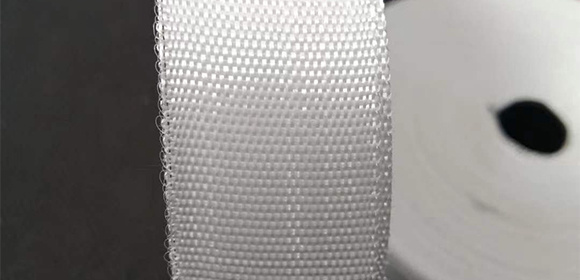
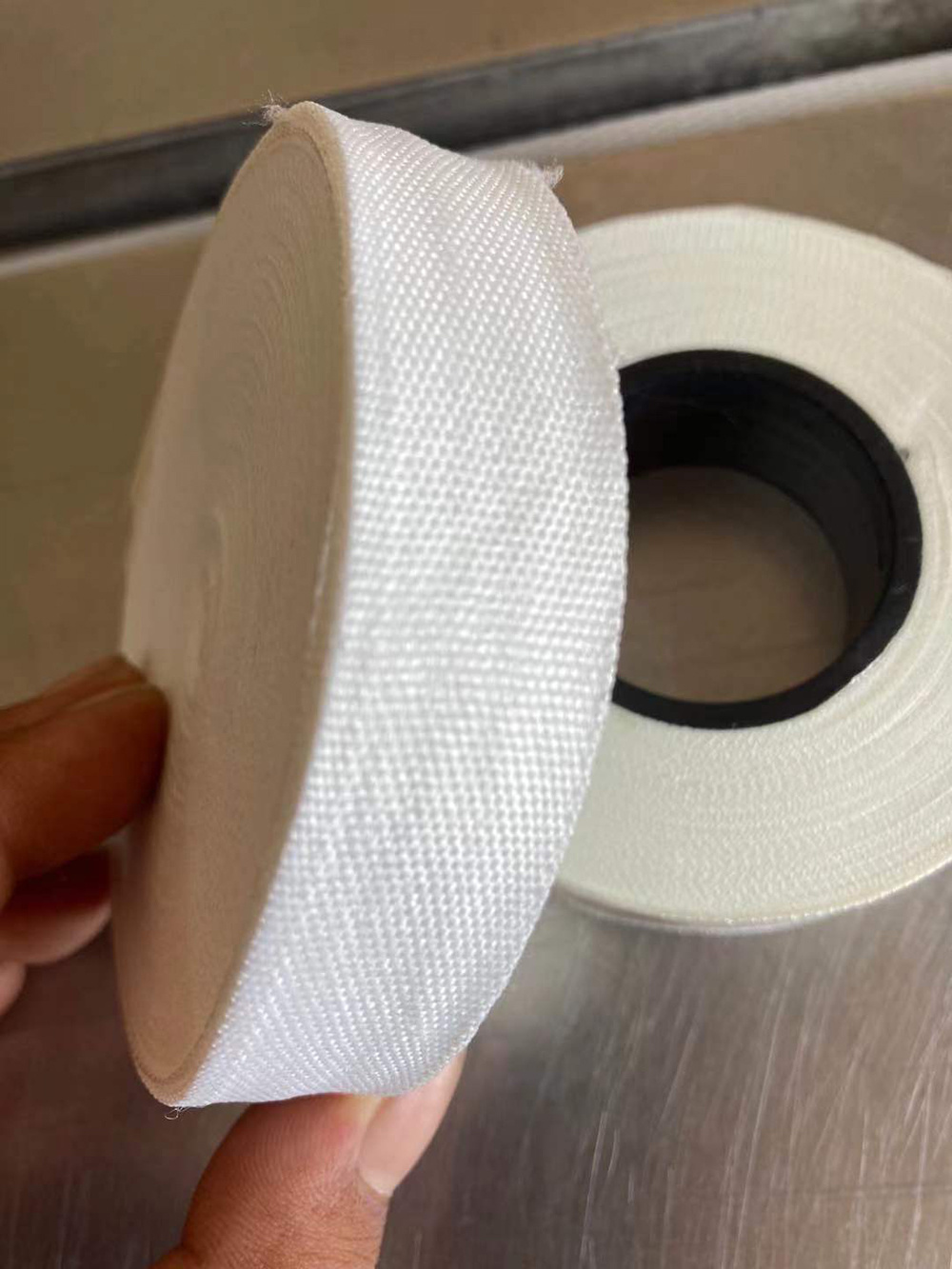
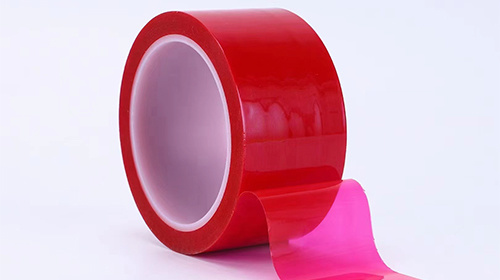
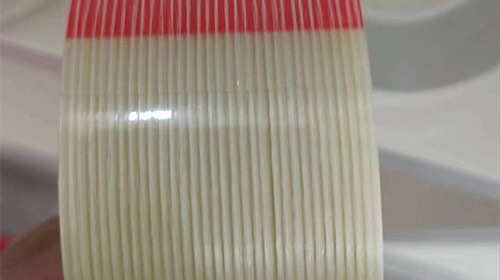
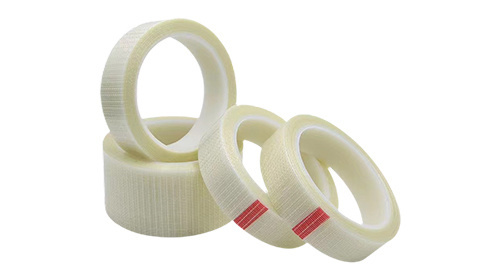
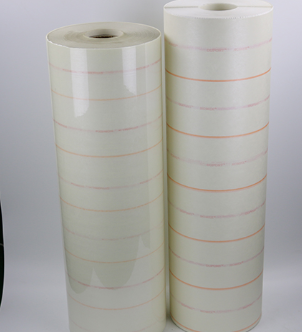
High-temperature insulation tape is an invaluable component in the electrical and electronics industry, particularly when it comes to ensuring safety and reliability in high-heat environments. This specialized tape is designed to withstand elevated temperatures while providing excellent insulation properties. Typically made from materials such as silicone, fiberglass, or polyester, high-temperature insulation tape offers significant advantages for both industrial and residential applications.

One of the primary features of high-temperature insulation tape is its impressive thermal resistance. While standard tapes may degrade or lose their adhesive properties when exposed to heat, high-temperature variants can typically operate effectively in environments exceeding 200°C (392°F). This capability makes them ideal for use in applications such as motor winding, transformer insulation, and other electrical components that generate significant heat during operation.
Another important aspect of high-temperature insulation tape is its electrical insulation properties. This tape effectively prevents electrical current from passing through, thereby reducing the risk of short circuits and electrical failures. It is critical for protecting wiring and components in applications ranging from automotive to aerospace, where electrical insulation is paramount for safety and performance.
In addition to temperature and electrical resistance, high-temperature insulation tape also boasts excellent chemical resistance. It can withstand exposure to oils, solvents, and other harsh chemicals, making it suitable for use in environments where such substances are present. This durability extends the life of the insulation and reduces the need for frequent replacements, thereby saving time and resources.
When using high-temperature insulation tape, it is important to consider the surface preparation to ensure optimal adhesion. Clean, dry surfaces free from dust and grease will allow the tape to bond more effectively. Additionally, while applying the tape, it is essential to stretch it slightly to ensure a tight fit and prevent any gaps that could compromise insulation.
In summary, high-temperature insulation tape is an essential tool for anyone working in electrical applications where heat resistance and electrical insulation are critical. Its ability to withstand high temperatures, resist chemicals, and provide excellent electrical insulation makes it an indispensable resource in various industries. By understanding the features and benefits of high-temperature insulation tape, professionals can make informed decisions that enhance safety and efficiency in their electrical systems.


Phone/WhatsApp:
Email:
About Us
We firmly believe that by working together with global partners, we can jointly create a bright future for the electrical insulation materials industry.


Leave Message
If you have any queries about us or our product(s), feel free to drop us a message.