
Exploring the Benefits and Applications of 6520 Fish Paper Composite Material in Electrical Insulation
---
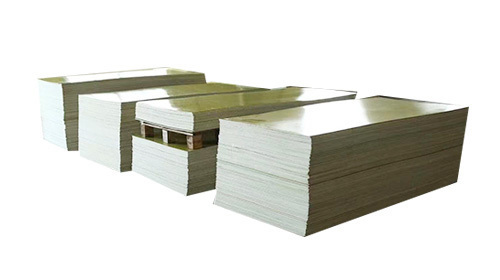
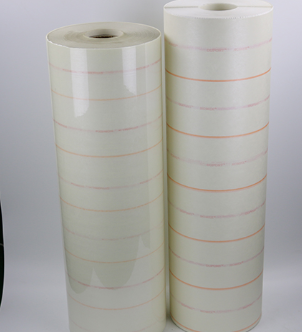
The 6520 Fish Paper Composite Material is a specialized product widely utilized in the electrical insulation sector, particularly for its exceptional performance characteristics. This composite material, primarily made of cellulose fibers, is known for its superior electrical insulating properties, making it suitable for various applications in the electrical and electronics industry.
One of t
---
The 6520 Fish Paper Composite Material is a specialized product widely utilized in the electrical insulation sector, particularly for its exceptional performance characteristics. This composite material, primarily made of cellulose fibers, is known for its superior electrical insulating properties, making it suitable for various applications in the electrical and electronics industry.
One of the key advantages of 6520 fish paper composite material is its excellent dielectric strength. This property allows it to withstand high voltage conditions, making it ideal for applications such as transformers, capacitors, and other high-voltage electrical devices. Furthermore, its low moisture absorption rate ensures stability and reliability in humid or varying environmental conditions, which is crucial for maintaining the integrity of electrical components.
Another significant benefit of the 6520 fish paper composite is its thermal resistance. It is capable of functioning in a wide range of temperatures, which is essential for insulating materials used in high-heat environments. This thermal stability helps prevent overheating and contributes to the longevity of electrical systems, reducing the risk of failures or hazardous incidents.
In addition to its insulating properties, the 6520 fish paper composite material is also lightweight and flexible, allowing for easy handling and installation. These characteristics make it a preferred choice in the manufacturing of electrical insulation components, such as gaskets, spacers, and liners. Its adaptability to various shapes and sizes further enhances its utility in diverse applications.
Environmental considerations are increasingly important in today's industry landscape. The 6520 fish paper composite material, being made from renewable resources, aligns with sustainable practices, allowing manufacturers to cater to eco-conscious clients without compromising on performance.
Moreover, the production of 6520 fish paper composite material involves processes that minimize waste and energy consumption, making it an attractive option for companies aiming to enhance their sustainability profile.
In conclusion, the 6520 fish paper composite material stands out as a versatile and high-performing option within the electrical insulation industry. Its unique combination of dielectric strength, thermal resistance, and environmental sustainability makes it a valuable asset for professionals seeking to optimize their electrical components. Understanding and leveraging the benefits of this material can lead to safer, more efficient, and more sustainable electrical applications.
The 6520 Fish Paper Composite Material is a specialized product widely utilized in the electrical insulation sector, particularly for its exceptional performance characteristics. This composite material, primarily made of cellulose fibers, is known for its superior electrical insulating properties, making it suitable for various applications in the electrical and electronics industry.
One of the key advantages of 6520 fish paper composite material is its excellent dielectric strength. This property allows it to withstand high voltage conditions, making it ideal for applications such as transformers, capacitors, and other high-voltage electrical devices. Furthermore, its low moisture absorption rate ensures stability and reliability in humid or varying environmental conditions, which is crucial for maintaining the integrity of electrical components.
Another significant benefit of the 6520 fish paper composite is its thermal resistance. It is capable of functioning in a wide range of temperatures, which is essential for insulating materials used in high-heat environments. This thermal stability helps prevent overheating and contributes to the longevity of electrical systems, reducing the risk of failures or hazardous incidents.
In addition to its insulating properties, the 6520 fish paper composite material is also lightweight and flexible, allowing for easy handling and installation. These characteristics make it a preferred choice in the manufacturing of electrical insulation components, such as gaskets, spacers, and liners. Its adaptability to various shapes and sizes further enhances its utility in diverse applications.
Environmental considerations are increasingly important in today's industry landscape. The 6520 fish paper composite material, being made from renewable resources, aligns with sustainable practices, allowing manufacturers to cater to eco-conscious clients without compromising on performance.
Moreover, the production of 6520 fish paper composite material involves processes that minimize waste and energy consumption, making it an attractive option for companies aiming to enhance their sustainability profile.
In conclusion, the 6520 fish paper composite material stands out as a versatile and high-performing option within the electrical insulation industry. Its unique combination of dielectric strength, thermal resistance, and environmental sustainability makes it a valuable asset for professionals seeking to optimize their electrical components. Understanding and leveraging the benefits of this material can lead to safer, more efficient, and more sustainable electrical applications.


Phone/WhatsApp:
Email:
About Us
We firmly believe that by working together with global partners, we can jointly create a bright future for the electrical insulation materials industry.


Leave Message
If you have any queries about us or our product(s), feel free to drop us a message.