
Understanding Fiberglass Tape: A Versatile Insulation Solution
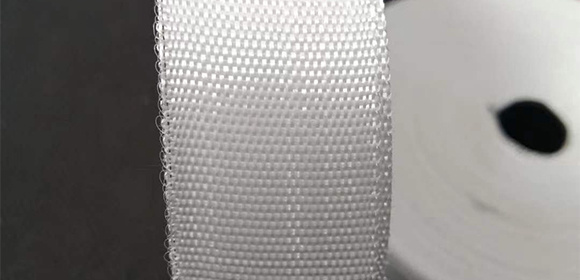
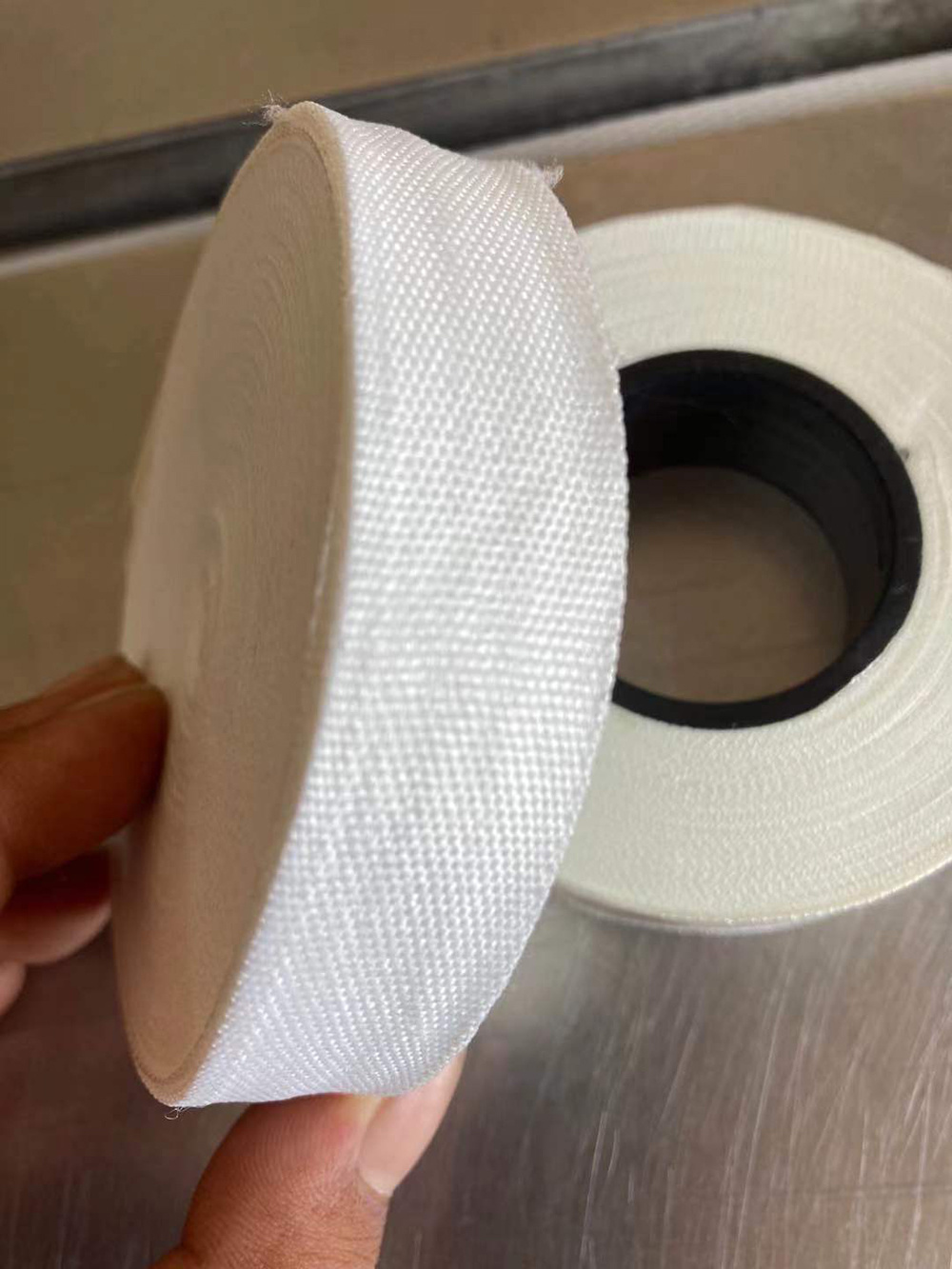
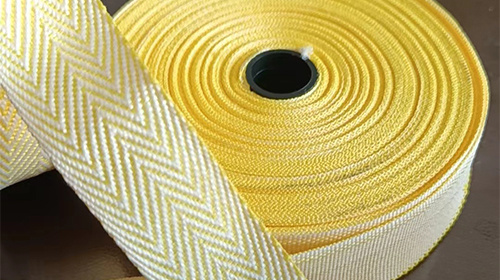
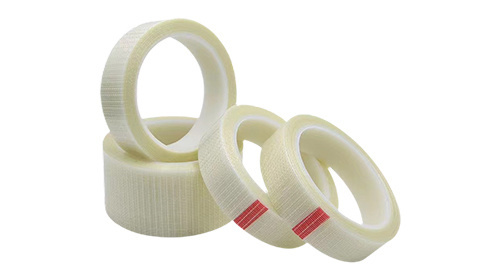
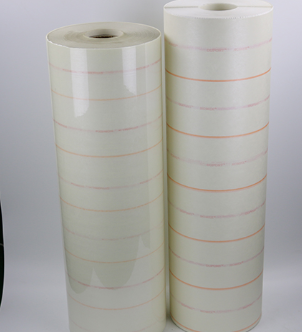
Fiberglass tape is a highly efficient insulating material widely used in the electrical industry, particularly in applications requiring heat resistance and electrical insulation. Made from woven fiberglass fibers, this tape is known for its durability, resilience, and ability to withstand high temperatures, making it an ideal choice for various electrical insulation needs.
One of the most signifi
Fiberglass tape is a highly efficient insulating material widely used in the electrical industry, particularly in applications requiring heat resistance and electrical insulation. Made from woven fiberglass fibers, this tape is known for its durability, resilience, and ability to withstand high temperatures, making it an ideal choice for various electrical insulation needs.
One of the most significant advantages of fiberglass tape is its excellent thermal resistance. It can typically withstand temperatures up to 600°F (315°C), making it suitable for use in high-temperature environments such as industrial machinery, electrical components, and even in automotive applications. This high-temperature tolerance ensures that it maintains its integrity and insulation properties, providing reliable performance over time.
Additionally, fiberglass tape is non-conductive, which means it does not conduct electricity and can safely wrap around electrical wires and components without risk of short-circuiting. This property is crucial for electricians and technicians who need dependable insulation materials to protect sensitive electrical equipment and ensure safety during installations or repairs. Its non-conductive nature also contributes to its use in various industries apart from electrical applications, such as automotive and aerospace, where heat resistance and insulation are critical.
Another essential feature of fiberglass tape is its resistance to moisture and chemicals. This characteristic helps protect against environmental factors that could compromise the insulation quality over time. Fiberglass tape can resist the effects of oil, solvents, and other corrosive substances, making it suitable for use in harsh conditions.
When it comes to application, fiberglass tape is versatile and straightforward to use. It can be wrapped around wires, insulated connectors, and even used for reinforcing or repairing damaged insulation. Its adhesive backing provides convenience during installation, ensuring a secure bond to the surface it covers. Professionals often prefer fiberglass tape for bundling cables and wires together, providing not only insulation but also organization within a workspace.
In summary, fiberglass tape is a robust and effective insulation material that offers numerous benefits for electrical applications. Its high-temperature resistance, non-conductive properties, and durability against moisture and chemicals make it an exceptional choice for electricians and technicians. Whether used in industrial settings, automotive applications, or home electrical projects, fiberglass tape proves to be an invaluable asset in ensuring safety and reliability in electrical insulation. For anyone involved in the electrical industry, understanding the advantages and applications of fiberglass tape can lead to better project outcomes and enhanced safety standards.
One of the most significant advantages of fiberglass tape is its excellent thermal resistance. It can typically withstand temperatures up to 600°F (315°C), making it suitable for use in high-temperature environments such as industrial machinery, electrical components, and even in automotive applications. This high-temperature tolerance ensures that it maintains its integrity and insulation properties, providing reliable performance over time.
Additionally, fiberglass tape is non-conductive, which means it does not conduct electricity and can safely wrap around electrical wires and components without risk of short-circuiting. This property is crucial for electricians and technicians who need dependable insulation materials to protect sensitive electrical equipment and ensure safety during installations or repairs. Its non-conductive nature also contributes to its use in various industries apart from electrical applications, such as automotive and aerospace, where heat resistance and insulation are critical.
Another essential feature of fiberglass tape is its resistance to moisture and chemicals. This characteristic helps protect against environmental factors that could compromise the insulation quality over time. Fiberglass tape can resist the effects of oil, solvents, and other corrosive substances, making it suitable for use in harsh conditions.
When it comes to application, fiberglass tape is versatile and straightforward to use. It can be wrapped around wires, insulated connectors, and even used for reinforcing or repairing damaged insulation. Its adhesive backing provides convenience during installation, ensuring a secure bond to the surface it covers. Professionals often prefer fiberglass tape for bundling cables and wires together, providing not only insulation but also organization within a workspace.
In summary, fiberglass tape is a robust and effective insulation material that offers numerous benefits for electrical applications. Its high-temperature resistance, non-conductive properties, and durability against moisture and chemicals make it an exceptional choice for electricians and technicians. Whether used in industrial settings, automotive applications, or home electrical projects, fiberglass tape proves to be an invaluable asset in ensuring safety and reliability in electrical insulation. For anyone involved in the electrical industry, understanding the advantages and applications of fiberglass tape can lead to better project outcomes and enhanced safety standards.


Phone/WhatsApp:
Email:
About Us
We firmly believe that by working together with global partners, we can jointly create a bright future for the electrical insulation materials industry.


Leave Message
If you have any queries about us or our product(s), feel free to drop us a message.