
Understanding Fiberglass Tape: A Versatile Insulation Material for Electrical Applications
Fiberglass tape is a highly versatile insulation material widely utilized in the electrical and electrical engineering sectors. Composed of woven fiberglass strands coated with a resin or other adhesive, this tape is known for its exceptional thermal and electrical insulation properties. Due to its durability, heat resistance, and flexibility, fiberglass tape serves a crucial role in various appli
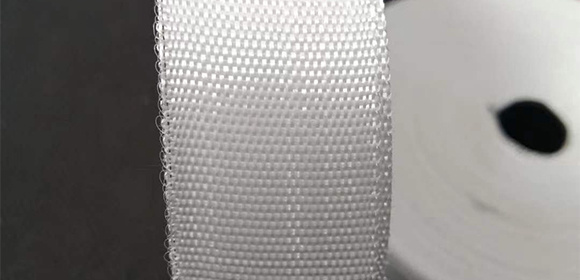
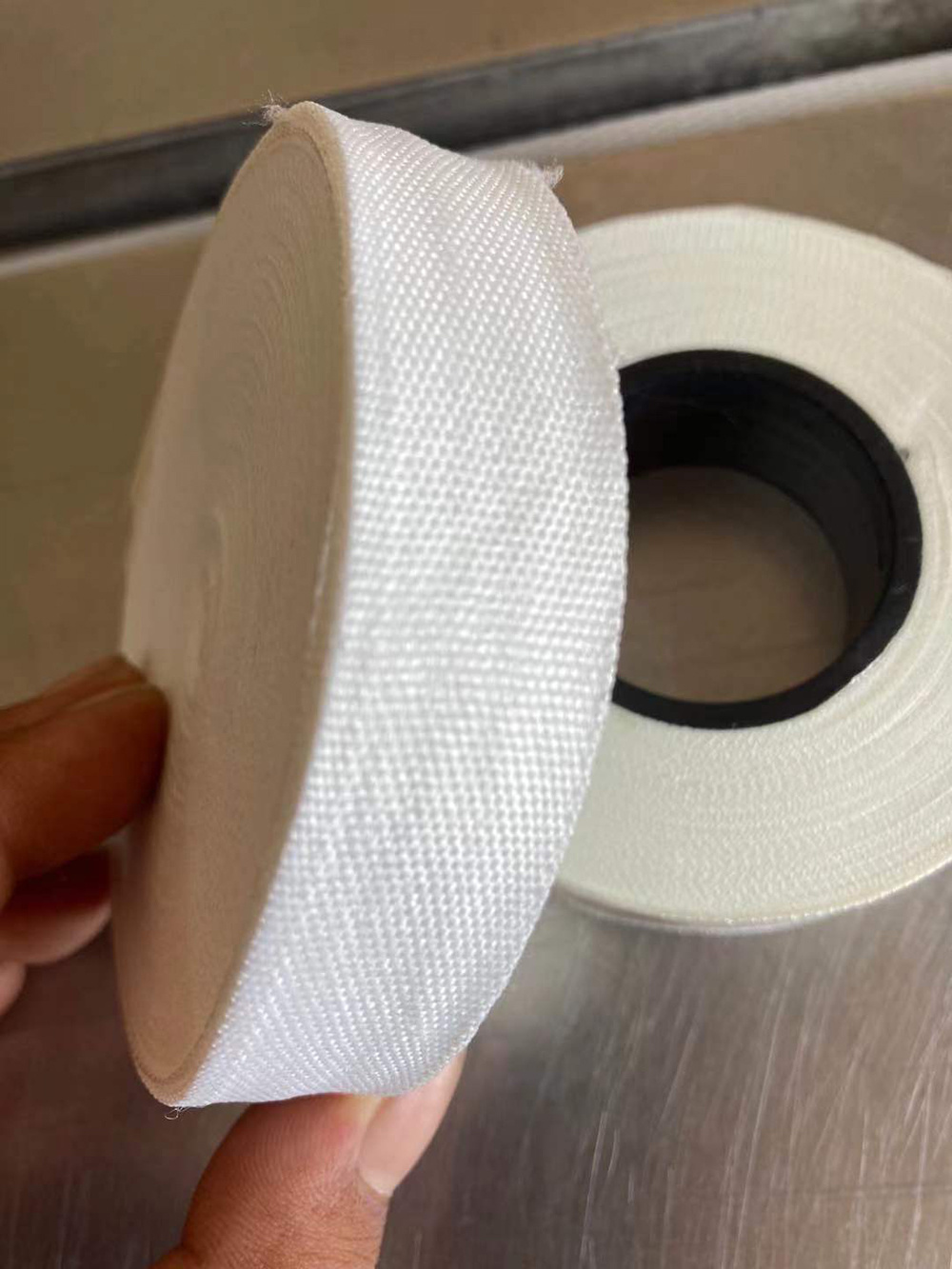
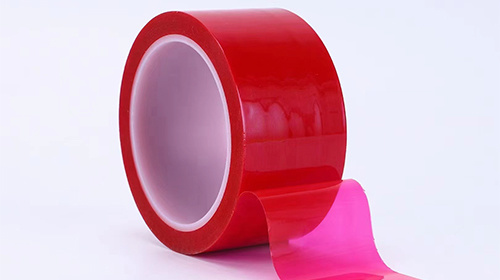
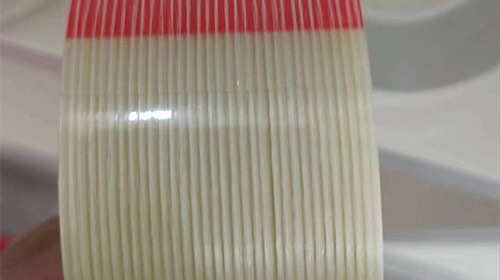
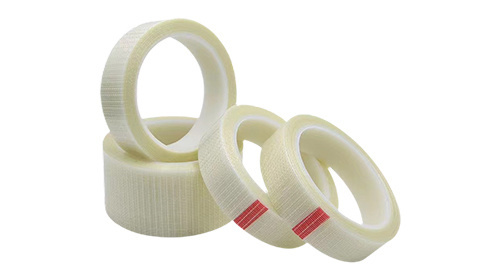
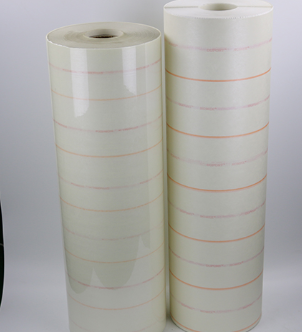
Fiberglass tape is a highly versatile insulation material widely utilized in the electrical and electrical engineering sectors. Composed of woven fiberglass strands coated with a resin or other adhesive, this tape is known for its exceptional thermal and electrical insulation properties. Due to its durability, heat resistance, and flexibility, fiberglass tape serves a crucial role in various applications, from insulation of wiring in electrical installations to reinforcing components in demanding environments.
One of the main advantages of fiberglass tape is its ability to withstand high temperatures, making it an excellent choice for applications involving heat-sensitive components. Typically, fiberglass tape can endure temperatures ranging from -50°C to +260°C, depending on the specific product formulation. This characteristic makes it particularly suitable for use in industrial environments, electrical insulation, and even automotive applications where heat management is critical.
Another notable feature of fiberglass tape is its electrical insulation capabilities. Fiberglass, by nature, is a non-conductive material, which prevents any electrical current from passing through it. This property is immensely valuable in protecting electrical circuits, reducing the risk of short circuits, and ensuring safe operation in various applications, including transformers, motors, and generators. When selecting fiberglass tape for electrical insulation, it's essential to consider the voltage rating and specific characteristics that meet the requirements of your project.
In addition to its thermal and electrical insulation properties, fiberglass tape offers mechanical strength and resistance to environmental factors. It can withstand chemical exposure, moisture, and various weather conditions, making it suitable for both indoor and outdoor use. This resilience adds to its versatility, allowing it to be utilized in applications ranging from electrical wiring insulation to general-purpose repairs in construction and manufacturing.
When using fiberglass tape, proper application techniques are essential for achieving optimal performance. Clean surfaces should be ensured before applying the tape, and overlaps should be minimized to maintain a strong bond and effective insulation. Depending on the application, the tape may be cut to size and wrapped around wires, components, or surfaces, ensuring a secure and seamless insulation layer.
In conclusion, fiberglass tape stands out as a reliable and effective insulation material within the electrical industry. Its unique properties, including high-temperature tolerance, excellent electrical insulation, and mechanical strength, make it an indispensable product for various applications. For professionals in the electrical field, understanding the benefits and proper usage of fiberglass tape can lead to enhanced safety, performance, and longevity of electrical systems.
One of the main advantages of fiberglass tape is its ability to withstand high temperatures, making it an excellent choice for applications involving heat-sensitive components. Typically, fiberglass tape can endure temperatures ranging from -50°C to +260°C, depending on the specific product formulation. This characteristic makes it particularly suitable for use in industrial environments, electrical insulation, and even automotive applications where heat management is critical.
Another notable feature of fiberglass tape is its electrical insulation capabilities. Fiberglass, by nature, is a non-conductive material, which prevents any electrical current from passing through it. This property is immensely valuable in protecting electrical circuits, reducing the risk of short circuits, and ensuring safe operation in various applications, including transformers, motors, and generators. When selecting fiberglass tape for electrical insulation, it's essential to consider the voltage rating and specific characteristics that meet the requirements of your project.
In addition to its thermal and electrical insulation properties, fiberglass tape offers mechanical strength and resistance to environmental factors. It can withstand chemical exposure, moisture, and various weather conditions, making it suitable for both indoor and outdoor use. This resilience adds to its versatility, allowing it to be utilized in applications ranging from electrical wiring insulation to general-purpose repairs in construction and manufacturing.
When using fiberglass tape, proper application techniques are essential for achieving optimal performance. Clean surfaces should be ensured before applying the tape, and overlaps should be minimized to maintain a strong bond and effective insulation. Depending on the application, the tape may be cut to size and wrapped around wires, components, or surfaces, ensuring a secure and seamless insulation layer.
In conclusion, fiberglass tape stands out as a reliable and effective insulation material within the electrical industry. Its unique properties, including high-temperature tolerance, excellent electrical insulation, and mechanical strength, make it an indispensable product for various applications. For professionals in the electrical field, understanding the benefits and proper usage of fiberglass tape can lead to enhanced safety, performance, and longevity of electrical systems.


Phone/WhatsApp:
Email:
About Us
We firmly believe that by working together with global partners, we can jointly create a bright future for the electrical insulation materials industry.


Leave Message
If you have any queries about us or our product(s), feel free to drop us a message.