
Innovative Uses of Mesh Fiberglass Tape in Electrical Engineering
Innovative Uses of Mesh Fiberglass Tape in Electrical Engineering
Table of Contents
1. Introduction to Mesh Fiberglass Tape
2. What is Mesh Fiberglass Tape?
3. Properties and Benefits of Mesh Fiberglass Tape
4. Applications in Electrical Engineering
4.1 Insulation Applications
4.2 Reinforcement in Electrical Systems
4.3 Cable Management Solutions
4.4 Fire Resi
Innovative Uses of Mesh Fiberglass Tape in Electrical Engineering
Table of Contents
- 1. Introduction to Mesh Fiberglass Tape
- 2. What is Mesh Fiberglass Tape?
- 3. Properties and Benefits of Mesh Fiberglass Tape
- 4. Applications in Electrical Engineering
- 4.1 Insulation Applications
- 4.2 Reinforcement in Electrical Systems
- 4.3 Cable Management Solutions
- 4.4 Fire Resistance and Protection
- 5. Installation Techniques for Mesh Fiberglass Tape
- 6. Comparison with Other Insulating Materials
- 7. Future Trends in Mesh Fiberglass Tape Usage
- 8. FAQs about Mesh Fiberglass Tape
- 9. Conclusion
1. Introduction to Mesh Fiberglass Tape
In the ever-evolving landscape of electrical engineering, innovation is key to maintaining efficiency and safety. Among the various materials that have emerged as game-changers, **mesh fiberglass tape** stands out due to its unique properties and versatile applications. This article delves into the innovative uses of mesh fiberglass tape, particularly within the realm of electrical engineering, illuminating how this seemingly simple tape can revolutionize practices and enhance overall performance.
2. What is Mesh Fiberglass Tape?
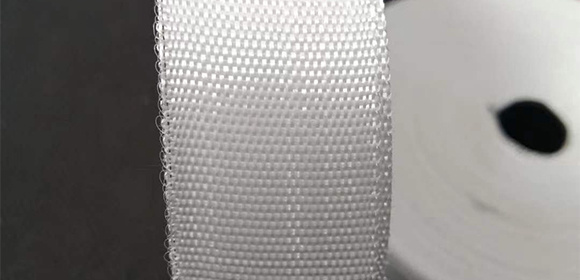
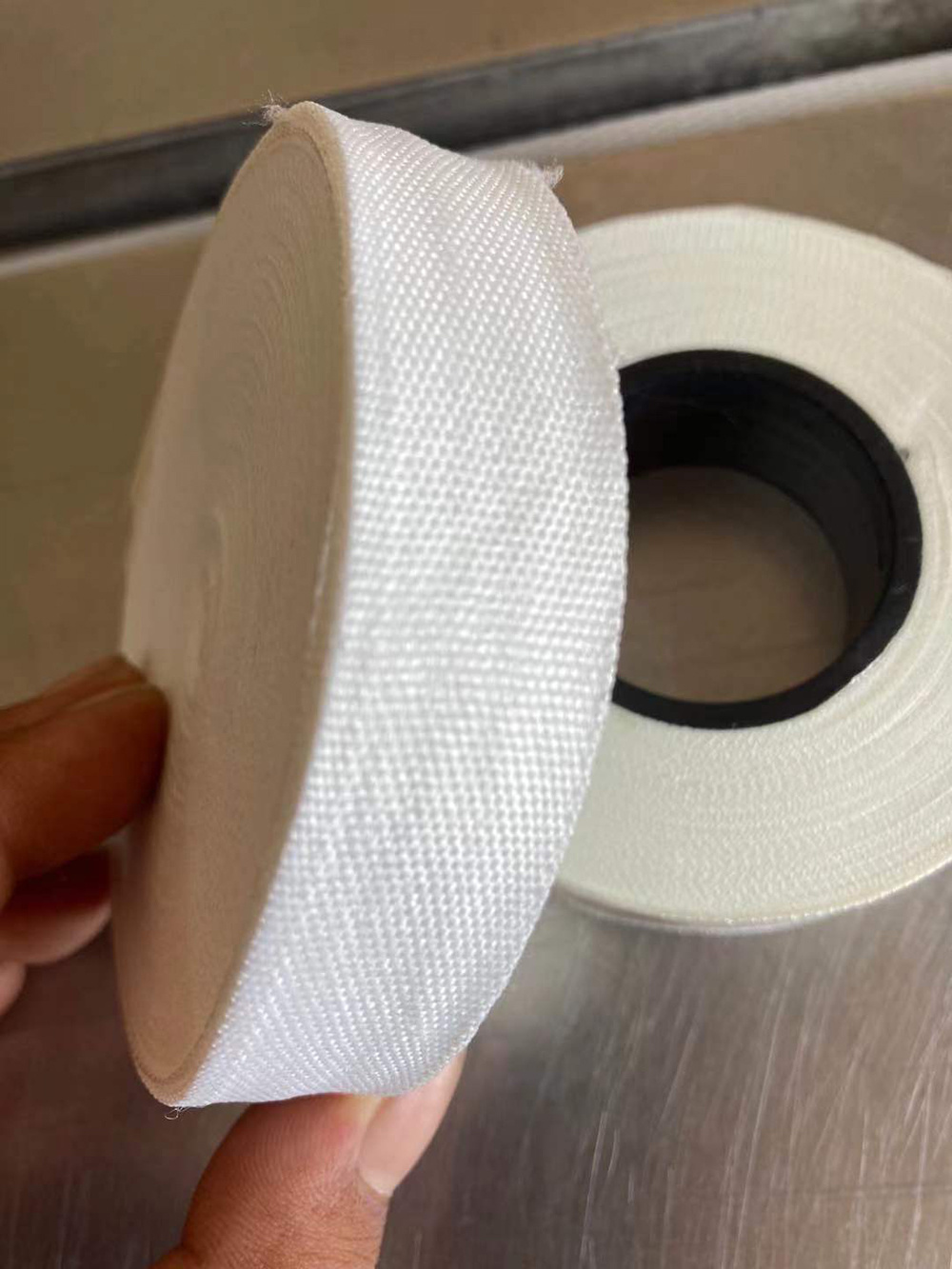
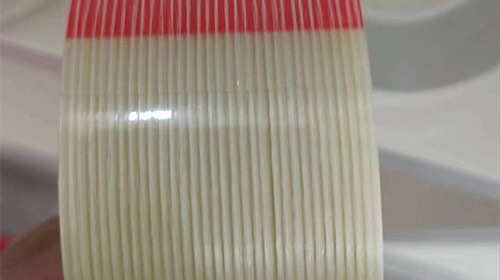
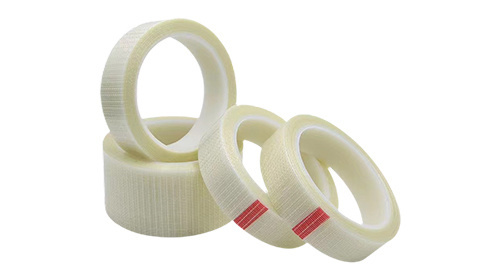
**Mesh fiberglass tape** is a composite material made from woven glass fibers, which provide exceptional strength and durability. This tape is characterized by its lightweight, flexible design, and high resistance to temperature fluctuations and moisture. The mesh structure allows for breathability while maintaining structural integrity, making it an ideal choice for various electrical applications.
3. Properties and Benefits of Mesh Fiberglass Tape
The effectiveness of mesh fiberglass tape in electrical engineering can be attributed to its numerous beneficial properties:
3.1 High Temperature Resistance
**Mesh fiberglass tape** can withstand extreme temperatures without degrading, making it suitable for high-heat environments typical in electrical engineering.
3.2 Excellent Insulating Properties
The tape's non-conductive nature ensures that it effectively isolates electrical components, preventing shorts and enhancing safety.
3.3 Strength and Durability
The woven structure of the tape provides exceptional tensile strength, making it resistant to tearing and wear, even in demanding applications.
3.4 Chemical Resistance
Mesh fiberglass tape is resistant to various chemicals, ensuring longevity and reliability in various settings.
4. Applications in Electrical Engineering
The diverse properties of mesh fiberglass tape allow it to be utilized in multiple ways within electrical engineering:
4.1 Insulation Applications
One of the primary uses of mesh fiberglass tape is for insulation purposes. Its non-conductive nature makes it ideal for enveloping wires and cables, guarding against electrical shock and short circuits. This application is particularly vital in residential and commercial wiring, where safety is paramount.
4.2 Reinforcement in Electrical Systems
Mesh fiberglass tape can also reinforce electrical systems. By wrapping joints and connectors, it can provide additional support and stability, reducing the risk of mechanical failure in high-stress environments. This reinforcement is especially crucial in systems subject to vibrations or movement.
4.3 Cable Management Solutions
Effective cable management is essential for any electrical engineering project. Mesh fiberglass tape offers a neat and efficient way to bundle cables, preventing tangling and improving organization. This not only enhances the appearance of installations but also simplifies maintenance and troubleshooting.
4.4 Fire Resistance and Protection
Another innovative use of mesh fiberglass tape is in fire resistance. Its inherent properties can help protect electrical components from potential fire hazards. By incorporating mesh fiberglass tape into your electrical systems, you can significantly reduce the risk of fire, thereby enhancing safety.
5. Installation Techniques for Mesh Fiberglass Tape
Proper installation is crucial for maximizing the benefits of mesh fiberglass tape. Here are some effective techniques:
5.1 Surface Preparation
Before applying the tape, ensure the surface is clean and free from debris, grease, or moisture. This ensures optimal adhesion and performance.
5.2 Application Process
When applying mesh fiberglass tape, overlap the edges slightly to ensure complete coverage. This is especially important in insulation applications, where any gaps can compromise effectiveness.
5.3 Secure the Edges
After application, secure the edges of the tape with adhesive or additional layers to prevent peeling and ensure longevity.
6. Comparison with Other Insulating Materials
When considering insulation materials, it's essential to evaluate the performance of mesh fiberglass tape against other options:
6.1 PVC Tape
While PVC tape is commonly used for insulation, it lacks the high-temperature resistance of mesh fiberglass tape. Mesh fiberglass tape outperforms PVC in demanding environments, making it a superior choice for many applications.
6.2 Electrical Insulation Wrap
Electrical insulation wraps are often thicker and bulkier than mesh fiberglass tape, which can limit flexibility. The lightweight nature of mesh fiberglass tape allows for easier handling and application.
6.3 Heat Shrink Tubing
Heat shrink tubing is effective for insulation but requires heat application, which isn't always practical. Mesh fiberglass tape can be applied swiftly and easily without additional tools.
7. Future Trends in Mesh Fiberglass Tape Usage
As technology evolves, so do the applications of mesh fiberglass tape. Emerging trends include:
7.1 Smart Electrical Systems
With the rise of smart technology, the integration of mesh fiberglass tape in smart electrical systems will likely increase, ensuring safety and performance in connected environments.
7.2 Sustainable Engineering Solutions
As sustainability becomes a priority in engineering, mesh fiberglass tape's longevity and durability make it an ideal material for eco-friendly designs.
7.3 Enhanced Performance Materials
Future developments in material science may lead to even more advanced versions of mesh fiberglass tape that offer superior properties, further broadening its scope in electrical engineering.
8. FAQs about Mesh Fiberglass Tape
8.1 What is the main purpose of mesh fiberglass tape?
The primary purpose of mesh fiberglass tape is to provide insulation, reinforcement, and protection in various electrical applications.
8.2 Can mesh fiberglass tape be used outdoors?
Yes, mesh fiberglass tape can be used outdoors, as it is resistant to moisture and UV radiation.
8.3 How does mesh fiberglass tape compare to traditional insulating tapes?
Mesh fiberglass tape offers superior temperature resistance, strength, and durability compared to traditional insulating tapes.
8.4 Is mesh fiberglass tape safe for high-voltage applications?
Yes, mesh fiberglass tape is safe for high-voltage applications due to its excellent insulating properties.
8.5 How do I maintain mesh fiberglass tape installations?
Regular inspections and ensuring the tape remains clean and intact will help maintain its effectiveness. Replace any damaged sections promptly.
9. Conclusion
In summary, mesh fiberglass tape represents a significant advancement in electrical engineering, offering a multitude of innovative applications that enhance safety, efficiency, and performance. Its unique properties, such as high-temperature resistance, durability, and excellent insulation capabilities, position it as a preferred material in various electrical applications. As we move towards a more technologically advanced future, the role of mesh fiberglass tape will undoubtedly expand, paving the way for safer and more efficient electrical engineering practices. Embracing this versatile material is not just an option; it’s a necessity for those seeking to stay at the forefront of innovation in the electrical field.


Phone/WhatsApp:
Email:
About Us
We firmly believe that by working together with global partners, we can jointly create a bright future for the electrical insulation materials industry.


Leave Message
If you have any queries about us or our product(s), feel free to drop us a message.