
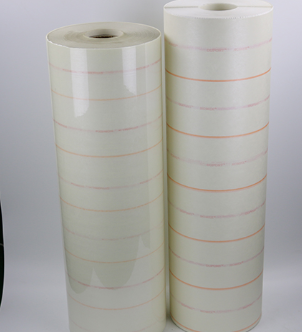
Fiberglass tape factory

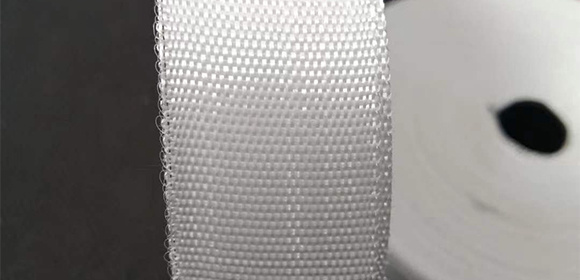
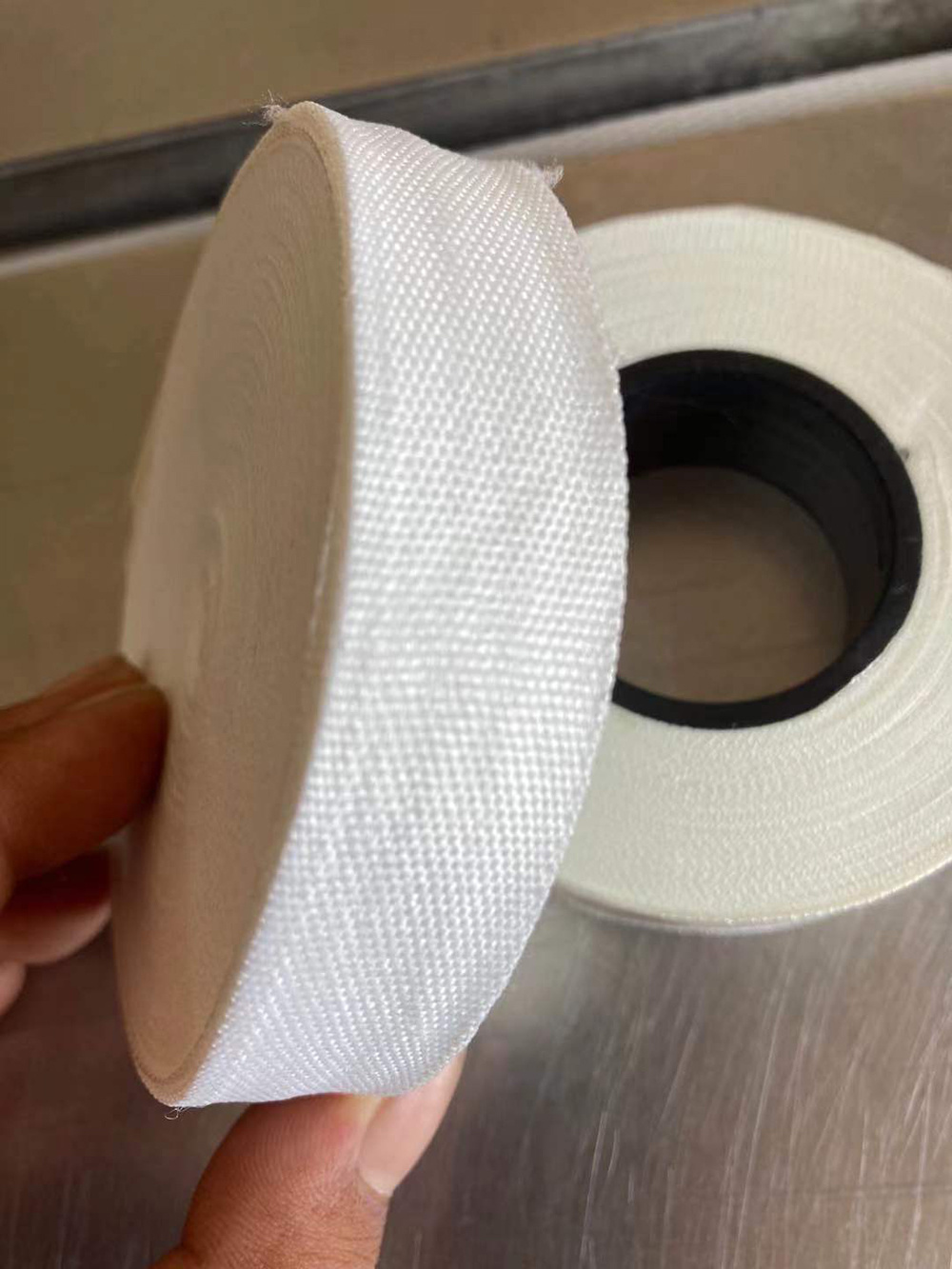
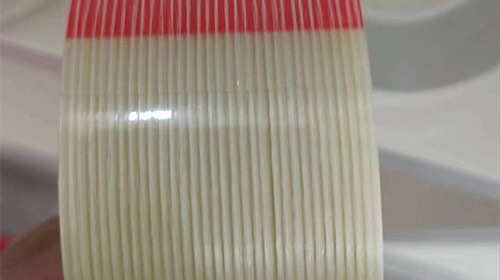
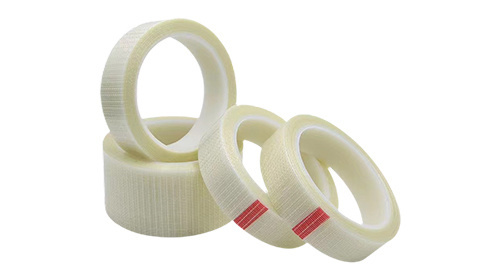
Fiberglass tape, a versatile composite material, has become an indispensable component across numerous industries due to its unique set of physical and chemical properties. This tape is woven from fine fibers of glass, resulting in a substrate that offers exceptional strength and dimensional stability. Its primary advantage lies in its impressive tensile strength, which surpasses that of many conventional materials like paper or plastic tapes. Furthermore, fiberglass tape is inherently non-corrosive and resistant to rust, making it suitable for applications where metal reinforcements would degrade. Its resilience under stress, without significant stretching or tearing, ensures long-term reliability in demanding environments. This foundational strength makes the first key characteristic of fiberglass tape a cornerstone of its utility.
Beyond mere strength, fiberglass tape exhibits remarkable resistance to extreme temperatures and fire. It does not burn easily and can withstand continuous exposure to high heat without losing its structural integrity, a critical feature for safety applications. This thermal stability is paired with excellent chemical resistance. The material is largely unaffected by most solvents, oils, and alkalis, which allows fiberglass tape to perform reliably in harsh industrial settings, such as chemical plants or coating operations, where other materials might deteriorate. This combination of fire retardancy and chemical inertness significantly expands its potential use cases.
One of the most prominent applications of this material is in construction and renovation, particularly for reinforcing joints and seams in drywall. When embedded in joint compound, fiberglass tape creates a durable, crack-resistant bridge that is less prone to issues like bubbling compared to paper alternatives. Its moisture resistance also prevents mold growth, contributing to healthier indoor environments. The ease of use and consistent performance of fiberglass tape in this context have made it a preferred choice for both professional contractors and DIY enthusiasts seeking a reliable finish.
In industrial maintenance and repair, fiberglass tape serves as a crucial tool for bundling, insulating, and reinforcing. It is often used in combination with resins for creating strong, lightweight composite patches on pipes, tanks, and other equipment. Its electrical insulation properties are also valuable in the electrical sector for wrapping cables and components. The tape's adaptability to various contours and surfaces, while maintaining its strength, allows for quick and effective repairs that extend the service life of critical assets, demonstrating its economic and functional value.
The production and use of fiberglass tape also align with certain sustainability goals. As a durable and long-lasting material, it reduces the need for frequent replacements. Its resistance to environmental factors minimizes waste from degradation. Additionally, the inert nature of the glass fibers means it does not emit harmful volatiles in most conditions. While challenges in recycling composite materials persist, the longevity and efficiency provided by fiberglass tape contribute to resource conservation over the lifecycle of many projects.
In conclusion, the multifaceted advantages of fiberglass tape, including its superior tensile strength, thermal and chemical resistance, and versatility, secure its vital role across diverse sectors from construction to heavy industry. Its reliability in creating durable reinforcements and protective barriers underscores its importance as a modern engineering material. As material science advances, the fundamental properties and evolving applications of fiberglass tape are likely to continue supporting innovation and durability in countless practical solutions.


Phone/WhatsApp:
Email:
About Us
We firmly believe that by working together with global partners, we can jointly create a bright future for the electrical insulation materials industry.


Leave Message
If you have any queries about us or our product(s), feel free to drop us a message.