
The Role of DuPont Nomex 410 Insulating Paper in High-Temperature Applications
The Role of DuPont Nomex 410 Insulating Paper in High-Temperature Applications
Introduction to DuPont Nomex 410 Insulating Paper
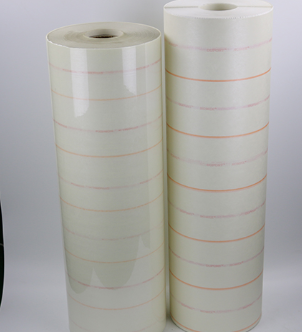
DuPont Nomex 410 insulating paper is a type of aramid paper renowned for its exceptional thermal stability and electrical insulation properties. As industries increasingly demand materials that can perform under extreme conditions, Nomex 410 stands out as a reliable solution for high-temperature applications. This article delves into the characteristics, benefits, and applications of Nomex 410, particularly in electrical insulation and other high-temperature environments.
Understanding High-Temperature Insulation Needs
In various industries, especially in electrical and electronic applications, high-temperature environments are commonplace. Components such as motors, transformers, and generators often experience elevated temperatures due to operational demands. Effective insulation is crucial to ensure reliability and longevity in these applications. Hence, selecting the right insulating material can significantly impact performance, safety, and maintenance costs.
Why Choose DuPont Nomex 410?
Nomex 410 is engineered to meet the rigorous demands of high-temperature applications. Its unique composition provides a range of benefits that make it a top choice for electrical insulation.
Outstanding Thermal Stability
Nomex 410 can withstand temperatures up to 220°C (428°F) without compromising its structural integrity. This characteristic is essential for applications where heat generation is inevitable, ensuring that the insulation remains effective over time.
Excellent Electrical Insulation
With a high dielectric strength, Nomex 410 effectively prevents electrical breakdown. This property is crucial in maintaining the safety and efficiency of electrical equipment.
Resistance to Chemical Degradation
Nomex 410 exhibits excellent resistance to various chemicals, enhancing its durability in demanding environments. This feature ensures that the material can withstand exposure to oils, solvents, and other substances commonly found in industrial settings.
Mechanical Strength and Flexibility
The paper’s mechanical strength allows it to maintain its shape and integrity even under mechanical stress. Additionally, its flexibility makes it easy to handle and install in various applications.
Applications of DuPont Nomex 410 Insulating Paper
Nomex 410 insulating paper is versatile and finds application in multiple industries, particularly where high temperatures and electrical insulation are critical.
Electrical Equipment Insulation
One of the most common applications of Nomex 410 is in the insulation of electrical devices. Its high thermal and electrical properties make it ideal for transformers, motors, and generators, where it is used in insulation systems to enhance performance and safety.
Transformers
In transformer applications, Nomex 410 helps to insulate windings and cores, providing effective thermal management and preventing electrical failures. Its ability to withstand high temperatures ensures that transformers operate efficiently, even in extreme conditions.
Electric Motors
Nomex 410 is commonly used for insulating motor windings, ensuring effective heat dissipation and electrical insulation. This application is crucial for maintaining motor efficiency and prolonging lifespan.
High-Temperature Applications in Aerospace and Automotive Industries
In the aerospace and automotive sectors, where components are subjected to extreme temperatures and stresses, Nomex 410 plays a vital role.
Aerospace Applications
Nomex 410 is utilized in aerospace components, including insulation for wiring and electronic components. Its lightweight nature combined with high-temperature resistance makes it an ideal choice for enhancing the safety and reliability of aircraft systems.
Automotive Applications
In automotive applications, Nomex 410 is employed in insulation for various electronic systems, including those in electric vehicles. Its ability to withstand heat ensures that automotive electronics operate efficiently, crucial for performance and safety.
The Advantages of Using DuPont Nomex 410
Choosing Nomex 410 for high-temperature applications brings several advantages that can enhance overall performance and reliability.
Cost-Effective Solution
While the initial investment in high-quality insulating materials may be higher, the durability and performance of Nomex 410 can lead to significant savings in maintenance and replacement costs over time.
Long-Term Reliability
The longevity of Nomex 410 translates to fewer replacements, ensuring continuous operation without the risk of failure due to insulation breakdown.
Environmental Stability
Nomex 410’s resistance to environmental factors, such as humidity and chemicals, ensures that its performance is not compromised over time, making it suitable for a variety of industrial environments.
Comparative Analysis: Nomex 410 vs. Other Insulating Materials
When considering insulating materials for high-temperature applications, it is essential to compare Nomex 410 with alternatives. This section highlights the distinctive advantages of Nomex 410.
Nomex 410 vs. Polyester Films
While polyester films are commonly used for electrical insulation, they typically cannot match the thermal stability and dielectric strength of Nomex 410. In applications where high temperatures are a consistent factor, Nomex 410 emerges as the superior choice.
Nomex 410 vs. Glass Fiber Insulation
Glass fiber insulation is another option, but it often lacks the flexibility and ease of handling that Nomex 410 offers. Furthermore, Nomex 410 provides better resistance to chemical degradation.
Nomex 410 vs. Silicone Rubber Insulation
Silicone rubber provides flexibility and heat resistance but may not match the electrical insulation properties of Nomex 410. For applications prioritizing electrical safety alongside heat resistance, Nomex 410 is often the preferred choice.
Installation and Handling of Nomex 410 Insulating Paper
Proper installation techniques are essential to maximize the performance of Nomex 410. Understanding how to handle and install this material can significantly impact its effectiveness.
Preparation of Surface
Prior to installation, ensure that the surfaces where Nomex 410 will be applied are clean and free from contaminants. This step enhances adhesion and insulation performance.
Cutting and Shaping the Material
Nomex 410 can be easily cut and shaped to fit various applications. Utilizing appropriate cutting tools will prevent damage to the material and ensure precise installation.
Adhesive Selection for Bonding
When bonding Nomex 410 to other surfaces, select adhesives that are compatible with high-temperature applications. This choice will ensure a durable bond that can withstand heat and environmental stress.
FAQs about DuPont Nomex 410 Insulating Paper
1. What is the maximum operating temperature of Nomex 410?
Nomex 410 can operate effectively at temperatures up to 220°C (428°F).
2. Is Nomex 410 environmentally friendly?
Yes, Nomex 410 is produced with minimal environmental impact and is recyclable.
3. Can Nomex 410 be used in wet conditions?
While Nomex 410 has good moisture resistance, it is advisable to ensure that it is used in applications where humidity and moisture exposure are controlled.
4. How does Nomex 410 compare to traditional paper insulation?
Nomex 410 offers superior thermal stability, electrical insulation, and chemical resistance compared to traditional paper insulation.
5. What industries benefit the most from using Nomex 410?
Industries such as electrical, aerospace, automotive, and manufacturing greatly benefit from the use of Nomex 410 due to its high-performance characteristics.

Conclusion
DuPont Nomex 410 insulating paper emerges as a formidable choice for high-temperature applications, offering exceptional thermal stability, electrical insulation, and mechanical strength. Its unique properties make it invaluable in various sectors, including electrical, aerospace, and automotive industries. By choosing Nomex 410, industries can enhance the reliability and longevity of their equipment, ultimately leading to significant cost savings and improved performance. As technology continues to advance, the role of high-quality insulating materials like Nomex 410 will remain critical in meeting the demands of modern applications.


Phone/WhatsApp:
Email:
About Us
We firmly believe that by working together with global partners, we can jointly create a bright future for the electrical insulation materials industry.


Leave Message
If you have any queries about us or our product(s), feel free to drop us a message.